
Discover Olszewnica Nowa
Accommodation in Olszewnica Nowa
Religious structures and figures give Olszewnica Nowa a specific cultural focus for planning your trip. The details described range from a figure of the Virgin Mary on a fieldstone plinth to two chapels with different designs. In addition, a planning area that includes several localities offers a regional perspective on meadows, pastures, and waterways.
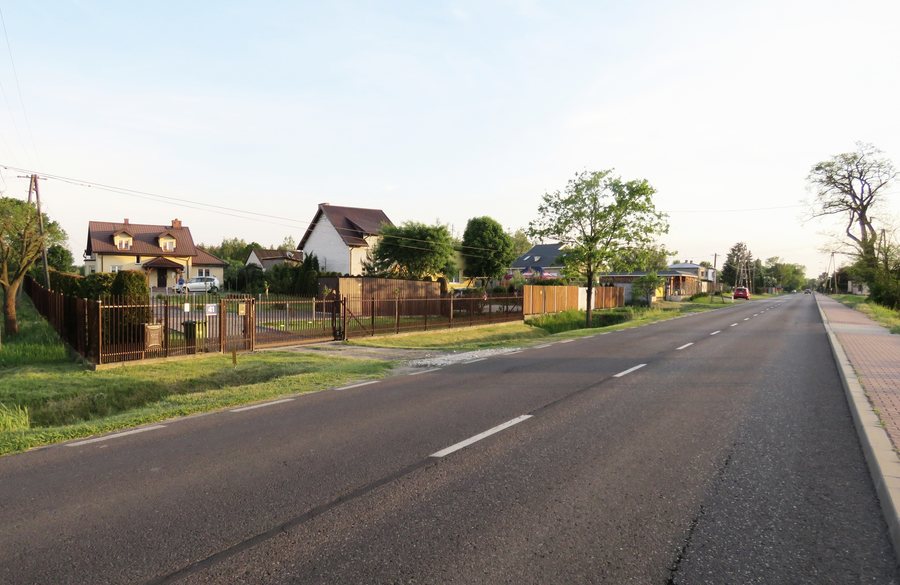
Olszewnica Nowa at a glance
- At 32 Nowodworska Street, a figure of the Immaculate Virgin Mary stands on a fieldstone plinth.
- A brick roadside chapel at the junction of Spacerowa and Nowodworska Streets has a gabled roof and an iron cross. Inside are a figure of Our Lady of the Rosary and an image of the Sacred Heart of Jesus.
- A brick niche chapel from the 19th century stands on Leśna Street. Its glazed niche contains a figure of the Immaculate Virgin Mary; the hipped roof bears a cross.
- The local planning area includes Sikory, Olszewnica Nowa, Kałuszyn, and Skrzeszew. It lies in the former riverbed of the Narew and is predominantly characterized by meadows and pastures crossed by drainage ditches and canals.
What types of religious structures can you distinguish?
The figure of the Virgin Mary at 32 Nowodworska Street is distinguished by its fieldstone plinth. By contrast, the features that stand out at the roadside chapel are its roof, cross, and religious depictions inside: a gabled roof with an iron cross outside, and Our Lady of the Rosary and an image of the Sacred Heart of Jesus inside.
The chapel on Leśna Street has a different architectural character. It is described as a niche chapel, with the figure behind glass. Its roof also differs from that of the roadside chapel: it is hipped and topped with a cross. Its dating to the 19th century provides a separate historical reference point.
For cultural planning, the three descriptions can be distinguished by their specific features: the plinth and figure, the roadside chapel and its interior images, and the niche, roof design, and date. These details make the different religious depictions and architectural forms tangible without presenting them as a single attraction.
What does the planning area tell you about the wider surroundings?
The references to meadows and pastures apply to the area covered by the local draft development plan, not just to Olszewnica Nowa. It extends across four named localities and is crossed by drainage ditches and canals. Its location in the former riverbed of the Narew adds a historical reference to this landscape description.
A municipal report dated April 22, 2022, describes the draft plan. It states that the plan aims to protect ecologically valuable areas in Sikory, Olszewnica Nowa, Kałuszyn, and Skrzeszew. The combined area of these locations is given as 466 hectares. This is a planning objective; it does not mean that protection has already been implemented.
Olszewnica Nowa therefore offers two different perspectives: specific religious structures and a landscape described in the context of a larger planning area. If you want to give your stay a cultural focus, you can distinguish the structures by their visible differences; the landscape details provide a separate regional context.
Discover more destinations: Jadwisin, Nieporęt, Kąty Węgierskie, Serock, Rajszew, Jabłonna, Jachranka, Karolino.
FAQ
Where is the figure of the Virgin Mary on the fieldstone plinth?
It is located at 32 Nowodworska Street in Olszewnica Nowa.
What depictions are inside the roadside chapel?
Inside are a figure of Our Lady of the Rosary and an image of the Sacred Heart of Jesus.
Which localities does the planning area include?
It extends across Sikory, Olszewnica Nowa, Kałuszyn, and Skrzeszew. The draft plan described in the report dated April 22, 2022, stated that protecting ecologically valuable areas was an objective.
For the higher-level travel overview: Legionowski.

