
Lipsko: Cultural History and Regional Routes
Accommodation in Lipsko
Lipsko brings together regional culture and a clearly defined historical focus: recurring events, the Galeria Regionalna and the architectural history of the Church of the Holy Trinity shape the local offering. The wider Lipski destination also includes routes and landscapes in Lipski County.
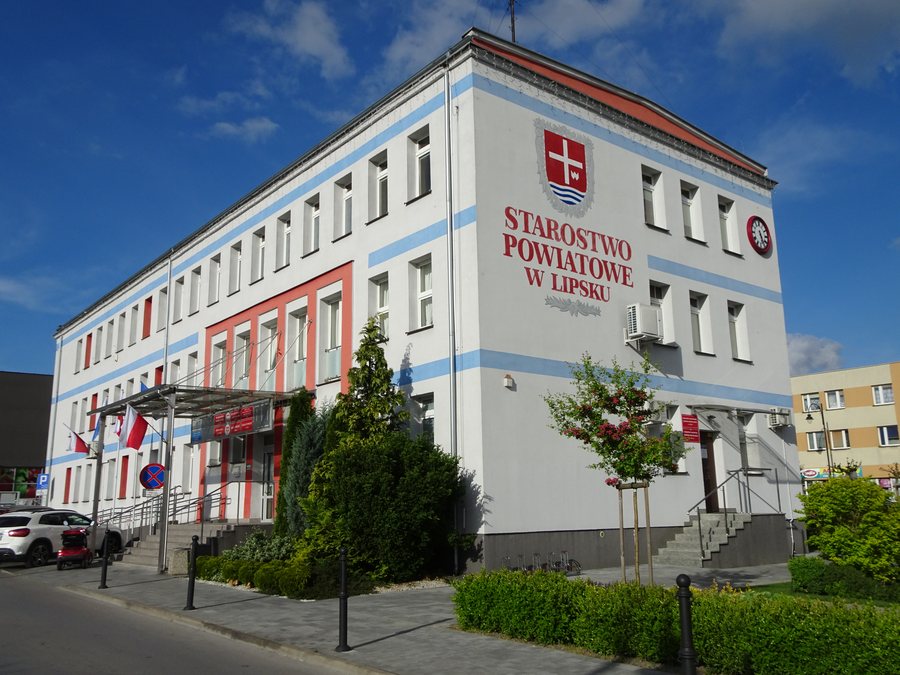
Quick facts about Lipsko
- Recurring events organised by the Lipskie Centrum Kultury include Arts Evenings featuring classical music and the Powiśle Folklore and Amateur Art Festival.
- The Galeria Regionalna collects material artefacts connected with the past of Lipsko, the municipality and the region.
- The Church of the Holy Trinity was built in 1614 on the site of an earlier wooden Calvinist meeting house, consecrated in 1686 and remodelled in 1844 to a design by Henryk Marconi.
- In the wider Lipski destination, a signposted green hiking trail connects Lipsko and Solec nad Wisłą over 11 km.
What cultural experiences shape Lipsko?
The Lipskie Centrum Kultury organises Arts Evenings featuring classical music and the Powiśle Folklore and Amateur Art Festival as recurring events. The two formats have different focuses: one centres on classical music, the other on folklore and amateur art. If you would like to plan your trip around an event, check the relevant dates in advance.
The Galeria Regionalna focuses on material artefacts and their connection with the past of the town and municipality of Lipsko, as well as the region. Its offerings include permanent and temporary exhibitions, museum classes, lectures and author talks. The programme therefore ranges from exhibitions to educational and discussion events. If you plan to visit the gallery, check current visiting arrangements in advance.
What does the architectural history of the Church of the Holy Trinity tell us?
The history of the Church of the Holy Trinity can be traced through three specific dates: in 1614 it was built on the site of an earlier wooden Calvinist meeting house, it was consecrated in 1686, and in 1844 it was remodelled to a design by Henryk Marconi. This sequence distinguishes construction, consecration and later remodelling rather than combining them into a single building event.
The church is listed in the register of monuments of the Masovian Voivodeship. The former Jewish prayer house and the school in Lipsko are also listed. These entries point to different historical architectural contexts in the town; for the former prayer house and the school, their historical status is explicitly part of their classification.
Which routes and landscapes shape the Lipski destination?
In the wider Lipski destination, a signposted green hiking trail runs along the Krępianka through fields and woodland. At 11 km, it connects Lipsko with Solec nad Wisłą. The red Rzeczniów–Sienno hiking trail covers a different distance: the 39 km route passes through Kochanówka, Wólka Modrzejowa, Grabowiec, Podkońce, Płósy and Rzechów before returning to Rzeczniów. The two distances provide a concrete comparison for planning your route, without specifying a walking time.
Lipski County also offers a regional reference point for cycling. Cycling routes run through the county, with a total length of 415.6 km; 208.8 km of these lie within the county's administrative boundaries. For a specific ride, it is a good idea to check the current signage, as subsequent changes may affect the designated route.
In the wider Lipski destination, Lipsko is the administrative centre of Lipski County. The town lies in the Krępianka Valley at the intersection of National Road 79 between Warsaw and Sandomierz and Voivodeship Road 747 between Iłża and Solec nad Wisłą. The county extends across the Radom Hills, the Opatów Upland and the Kozienice Basin; the Wisła Valley separates it from the Lublin Upland by a steep escarpment.
The Wisła Valley in Lipski County lies within the municipalities of Chotcza and Solec nad Wisłą and has a wide riverbed with numerous islands and sandbanks. More than 320 bird species have been recorded throughout the valley. The region's natural heritage also includes the Solec nad Wisłą Protected Landscape Area, established in 2002, and the reserve near Sadkowice, close to Solec nad Wisłą, which protects steppe vegetation.
Discover more destinations: Kochanówka, Drezno, Sadkowice, Gniazdków, Wodąca, Gmina Ciepielów and Sienno.
FAQ
What recurring events are held in Lipsko?
The Lipskie Centrum Kultury organises Arts Evenings featuring classical music and the Powiśle Folklore and Amateur Art Festival. Check the dates if you would like to plan around one of these events.
What is known about the Church of the Holy Trinity?
It was built in 1614 on the site of an earlier wooden Calvinist meeting house, consecrated in 1686 and remodelled in 1844 to a design by Henryk Marconi. It is listed in the register of monuments of the Masovian Voivodeship.
Which marked hiking trails are described in the Lipski destination?
The green trail connects Lipsko and Solec nad Wisłą over 11 km. The red Rzeczniów–Sienno trail is a 39 km loop passing through several places, including Kochanówka and Rzechów.
View the wider travel guide: Lipski.

