
Discover Ostrów Mazowiecka
Accommodation in Ostrów Mazowiecka
Ostrów Mazowiecka combines Neo-Gothic and Neo-Baroque architecture with museums, an art venue and memorial sites. If you are looking for a culturally rich destination, you will find a variety of points of interest here—from the Church of the Assumption of the Blessed Virgin Mary to the museum in Maria Pilecka’s preserved childhood home.
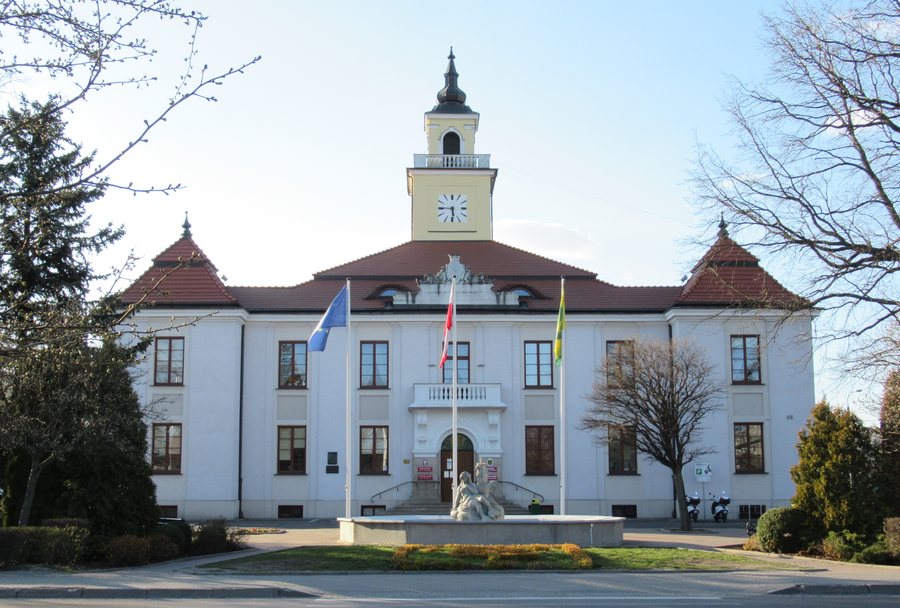 File:Ostrow-Mazowiecka-19HLZPVL-town-hall.jpg
Photo: Grzegorz W. Tężycki via Wikimedia Commons, CC BY-SA 4.0
File:Ostrow-Mazowiecka-19HLZPVL-town-hall.jpg
Photo: Grzegorz W. Tężycki via Wikimedia Commons, CC BY-SA 4.0
Quick facts about Ostrów Mazowiecka
- The Neo-Gothic Church of the Assumption of the Blessed Virgin Mary was built between 1885 and 1894.
- The Neo-Baroque town hall was built in 1927, destroyed in 1944 and then carefully rebuilt.
- The park around the town pond was laid out in 1874–1875.
- Cultural venues include the Muzeum Kresów i Ziemi Ostrowskiej, the Muzeum Dom Rodziny Pileckich and the listed Jatki building.
What architectural history can you explore?
The church and town hall represent different architectural styles and periods. The Church of the Assumption of the Blessed Virgin Mary is Neo-Gothic and was built between 1885 and 1894. The town hall, by contrast, is an example of Neo-Baroque architecture. It was built in 1927, destroyed in 1944 and then carefully rebuilt.
Jatki adds a different use to this architectural history. The listed Neo-Gothic building dates from 1903 and formerly served as a meat market hall. Today it is devoted entirely to art. If you would like to combine architecture and art on your trip, you can explore different aspects of the city’s history without reducing it to a single period or type of building.
What museums and memorial sites are there?
At the Muzeum Kresów i Ziemi Ostrowskiej, you can see memorabilia from Poland’s eastern borderlands, as well as military artefacts. The museum also displays numerous items commemorating the Infantry Cadet School, which operated in nearby Komorowo. This collection brings together regional memorabilia and the history of a specific military educational institution.
The Muzeum Dom Rodziny Pileckich is housed in the preserved original family home of Maria Pilecka, née Ostrowska. She was the wife of Witold Pilecki. This museum therefore centres on a family home, while the Muzeum Kresów i Ziemi Ostrowskiej brings together different collections relating to the eastern borderlands and the Infantry Cadet School.
The Monument to the Cursed Soldiers of the Ostrów Region offers another form of remembrance. It commemorates soldiers of the independence underground and civilians from the Ostrów Region who fell or were murdered between 1944 and 1953 while fighting communist oppression. These dates refer to the people and events commemorated by the monument.
What does the park by the town pond add to your visit?
The park around the town pond was laid out in 1874–1875. It complements the architectural and museum themes with a landscaped outdoor space. As you decide what interests you most on your trip, this offers a different focus from the church, town hall or collections.
To get a sense of Ostrów Mazowiecka, you can explore several themes side by side: religious architecture, the history of the town hall, art at Jatki, museum collections and remembrance. You can also consider Stare Komorowo, Nagoszewo, Zaręby Kościelne and Brok as additional destinations when planning your trip.
FAQ
What does the Muzeum Kresów i Ziemi Ostrowskiej display?
It displays memorabilia from Poland’s eastern borderlands, military artefacts and numerous items commemorating the Infantry Cadet School in Komorowo.
Where is the Muzeum Dom Rodziny Pileckich located?
It is near the S8 expressway and approximately halfway between Warsaw and Białystok. The museum is housed in the preserved original family home of Maria Pilecka.
What does the Monument to the Cursed Soldiers of the Ostrów Region commemorate?
It commemorates soldiers of the independence underground and civilians from the Ostrów Region who fell or were murdered between 1944 and 1953 while fighting communist oppression.
What was Jatki used for in the past?
The Neo-Gothic building, erected in 1903, formerly served as a meat market hall and is now devoted entirely to art.
For the main travel overview: Ostrów.

