
Dłużniewo: Manor House History and Landscape
Accommodation in Dłużniewo
A Neo-Renaissance manor house and the Nadwkrzański Protected Landscape Area, which runs through Dłużniewo, give the place two distinct points of cultural and landscape interest.
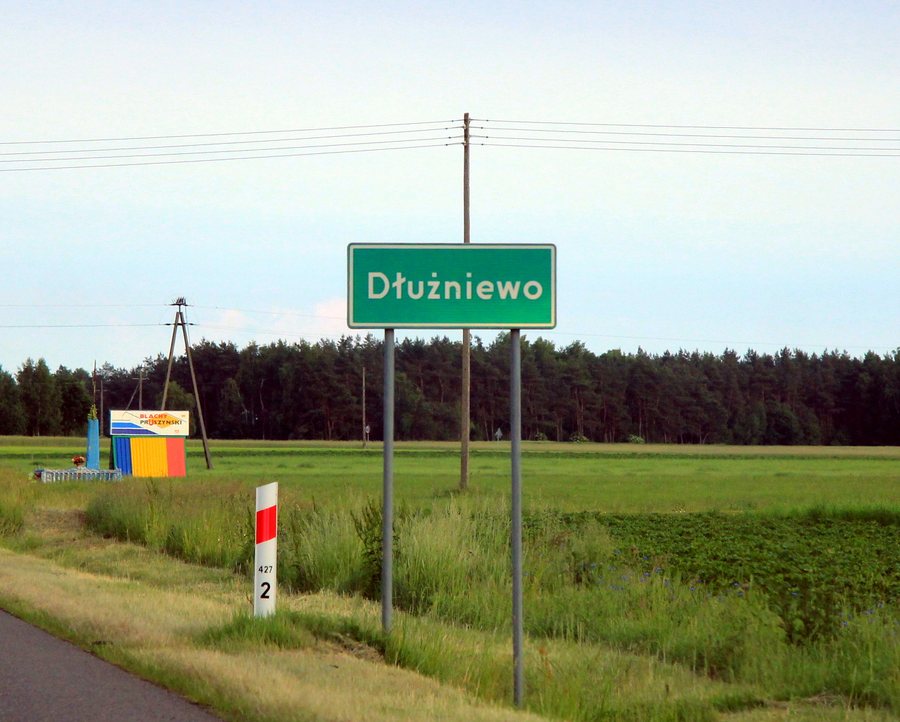
Dłużniewo at a glance
- The manor house was built in the Neo-Renaissance style, constructed of brick and plastered; it has a habitable attic.
- It was built for the Radzymiński family at the end of the 19th century.
- It later belonged to the Kocięcki family; in the post-war period, it was devastated.
- The manor complex is listed in the register of monuments.
- The Nadwkrzański Protected Landscape Area runs through Dłużniewo.
- Gospoda na Mazowszu, a restaurant and a hotel are associated with the manor house.
What characterizes the manor house?
Neo-Renaissance describes the architectural style, while brick and plaster refer to the material and finish. These descriptions complement each other: the masonry is made of brick and is plastered. Thus, style and construction can be understood as different features of the same manor house.
The habitable attic adds another aspect to the description of the building. Together, these provide three specific points of reference: Neo-Renaissance as the style, brick masonry with plaster, and an attic that is habitable. For a cultural travel decision, this offers more than just a style name: the building details can be considered separately in terms of form, material and roof space.
How can its history be understood?
The manor house was built for the Radzymiński family at the end of the 19th century. It later belonged to the Kocięcki family; in the post-war period, it was devastated. These details mark distinct periods in its history: its construction, a later association with a family owner, and a turning point in the post-war period.
The manor house and the manor complex are distinct points of reference. The architectural style, construction date and family history relate to the manor house. The listing in the register of monuments applies to the manor complex. This distinction helps keep the architectural history and monument status precise.
How is Dłużniewo classified in landscape terms?
The Nadwkrzański Protected Landscape Area runs through Dłużniewo. This provides a distinct landscape classification alongside the history of the manor house. If you are considering the place from a cultural or landscape perspective, you can look at these two aspects separately: the manor house represents the history of the building and estate, while the protected area represents the place’s landscape connection.
What should you keep in mind about accommodation and visiting?
Gospoda na Mazowszu, a restaurant and a hotel are associated with the manor house. This provides a specific accommodation and dining option to consider when planning your trip. If you would like to stay or eat there, check access and current availability in advance before making plans around it.
Discover more destinations: Popielzyn-Zawady, Drożdżyn, Galominek Nowy, Wycinki, Władysławowo, Kamienica, Sobieski, Czerwińsk nad Wisłą.
FAQ
What style was the manor house built in?
The manor house was built in the Neo-Renaissance style. It is constructed of brick and plastered, and has a habitable attic.
What is listed in the register of monuments?
The listing applies to the manor complex in Dłużniewo.
What accommodation and dining options are associated with the manor house?
Gospoda na Mazowszu, a restaurant and a hotel are associated with the manor house. Check access and availability before planning a visit or overnight stay.
Go to the main travel overview: Płoński.

