
Potworów: Architectural History and the Paprika Nickname
Accommodation in Potworów
Potworów combines a distinctive paprika nickname with architectural landmarks from several centuries. The Church of St. Dorothy, a former inn, a manor park, and a brick cross give the town a range of historical and architectural points of interest.
Potworów at a glance
- Construction of the Church of St. Dorothy began in 1770.
- The church is oriented east, has a Neoclassical character, is single-nave, and is built of stone and brick.
- The manor park on Lipowa dates from the 18th century.
- The former inn at 1 Radomska dates from the first half of the 19th century and is listed in the voivodeship register of historic monuments.
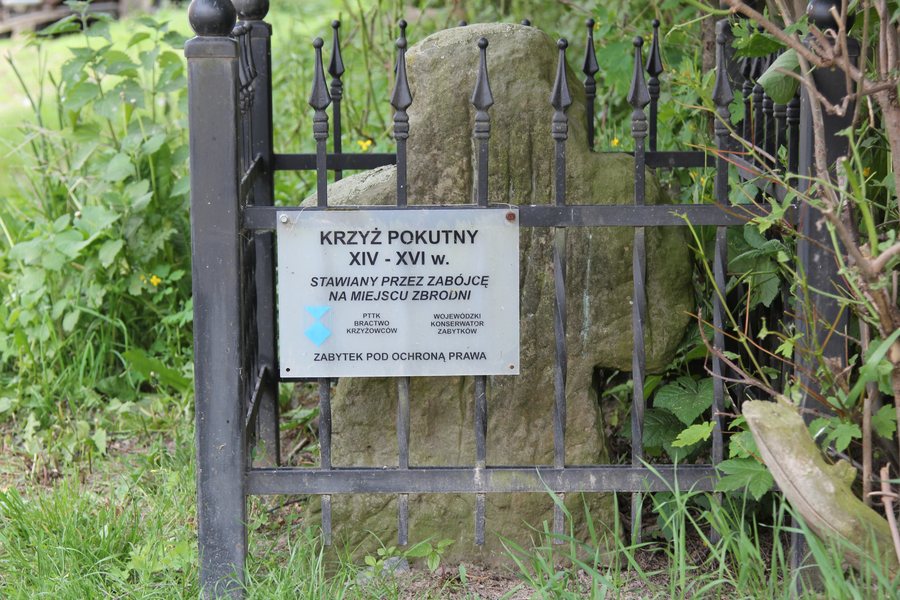
- A brick cross in the market square dates from 1887; Potworów bears the nickname “Capital of Polish Paprika.”
Which historic buildings define Potworów?
The Church of St. Dorothy offers a concrete starting point for exploring the town’s architectural history: its construction began in 1770, funded by Stanisław Potkański, Abbot of Sulejów. The date marks the start of construction. Together with the description of its design, it serves as a historical and architectural reference point for Potworów.
The manor park on Lipowa also dates from the 18th century. The former inn at 1 Radomska continues the timeline into the first half of the 19th century. Its listing in the voivodeship register of historic monuments adds heritage status to its date. The brick cross in the market square is associated with the year 1887. The dates mentioned therefore span the 18th century to the second half of the 19th century.
How can the Church of St. Dorothy be described architecturally?
The church is described as having a Neoclassical character and is built of stone and brick. “Single-nave” refers to the layout of the church interior, with one main nave; “oriented east” describes its alignment toward the east. The terms therefore relate to different aspects: the layout of the space and its orientation. Together with the materials specified, they provide several concrete points of reference for describing the church’s architecture without reducing it to a single style label.
The start of the church’s construction can also be considered separately: the year 1770 places the project in time, while the details of its orientation, layout, and materials describe its architectural features. Those interested in architectural history can distinguish between the question of when it was built and how it was designed. The funding by Stanisław Potkański adds a named historical connection to the start of construction.
What role does paprika play in Potworów’s identity?
Potworów bears the nickname “Capital of Polish Paprika.” This gives the town a culinary point of interest alongside its architectural landmarks. For travel planning, these can be viewed as distinct interests: the church and historic monuments represent architectural history, while the nickname points to the local identity associated with paprika.
Potworów can therefore be approached from two different perspectives: historic buildings and a distinctive culinary association. The specific dates help place the architectural landmarks in chronological order, while the architectural terms make the description of the church easier to understand. Which of these themes matters more when planning your trip depends on your interests.
Discover more destinations: Zawady, Przysucha, Wieniawa, Krzesławice, Ossa.
FAQ
What does “oriented east” mean for the Church of St. Dorothy?
The term describes its alignment toward the east. It refers to the orientation, not the single-nave layout.
Which of Potworów’s architectural landmarks date back to the 18th century?
The manor park on Lipowa dates from the 18th century; construction of the Church of St. Dorothy began in 1770.
What is Potworów’s culinary association?
The town bears the nickname “Capital of Polish Paprika.”
Go to the main travel overview: Przysucha.

