
Discover Radom
Accommodation in Radom
Radom combines a sprawling open-air museum with medieval traces, cycling routes and regional specialties. These varied themes can help you get a sense of the destination and decide what you would like to focus on during your trip.
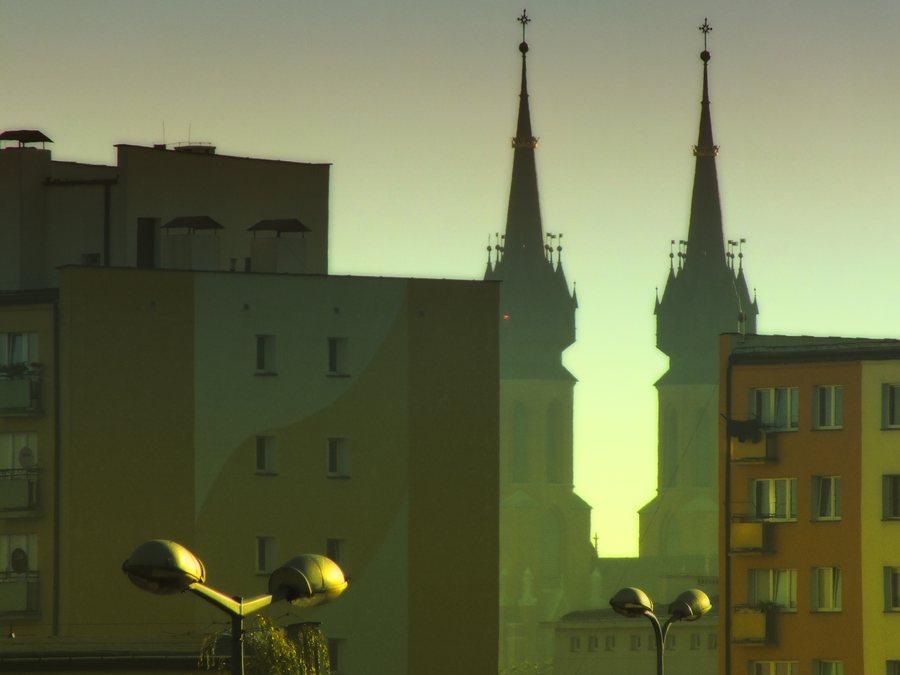 File:Radom ulica Sienkiewicza Henryka 16 Bazylika katedralna Opieki NMP 2.jpg
Photo: Wojciech Domagała via Wikimedia Commons, CC BY-SA 3.0 pl
Radom at a glance
- Muzeum Wsi Radomskiej covers 32 hectares and displays more than 80 historic examples of folk architecture.
- Radom’s medieval main market square was laid out in the 14th century under King Casimir the Great.
- Radom has nearly 90 kilometres of cycling routes; you can explore the boulevards along the Mleczna by bike.
- Recurring open-air festivals at Muzeum Wsi Radomskiej include Święto Chleba and Festiwal Kartofla, among others.
- Radomianka is a pastry characteristic of Radom.
What can you see at Muzeum Wsi Radomskiej?
Muzeum Wsi Radomskiej brings the history of rural architecture and village life to life. The grounds contain five farmsteads and two manor houses, as well as a church, a bell tower, windmills, smithies and an oil mill. Together with more than 80 examples of folk architecture, the museum offers an insight into different forms of rural building.
The interiors and surroundings of the historic buildings change with religious festivals, fieldwork and the seasons. In this way, the museum links its buildings and exhibitions to the changing seasons. The size of the grounds is also a useful point of reference when planning your trip: the museum covers 32 hectares, and a visit offers more than just a look at a single type of historic building.
What historic traces can you find in Radom?
The main market square offers a glimpse into the city’s medieval history: it was laid out in the 14th century under King Casimir the Great. You can see a surviving section of the city fortifications on Wałowa Street. There, behind the Jacek Malczewski Museum, is the largest surviving stretch of the medieval city wall.
Another historical theme is explored by the “Radomski Czerwiec ’76” route. It leads to places associated with the Radom workers’ protests of June 1976. Radom thus brings together different historical perspectives: the development of the medieval city and the remembrance of an event from the 20th century. If you are interested in local history, you can take these themes into account when planning your time in the city.
What cycling opportunities are there?
Radom has nearly 90 kilometres of cycling routes. One specific option is the boulevards along the Mleczna: they follow the river, are close to the Piotrówka hillfort and can be explored by bike. This makes the boulevards a named excursion spot distinct from the city’s wider cycling network. A ride along the boulevards can end at the Borki Reservoir.
The themed “Radomski Czerwiec ’76” route offers a different way to experience the city: its focus is on places associated with the workers’ protests, not on a bike ride along the river. Which of these themes you include in your trip depends on whether you would rather explore cycling routes or learn about Radom’s history. The stated length of the cycling network does not, however, indicate how long any particular ride will take.
Which festivals and specialties are characteristic of Radom?
Muzeum Wsi Radomskiej regularly hosts open-air festivals, including Powitanie wiosny, Dzień Dziecka, Sobótki, Święto Chleba and Festiwal Kartofla. These open-air festivals take place several times a year. If you would like to plan your trip around a particular festival, check the latest event details before you leave.
Local foods also give Radom its own character. Rembiki gingerbread is baked using an original recipe by Wojciech Rembikowski dating from the early 20th century. Zapiekanki on Moniuszki Street are considered a cult favourite in Radom; Radomianka is a pastry characteristic of the city. These examples represent different local specialties. They give you a sense of Radom’s food culture without implying that any particular vendor or tasting opportunity is available.
If you are looking for a hotel, you can consider Radom in light of your interests: open-air culture, city history, cycling trips or regional specialties. The different themes offer various starting points for planning your trip; it is up to you to decide which ones matter to you.
Discover more destinations: Skaryszew, Jedlanka Stara, Jedlińsk, Pionki, Mleczków, Waliny, Podgóra and Jedlnia-Letnisko.
FAQ
How does the presentation at Muzeum Wsi Radomskiej change?
The interiors and surroundings of the historic buildings change with religious festivals, fieldwork and the seasons.
Can a bike ride along the Mleczna end at the Borki Reservoir?
Yes. A bike ride along the boulevards by the Mleczna can end at the Borki Reservoir.
Which recurring open-air festivals does the museum host?
The regular programme includes Powitanie wiosny, Dzień Dziecka, Sobótki, Święto Chleba and Festiwal Kartofla, among others. Check the latest event details before your trip.
For the broader travel overview: Radom.

