
Kępiaste: Landscape and Preserved Traces of Wooden Buildings
Accommodation in Kępiaste
Landscape protection, wet soils in the north, and preserved traces of wooden buildings feature in descriptions of Kępiaste. Bus route 43 is another point to consider when planning your accommodation and journey.
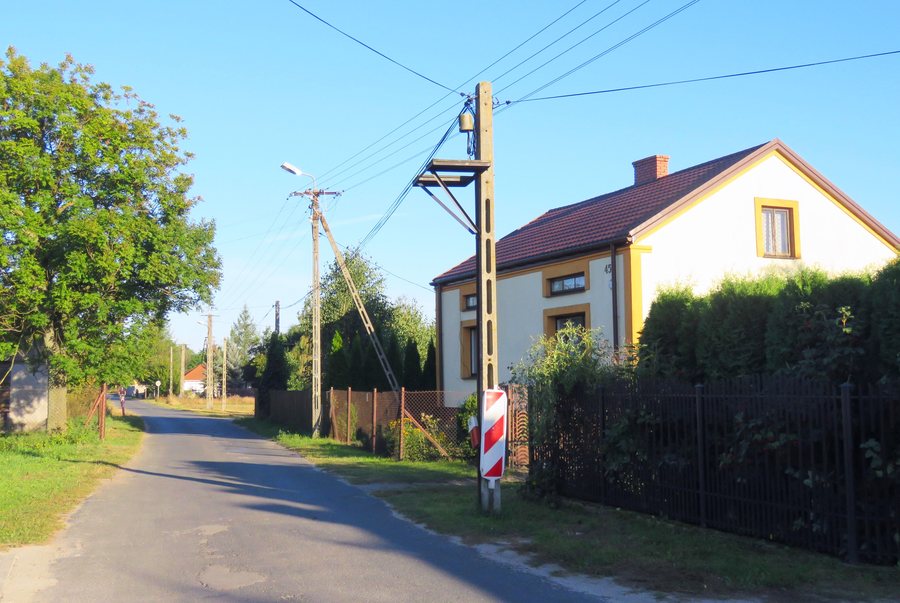
Key facts about Kępiaste
- Kępiaste and Łubiec lie in the landscape protection zone of Kampinos National Park.
- The northern, unforested areas of Kępiaste have organically derived soils with high moisture content that are used for agriculture.
- Remains of wooden buildings have been preserved in Kępiaste.
- Bus route 43 runs through Kępiaste; the timetable lists departure times for the Kępiaste II stop. The route and timetable were changed effective June 16, 2026.
What shapes the landscape of Kępiaste?
The landscape descriptions provide different levels of detail: the landscape protection zone includes Kępiaste and Łubiec, while the soil description specifically concerns Kępiaste’s northern, unforested areas. The soils there are used for agriculture, are of organic origin, and are very moist. The term “wet soils” succinctly captures their high moisture content and organic origin.
Together, these details offer two distinct points of reference: landscape protection in connection with Kampinos National Park, and a specific description of the northern areas and how they are used. If landscape considerations matter when choosing where to stay, you can consider these aspects separately. The protected-area designation places Kępiaste in its landscape context, while the soil and land-use description characterizes a particular part of the area.
What traces of buildings have been preserved?
Kępiaste also has a specific architectural point of interest: remains of wooden buildings have been preserved. This adds a different feature of the area to the landscape information. If you are interested in building styles, it offers a second way to explore the area as a potential destination: alongside its landscape and soils, there is a trace of its built heritage. As you plan your trip, you can weigh which of these topics interests you most.
What should you know about bus route 43?
Route 43 runs through Kępiaste, and the timetable lists departure times for Kępiaste II. Changes to the route and timetable have been in effect since June 16, 2026. For a specific journey, check the named stop and current departure times: knowing that the route passes through the area is not a substitute for checking the timetable.
How can you include accommodation searches in your plans?
If Kępiaste is a possible destination for your trip, you can search for hotels there and see how the area fits your plans. First consider which features matter to you: the protected-area and landscape context, the wet soils described in the north, or the preserved traces of wooden buildings. If the bus route is relevant to your plans, also check the current timetable. This way, you can combine your choice of destination with the topics that interest you and a journey plan you can verify.
Discover more destinations: Wojcieszyn, Kaputy, Latchorzew, Izabelin C, Mory, Duchnice, Święcice, Ożarów Mazowiecki.
FAQ
What landscape information is relevant to Kępiaste?
Kępiaste and Łubiec lie in the landscape protection zone of Kampinos National Park. The description of the wet soils used for agriculture refers to the north of Kępiaste.
Which stop is listed in the timetable?
The timetable lists Kępiaste II with departure times. Since the route and timetable changed effective June 16, 2026, check the current version before travelling.
What architectural feature has been preserved?
Remains of wooden buildings have been preserved in Kępiaste.
For the broader travel overview: Warsaw West.

