
Malapane: Church and Ironworks History
Accommodation in Malapane
Malapane offers a starting point for a cultural trip: St. John’s Church, designed by Karl Friedrich Schinkel; the history of the ironworks; and a museum right next to the iron suspension bridge.
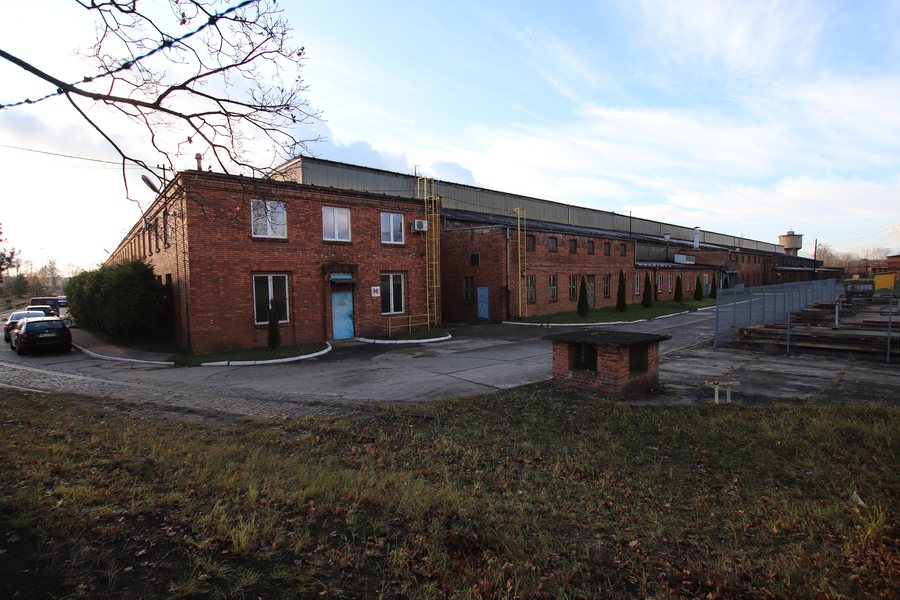
Malapane at a glance
- The Malapane ironworks was established from 1753 at the site of the Ozimek mill, between Krasiejów and Schodnia; it began operating in 1754.
- It was Upper Silesia’s first ironworks.
- Ozimek became an independent parish in 1768; the pastor also undertook to teach young people.
- The Evangelical-Augsburg Church designed by Karl Friedrich Schinkel was consecrated as St. John’s Church on April 8, 1821.
- The Metallurgy Museum of the Mała Panew Valley is right next to the iron suspension bridge in Ozimek.
What story does the ironworks tell?
The history of the Malapane ironworks can be understood through two dates that are close together: construction began in 1753 at the site of the Ozimek mill, which was located between Krasiejów and Schodnia. The ironworks began operating in 1754. The start of construction and the start of operations therefore refer to different stages and should not be conflated into a single date.
Its place in Upper Silesia is also significant: it was the region’s first ironworks. Early industrial history is therefore at the heart of the story here. If you are interested in the development of production and industry, this historical connection offers a specific starting point without reducing the story to a single year.
What can you learn about the church?
The Evangelical-Augsburg Church in Ozimek was designed by Karl Friedrich Schinkel. It was consecrated as St. John’s Church on April 8, 1821. The design and consecration complement each other but describe different things: the former points to the architect, while the latter refers to the church’s dedication and the specific date of its consecration.
The history of the parish offers another perspective on the town. Ozimek became an independent parish in 1768. At the same time, the pastor undertook to teach young people. This historical context therefore includes an educational role as well as the organization of the church. Together with the church itself, this forms a cultural focus distinct from the industrial history.
What information does the museum offer?
The Metallurgy Museum of the Mała Panew Valley is located right next to the iron suspension bridge in Ozimek. This close proximity is a useful point of reference when considering a visit to the museum. Since access may change, check locally whether a visit is possible.
These three themes offer different ways to explore the town’s history: the ironworks represents industrial history, the parish represents religious organization and education, and the church represents Schinkel’s design. You can choose what to focus on depending on whether you are more interested in early production, the history of the community, or architecture.
Discover more destinations: Dylaki, Bierdzan, Krasiejów, Lipowa, Sosnówka, Turawa, Czarnowąsy and Stare Siołkowice.
FAQ
When was St. John’s Church consecrated?
The Evangelical-Augsburg Church designed by Karl Friedrich Schinkel was consecrated as St. John’s Church on April 8, 1821.
What was special about the Malapane ironworks?
It was Upper Silesia’s first ironworks. Construction began in 1753 at the site of the Ozimek mill; it began operating in 1754.
Where is the Metallurgy Museum of the Mała Panew Valley?
It is right next to the iron suspension bridge in Ozimek. Before visiting, check locally whether access is currently possible.
Go to the higher-level travel overview: Opolski.

