
Discover Colonnowska: Kayaking, Trails and Industrial History
Accommodation in Colonnowska
Colonnowska combines kayaking routes and trails with a history dating back to a blast furnace built in 1780. For planning your trip, comparing the routes is a practical starting point: their lengths and approximate durations vary, and one of the kayak routes includes portages.
Colonnowska at a glance
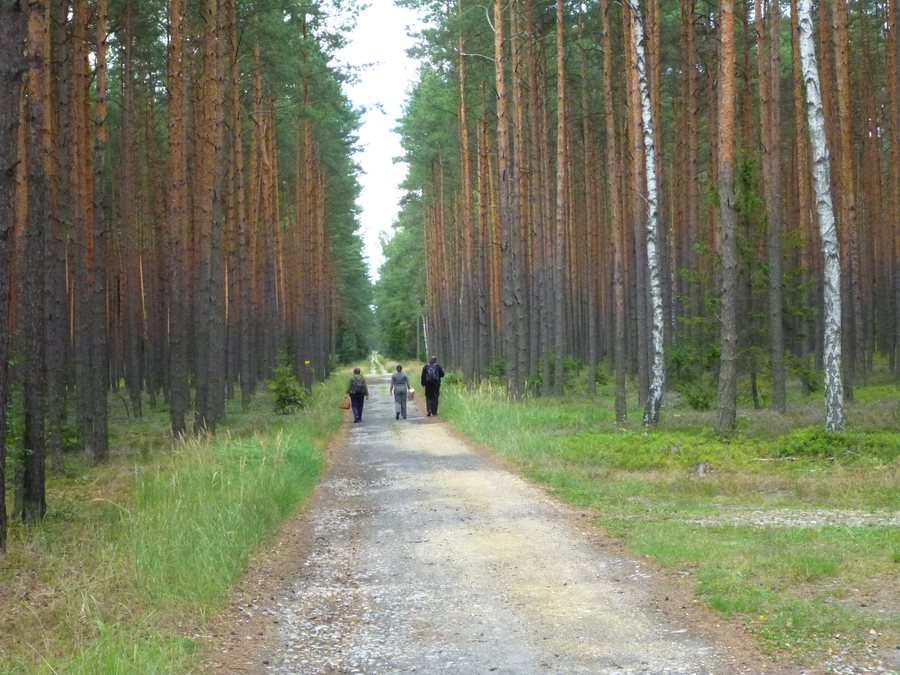
- The kayak route from Zawadzkie to Kolonowskie is 12 km long, runs entirely through woodland and takes about 4.5 to 5 hours.
- The kayak route from Kolonowskie to Ozimek is 15 km long. It takes about 3.5 to 4 hours and has numerous weirs that require you to carry your kayaks around them.
- The yellow trail 27Y runs between Kolonowskie and Bziniczka. The blue trail 163N starts and ends in Kolonowskie.
- The blast furnace on the Bziniczka was established in 1780 on the initiative of Filip Colonna. The settlement that developed around it was named Colonnowska in 1797.
Which kayak route suits your plans?
The two routes can be compared by length, approximate duration and the requirements described. The 12 km route from Zawadzkie to Kolonowskie is estimated to take about 4.5 to 5 hours and runs entirely through woodland. The 15 km route from Kolonowskie to Ozimek, by contrast, is estimated to take about 3.5 to 4 hours and is described as easy and pleasant. However, the numerous weirs make portages necessary.
So the longer route does not necessarily have the longer estimated paddling time. In choosing, consider not only the distance but also the weirs and approximate time required. Check local conditions before setting off; obstacles and water conditions can vary.
Which trails might interest cyclists?
The yellow trail 27Y connects Kolonowskie and Bziniczka. The blue trail 163N starts and ends in Kolonowskie and passes through Staniszcze Małe, Staniszcze Wielkie, Kąty, the outskirts of Zawadzkie, Stawy Pluderskie, Regolowiec and Brzyniczka. The two routes therefore differ both in their endpoints and in the intermediate places listed.
If you are planning a cycling trip, you can first decide whether you would rather explore a route between two places or the one that starts and ends in Kolonowskie. Check the current signage on site.
What does the town’s history tell us?
On Filip Colonna’s initiative, a blast furnace was built on the Bziniczka in 1780. The Bziniczka is a right-bank tributary of the Mała Panew. A settlement with 24 residential houses for officials and workers soon grew around the furnace. In 1797, it was named Colonnowska after its patron and founder.
Further traces of the area’s industrial history can be found at Rogolowiec: remains of wooden weirs and dams from the period when an ironworks operated there are preserved on the Bziniczka. The Kolonowskie Regional History Chamber is located on the “Morawsko-polskie ścieżki tradycji i poznania” (Moravian-Polish Paths of Tradition and Discovery), a themed trail created by the “Kraina Dinozaurów” Local Action Group.
How can you assess Colonnowska as a place to stay?
The interests described here can help guide your hotel search: would you like to compare kayak routes, include trails in your plans or explore the history of the ironworks? This information can help you assess the character of the destination according to your own priorities.
Discover more destinations: Strzelce Opolskie Municipality, Zimna Wódka, Jemielnica, Zawadzkie, Sucha, Stubendorf, Grodzisko, Mount Saint Anne.
FAQ
How long are the kayak routes?
The route from Zawadzkie to Kolonowskie is 12 km long; the route from Kolonowskie to Ozimek is 15 km long.
What should you plan for on the kayak route to Ozimek?
There are numerous weirs that require you to carry your kayaks around them. The trip takes approximately 3.5 to 4 hours; obstacles and water conditions can vary.
Which historical traces are associated with Colonnowska?
The blast furnace on the Bziniczka was built in 1780. Remains of wooden weirs and dams from the period when an ironworks operated at Rogolowiec are preserved there.
For the broader travel overview: Strzelecki.

.jpg)