
Wielki Klincz
Accommodation in Wielki Klincz
Wielki Klincz brings together traces of its local history and a protected natural area. When planning your trip, you can choose between cultural and historical interests, church buildings, and a landscape of bogs and ponds.
Wielki Klincz at a glance
- The Wielki Klincz Natura 2000 site (PLH220083) has been protected as a special area of conservation since March 2021.
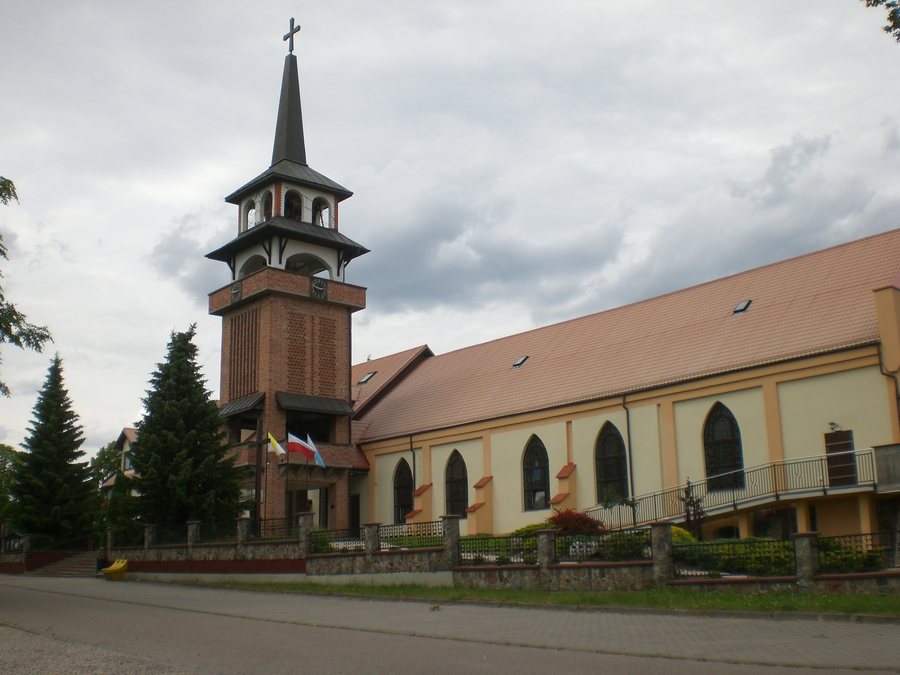
- The village has a parish church and a wayside chapel dating from 1937.
- A cycling connection more than 4.4 km long between Kościerzyna and Wielki Klincz has opened.
What makes the natural area distinctive?
The protected area lies southeast of the densely built-up part of the village. Its described landscape features include a transitional bog, dystrophic ponds, a degraded bog woodland, and birch stands. This combination makes nature a subject in its own right when exploring Wielki Klincz: the focus is on different bog and wetland habitats, rather than on a single attraction.
One protected species is also listed for the area: Rhynchocypris percnurus. Alongside the landscape features, this gives those interested in nature and species conservation a specific connection to the animal life. The area has been designated a special area of conservation since March 2021. This information links the name Wielki Klincz with the Natura 2000 site PLH220083 and helps distinguish it from the village’s other historical stories.
What buildings and historical traces can be found here?
The parish church is dedicated to the Holy Family and dates from 1937. The history of the parish is a separate matter: it was established in 1970 and is served by priests from the Missionaries of the Holy Family. A wayside chapel, also built in 1937, adds to the village’s church buildings. For those interested in cultural history, the church’s construction and the later establishment of the parish are two different dates.
Wielki Klincz is considered a former estate and noble village, established under Polish law at the turn of the 14th and 15th centuries. Later traces are also part of the village’s history: an Evangelical cemetery dating from 1783 is no longer in use. A park is located within a former manor complex dating from the second half of the 19th century. The grounds of a former manor complex are also dated to the third quarter of the 19th century.
The archaeological heritage includes the listed Wielki Klincz 3 site and its surrounding upland area, which are protected from development. A flat archaeological burial ground is also recorded. These details offer different insights into the village’s past; they do not all refer to the same type of monument.
Which travel interests can you combine?
The cycling connection between Kościerzyna and Wielki Klincz is more than 4.4 km long and has opened. If you are interested in cycling routes, you can include this specific option in your travel plans.
Wielki Klincz offers both nature and local history to explore: the protected area is known for its bog habitats and a listed protected species, while the church, chapel, cemetery, and archaeological monuments are historical points of interest. If you would like to compare other village pages, you can also find Wiele, Piątkowo, Stary Bukowiec, Nowy Klincz, Dywan, Lipuska Huta, Grzybowo and Kościerzyna here.
FAQ
Since when has the Natura 2000 site been protected?
The Wielki Klincz Natura 2000 site (PLH220083) has been protected as a special area of conservation since March 2021.
When were the parish church and wayside chapel built?
The parish church dedicated to the Holy Family dates from 1937; the wayside chapel was also built in 1937. The parish itself was established in 1970.
How long is the cycling connection to Kościerzyna?
The cycling connection between Kościerzyna and Wielki Klincz, which has opened, is more than 4.4 km long.
For the broader travel overview: Berent.

