
Discover Berent: Lakes, nature trails and Kashubian culture
Accommodation in Berent
There, you can consider nature trails, water activities and Kashubian culture as different focuses for planning your trip.
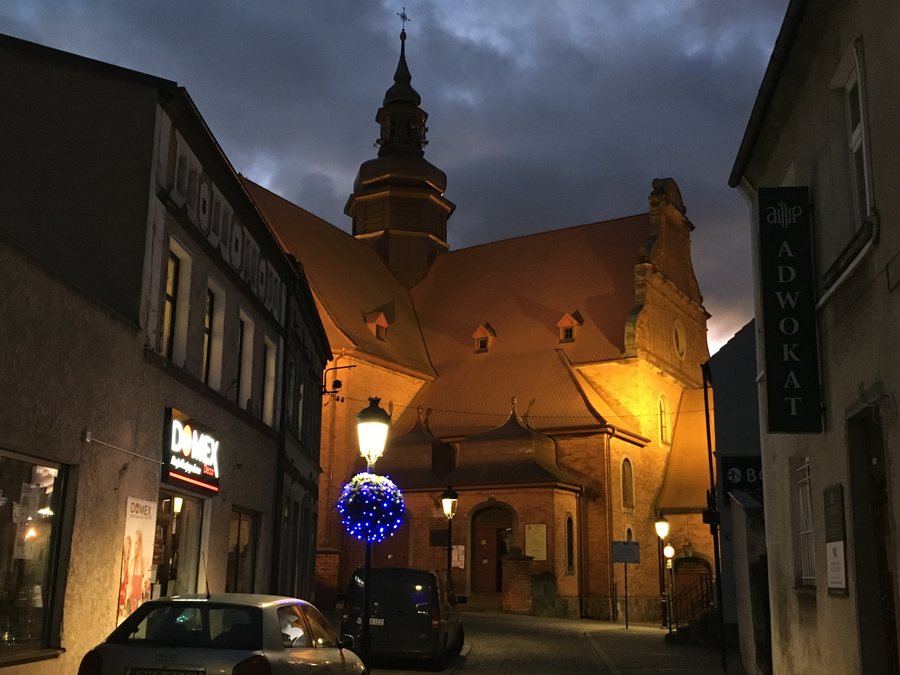
Berent at a glance
The Gmina Kościerzyna has more than 60 lakes. Part of the municipality lies within Wdzydzki Park Krajobrazowy, with its group of ribbon lakes. Lake Wdzydze, also known as the “Kashubian Sea,” covers an area of 1,430 hectares together with the arms of Radolne, Jeleń and Gołuń.
Which nature trails and water experiences are available?
The nature trails in Juszki, Wąglikowice and Wdzydze are located within the associated municipality of Kościerzyna and can be compared by length and number of stops. The nature and education trail in Juszki is five kilometres long and has five information boards. The “Szlakiem pięciu jezior” nature trail in Wąglikowice is six kilometres long and has five stops. In Wdzydze, the nature trail is four kilometres long and has eight stops. This makes the Wdzydze trail the shortest of the three, while also having the most stops; the information for Juszki and Wąglikowice offers a further comparison by route length.
Water also shapes leisure activities across the municipality: there are 80 kilometres of waterways for canoeing, and the rivers Wda, Pilica, Wierzyca and Trzebiocha form canoe routes. The Borowa–Pilica–Graniczna–Trzebiocha–Wda water route begins at “Kajaki Młyn” in Korne. The provider offers watercraft and instruction, and makes visits to the old mill possible. As availability may change, it is advisable to check the offers directly in advance.
Another way to get to know the lakes is a roughly one-hour trip aboard the Stolem on the Wdzydze Lakes. The trip goes around Ostrów Wielki, the largest island in the lake. This lets you consider a canoe route and a boat trip as different water activities when planning.
What is distinctive about Kashubian culture?
In Wdzydze, in the associated municipality of Kościerzyna, is the Muzeum – Kaszubski Park Etnograficzny im. Teodory i Izydora Gulgowskich, Poland’s oldest open-air museum. It covers 22 hectares on the shore of Lake Gołuń. More than 50 regional architectural structures from Kashubia, Kociewie and the Tuchola Forests illustrate rural building styles from the 17th to the 20th century. The different regions of origin and long time span offer a concrete insight into regional building culture.
The programme at the open-air museum in Wdzydze, located in the associated municipality of Kościerzyna, includes concerts on a Baroque cabinet organ made by the Gdańsk organ builder Gottfried Weinert in 1765. Regional folk ensembles also perform there quite often. The Jarmark Wdzydzki is held at the open-air museum, too. If you are planning to attend a concert, performance or event, check the dates for the specific event in advance.
Another cultural outing takes you to the Zakłady Porcelany Stołowej “Lubiana S.A.” porcelain factory. Factory tours are offered year-round, Monday to Friday between 9 a.m. and 12 p.m., by prior arrangement. The guide shows the entire production process, from design to decoration. Arrange your visit in advance, as arrangements may change. At the Józef Ciężki “Odyseja” Art Gallery, you can view and buy paintings, graphic works, sculptures and artistic furniture by Józef Ciężki; the selection may also change.
What guidance is available for planning?
The Centrum Usług Turystycznych in Wdzydze provides maps of cycling and walking routes, along with suggested excursions. The Stanica Wodna PTTK in Wdzydze has a water sports equipment rental service. The municipality therefore offers both map-based guidance for independent excursions and activities related to water sports. When choosing a hotel in Berent, consider which of these themes matter for your stay and include the relevant place names in your further planning.
Discover more places
Discover more places in the associated municipality of Kościerzyna on the pages for: Grzybowo, Piechowice, Grabówko, Dywan, Lipuska Huta, Przytarnia, Sycowa Huta, Lipusz, Nowy Barkoczyn, Dębogóry, Stary Bukowiec, Wiele, Szenajda, Bartoszylas, Nowa Karczma, Olpuch, Piątkowo, Śluza, Nowy Klincz, Wielki Klincz, Sobącz, Liniewo, Schodno, Grabowo Koscierskie, Lubań, Łubiana, Raduń, Kościerzyna, Konarzyny, Waglikowice, Stara Kiszewa, Dobrogoszcz and Dziemiany.
FAQ
How do the nature trails differ?
The circular trail in Juszki is five kilometres long and has five information boards. “Szlakiem pięciu jezior” in Wąglikowice is six kilometres long and has five stops; the trail in Wdzydze is four kilometres long and has eight stops.
What can you see at the open-air museum in Wdzydze?
The museum features more than 50 architectural structures from Kashubia, Kociewie and the Tuchola Forests. They illustrate rural building styles from the 17th to the 20th century.
How can you plan a tour of the porcelain factory?
Tours are available year-round, Monday to Friday between 9 a.m. and 12 p.m., by prior arrangement. The guide takes you through the production process, from design to decoration.
For the broader travel overview: Pomerania.

