
Katy Rybackie: Nature and fishing history
Accommodation in Katy Rybackie
Katy Rybackie combines nature in its local protected area with the history of fishing on the Vistula Lagoon. A nature trail, a harbor, and the Muzeum Zalewu Wiślanego give the place distinct character. If you are looking for accommodation, you can decide based on these interests whether nature observation or the history of fishing and boatbuilding should shape your trip more strongly.
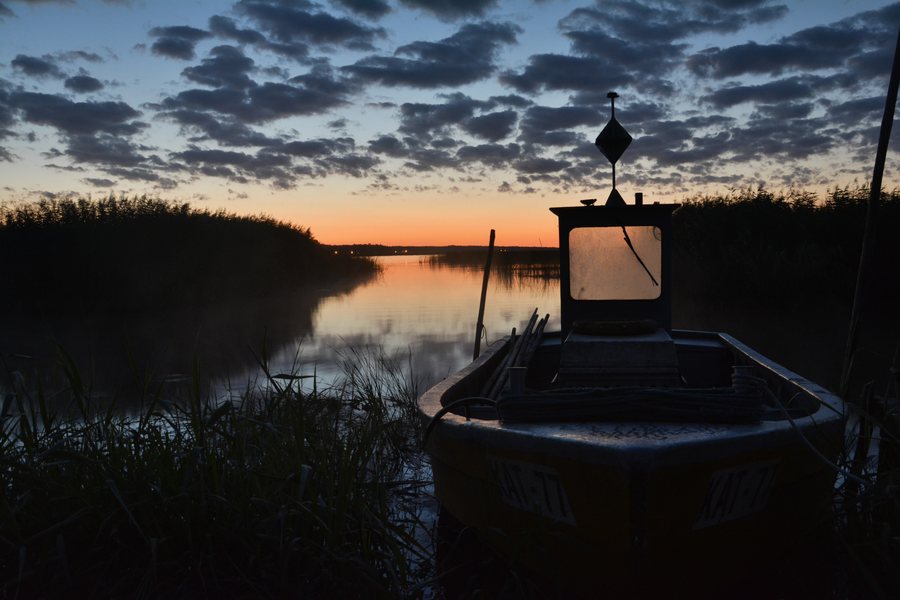 File:Katy Rybackie - Stary port rybacki nad Zalewem Wislanym - wschod slonca.jpg
Photo: Marcin Zajączkowski via Wikimedia Commons, CC BY-SA 3.0
Katy Rybackie at a glance
- The Kąty Rybackie Nature Reserve protects cormorants and grey herons.
- The reserve is now home to Poland’s largest cormorant colony and one of Europe’s larger cormorant colonies.
- The Muzeum Zalewu Wiślanego is right next to the harbor and is dedicated to fishing and boatbuilding on the Vistula Lagoon.
- A five-kilometer nature trail begins at the Leśnictwo Kąty forestry office.
What shapes nature and the landscape in Katy Rybackie?
The nature reserve is an important place for cormorants and grey herons. The cormorant colony is especially notable: it is now considered the largest in Poland and ranks among the larger colonies in Europe. So Katy Rybackie is not just about one species; grey herons are also among the birds protected in the area.
The five-kilometer nature trail is dedicated to the local nature reserve. It starts at the Leśnictwo Kąty forestry office. Its stated length makes the trail a clearly defined way to include nature as a specific focus of your trip.
What does the museum reveal about the history of fishing and boatbuilding?
The Muzeum Zalewu Wiślanego is right next to the harbor in Kąty Rybackie. It collects records and artifacts related to the history of fishing and boatbuilding on the Vistula Lagoon. The exhibition features sailing boats of the “barkas” type, smaller “żakówki” boats, and historic fishing equipment from the turn of the 19th and 20th centuries.
The various objects give regional history a concrete form: boats represent boatbuilding, while fishing equipment represents fishing. This makes it possible to understand the lagoon not only as a landscape, but also through the work carried out there and the vessels used. The museum also serves as an educational center and offers events and temporary exhibitions on the history of fishing, boatbuilding, and rope-making. These topics expand the collection to include other areas of crafts connected with the water.
What do the harbor and local history tell us?
Kąty Rybackie has a harbor and a fishing harbor or fishing facility. This reflects the traditional livelihoods of the place, which include fishing, gathering forest produce, amber fishing, and tourism. These activities show different sides of local life, without reducing the history of the place to a single occupation.
The design of the fishermen’s houses also points to their relationship with the Vistula Lagoon. In these houses, the windows of the largest room faced the lagoon. This specific feature sets the orientation of the main room apart from a general description of the buildings as fishermen’s houses, and highlights the lagoon as an important reference point in local architectural history.
What experiences can you include in your trip?
Nature, the museum, and the harbor appeal to different interests: the reserve and the trail focus on nature, while the museum collection centers on fishing and boatbuilding. The Muzeum Zalewu Wiślanego is 140 meters, or about a two-minute walk, from the Kąty Rybackie–Port bus station.
A 45-minute boat trip on the “Krystyna” sailed from the harbor in Kąty Rybackie onto the Vistula Lagoon. As described, the trip links the harbor with the lagoon. The time refers to this boat trip; it does not indicate how long a visit to the museum or nature trail takes.
FAQ
How long is the nature trail?
The nature trail is five kilometers long and begins at the Leśnictwo Kąty forestry office.
What can you see at the Muzeum Zalewu Wiślanego?
The exhibits include sailing boats of the “barkas” type, smaller “żakówki” boats, and historic fishing equipment from the turn of the 19th and 20th centuries.
How far is the museum from the bus station?
The museum is 140 meters, or about a two-minute walk, from the Kąty Rybackie–Port bus station.
Back to the main travel overview: Kobyla Kępa.

