
Jastarnia – Harbor, Fishing History and Fortifications
Accommodation in Jastarnia
Jastarnia combines a harbor with fishermen’s buildings that still shape the town today, as well as traces of its fortification history. Those interested in culture, maritime history and excursions on Puck Bay will find a range of themes to consider when planning their trip.
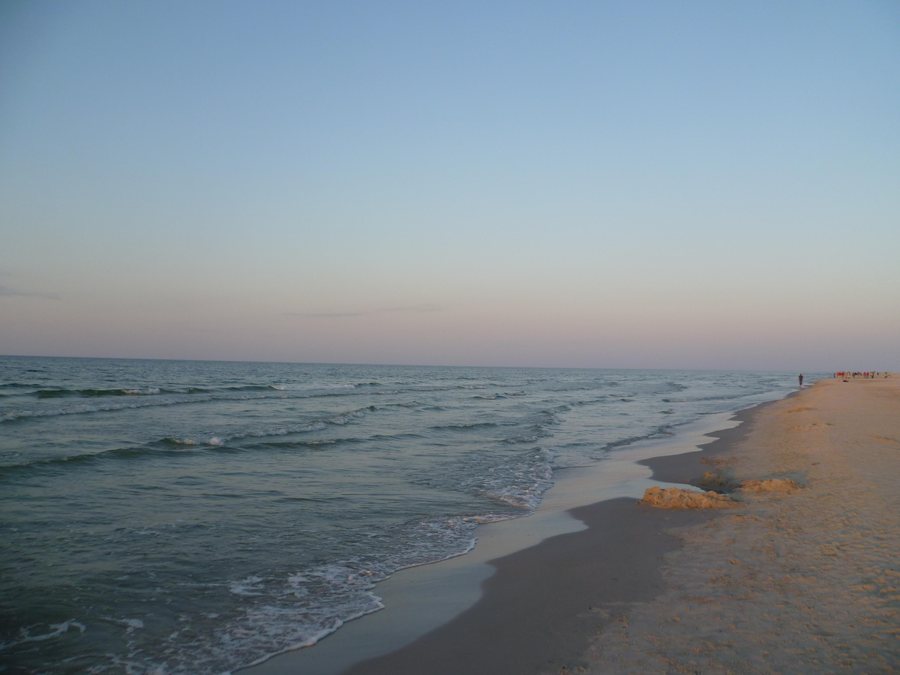
Jastarnia at a glance
The harbor was built between 1926 and 1931 and serves fishing, sailing, passenger transport and tourism. Traditional fishermen’s cottages, preserved in Jastarnia, are part of the town’s fishing history. The “Chata Rybacka” museum is an authentic, rectangular fishermen’s cottage dating from 1881. The fortifications are also part of the townscape: since 2005, the Skansen Fortyfikacji open-air museum has been located on the grounds of the Ośrodek Oporu Jastarnia.
What does the architecture tell us about Jastarnia?
A walk along the narrow streets between former fishermen’s cottages is considered a special visitor experience. The traditional fishermen’s buildings have been preserved and shape the character of the town. You can combine this with a visit to the “Chata Rybacka”: the building is more than just a museum name; it is a fishermen’s cottage dating from 1881, whose rectangular shape and authentic character distinguish it from a mere representation of historic architecture.
Another distinctive building is the Neo-Baroque fishing church, Kościół pw. Nawiedzenia Najświętszej Maryi Panny. Built in the 1930s, it is considered an outstanding architectural monument in the town. Blue and celadon colors add a distinctive touch to the interior. The particularly striking feature is the magnificent boat-shaped pulpit, which appears to be carried by churning sea waves. Every summer, organ concerts featuring well-known organists from Poland and abroad are held there. The architecture, interior and concert tradition thus offer several reasons to visit for a cultural stay.
What harbor and bay experiences are available?
The harbor is not limited to a single function: it serves fishing, sailing, passenger transport and tourism. It also has a special place in the history of sailing: it was the first facility in Poland to train yacht captains. Local fishermen offer excursions on the bay in traditional fishing boats. The pier at the harbor invites visitors to stroll and relax throughout the season; it also offers a viewpoint overlooking Puck Bay. These activities appeal to a range of interests, from maritime history to time spent by the water.
What can you discover about the fortifications?
The Skansen Fortyfikacji on the grounds of the Ośrodek Oporu Jastarnia comprises four main bunkers: “Sokół,” “Sabała,” “Saragossa” and “Sęp.” There are also light defensive structures. For a visit inside, the “Sabała” museum bunker is particularly relevant: its interior can be visited in spring and summer.
A striking surviving feature of the “Jastarnia” anti-aircraft battery is a reinforced-concrete fire-control tower. It stands on a dune crest at the entrance to Beach No. 54. Those interested in military history can consider this site and the open-air museum as two distinct aspects of the fortifications.
What visitor details should you plan for?
The Jastarnia lighthouse was built in 1938. Its tower is 13.3 meters high and is topped by a conical roof. One important detail for your plans: the lighthouse is not open to visitors. Its significance for visitors therefore lies in its exterior appearance and specific construction details, not in a visit to the inside of the tower.
For a comparison with other destinations, you can also find Pierwoszyno, Władysławowo, Gnieżdżewo, Karwia, Rewa, Krokowa and Mechelinki.
FAQ
Can you visit the Jastarnia lighthouse?
No. The lighthouse is not open to visitors. It was built in 1938, is 13.3 meters high and has a conical roof.
When can you visit the interior of the “Sabała” bunker?
The interior of the “Sabała” museum bunker can be visited in spring and summer.
What is included in the Skansen Fortyfikacji open-air museum?
Since 2005, it has been located on the grounds of the Ośrodek Oporu Jastarnia and comprises the four main bunkers “Sokół,” “Sabała,” “Saragossa” and “Sęp,” as well as light defensive structures.
What activities does the harbor offer?
The harbor serves fishing, sailing, passenger transport and tourism. Local fishermen also offer excursions on the bay in traditional fishing boats.
For the broader travel overview: Puck.
More about the destination
Useful information for planning your trip:

