
Odargowo
Accommodation in Odargowo
Odargowo combines traditional Kashubian character with a distinctive rural settlement pattern. A brick-built chapel, a 19th-century half-timbered house and a point on the hiking trail through the Puszcza Darzlubska give the village several different facets. When choosing accommodation, you can consider whether you would like your trip to focus primarily on village culture, historic building styles or the hiking trail.
Odargowo at a glance
Odargowo lies entirely within the buffer zone of the Nadmorski Landscape Park and retains its traditional Kashubian character. The village has a brick-built chapel dating from the early 20th century. The building at 36 Morska Street is a 19th-century half-timbered house. The hiking trail through the Puszcza Darzlubska passes through Odargowo; the village is listed as a point on the route at kilometre 32.9. Nearby is Głaz Stojący (Stojc), also known as Diabelski Kamień.
What shapes the village’s appearance and architectural history?
The rural settlement pattern and traditional Kashubian character are key features of Odargowo. For travellers who want to base their stay on more than just the landscape or activities, they offer a distinct cultural point of interest. The brick-built chapel dates from the early 20th century. In contrast, the half-timbered house at 36 Morska Street dates to the 19th century. The two building styles represent different historical periods and materials: brick in one case, half-timbering in the other. Together with the village’s settlement pattern, they offer a tangible insight into the place without requiring a large museum or city programme.
Which hiking and nature spots can you include in your plans?
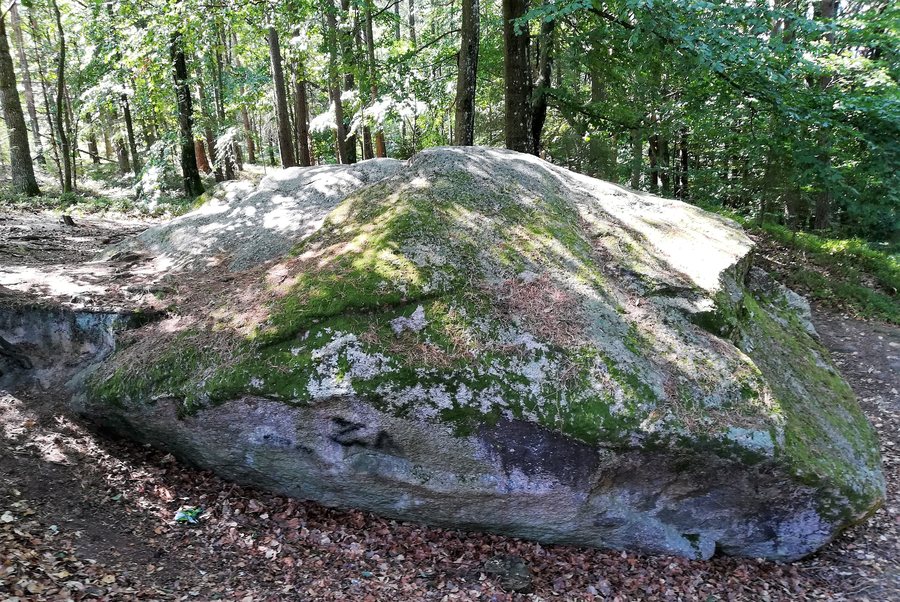
The hiking trail through the Puszcza Darzlubska passes through Odargowo. The village is listed as a point on the route at kilometre 32.9. If you want to combine your trip with hiking, you can use this information as a guide when exploring the trail; it marks Odargowo’s position on the route. Another natural attraction is nearby: Głaz Stojący, also known as Stojc or Diabelski Kamień, is a natural monument. The boulder has a circumference of about 20 m and is 3.5 m high.
What should you know when planning your road journey?
The Dębki–Odargowo road improvement project includes a combined pedestrian and cycle path. This is relevant for travellers who also take pedestrian and cycling access into account when planning their trip.
How do you choose accommodation to suit your stay?
First, consider which aspect of the village matters most for your trip: its rural settlement pattern and Kashubian character, the two historic buildings mentioned above, or the hiking trail through the Puszcza Darzlubska. If you would like to compare different destinations, you can also find Rekowo Górne, Bialogora, Karwia, Lysniewo, Rozewie, Słuchowo, Puck and Połchowo here.
FAQ
Where is Odargowo on the hiking trail through the Puszcza Darzlubska?
The trail passes through Odargowo; the village is listed as a point on the route at kilometre 32.9.
Which historic buildings are mentioned in Odargowo?
The village has a brick-built chapel dating from the early 20th century. The building at 36 Morska Street is a 19th-century half-timbered house.
What is Głaz Stojący near Odargowo?
Głaz Stojący, also known as Stojc or Diabelski Kamień, is a natural monument nearby. It has a circumference of about 20 m and is 3.5 m high.
For the broader travel overview: Putzig.

