
Gościcino
Accommodation in Gościcino
Gościcino offers concrete points of interest for a trip focused on architectural and local history: an eleven-room red-brick villa, a factory complex listed as a monument, and Dwór Drzewiarza, which is used as a library and cultural center.
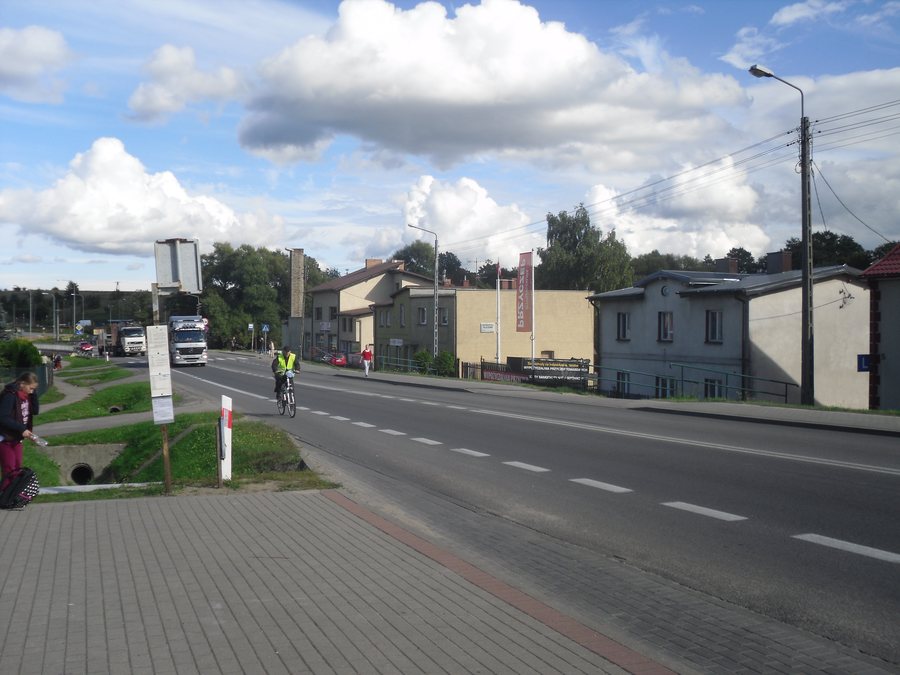
Gościcino at a glance
Dworek Drzewiarza was built in 1905 as the villa of a brickworks owner. The monument register lists the villa of the brickworks owner at ul. Drzewiarza 2; old trees there are also designated as a natural monument. At ul. Fabryczna 1 is the listed complex of the furniture and chair factory, now the Klose furniture factory. It includes a water tower dating from the 19th or 20th century. A workers’ housing estate was built in Gościcino in 1909.
What architectural history can you discover in Gościcino?
The brickworks owner’s villa is associated with the year 1905 and several clearly identified architectural features: it has eleven rooms, is built of red brick and has a tiled roof. This gives a more concrete picture of the building than its function as a villa alone. The monument register also lists a villa belonging to a brickworks owner at ul. Drzewiarza 2. For travelers interested in historic residential buildings, both its architectural form and its documented connection to a brickworks owner are notable aspects of local history.
What does the factory complex tell us about the area?
The complex at ul. Fabryczna 1 is identified as a furniture and chair factory and is now the Klose furniture factory; it is also listed as a monument. The associated water tower dates from the 19th or 20th century. The factory, the tower and the brickworks owner’s villa offer different points of reference for exploring architectural and industrial history, but this does not mean they were built at the same time. Another historical reference is the workers’ housing estate built in Gościcino in 1909. This date refers to the estate, not to the factory buildings or the villa mentioned above.
What cultural uses and spaces are mentioned?
Dwór Drzewiarza is used as the library and cultural center of Gmina Wejherowo. In addition, BCK Gminy Wejherowo offers a comfortable room for rent in Dworek Drzewiarza. The listed suitable occasions include meetings, training sessions, workshops, lectures, conferences, educational activities, cultural events and private celebrations. The range therefore extends from work-related meetings and learning activities to cultural or private gatherings. If you are planning an event, you can use these explicitly listed types of use as a guide; they describe the rental space, not necessarily a public program.
What other details add to the picture of the area?
The natural heritage includes the old trees at ul. Drzewiarza 2, which are designated as a natural monument. A separate reference to cycling can be found in the Gościcino integration hub project, which included designating bicycle paths. Together with the historic buildings, these offer different ways to understand Gościcino: architectural history, industrial use, culture and nature, as well as a project related to cycling.
For comparisons with other local profiles, you can also explore Nadole, Wejherowo, Słajkowo, Salino, Osetnik, Dobrzewino, Bieszkowice and Nowy Dwor Wejherowski.
FAQ
When was Dworek Drzewiarza built?
The brickworks owner’s villa was built in 1905.
What is part of the Klose furniture factory complex?
The complex includes a water tower dating from the 19th or 20th century.
How is Dwór Drzewiarza used?
It is used as the library and cultural center of Gmina Wejherowo. BCK Gminy Wejherowo also offers a room for rent in Dworek Drzewiarza for various events.
What is designated as a natural monument at ul. Drzewiarza 2?
The old trees at this address are designated as a natural monument.
For the broader travel overview: Neustadt.

