
Rybnik
Accommodation in Rybnik
Rybnik combines cultural attractions, distinctive church architecture, and a variety of experiences by the water.
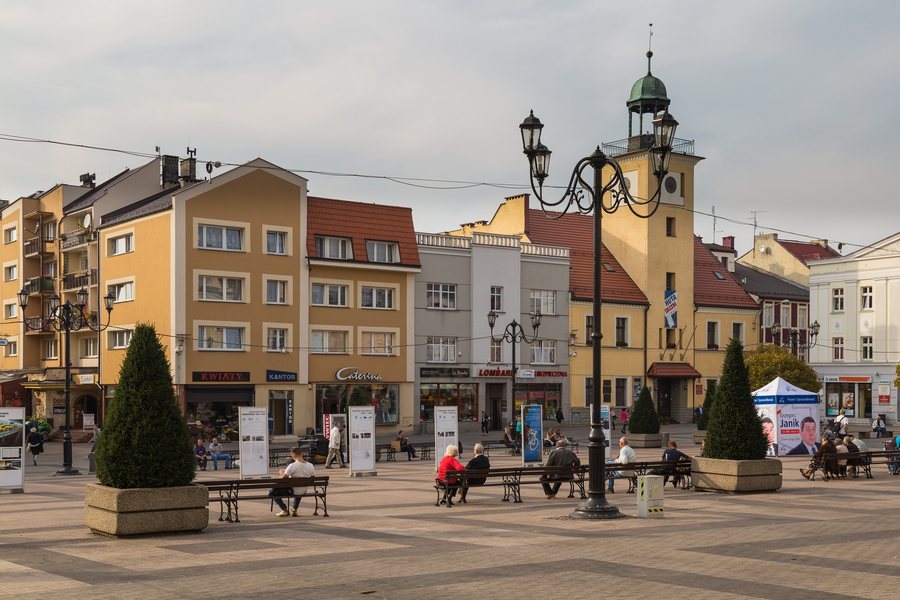
Rybnik at a glance
- Zabytkowa Kopalnia Ignacy is a tourism and cultural site on the grounds of the former Ignacy coal mine.
- The permanent exhibition “Wiek pary” is housed in the hoist tower building of the Kościuszko shaft.
- Edukatorium Juliusz is dedicated to the history of medicine and pharmacy.
- The Basilica of St. Anthony is Neo-Gothic and was built from 1903 to 1906 based on a design by Ludwik Schneider.
- A two-kilometer recreational trail runs along Zalew Pniowiec, with 13 information boards.
- Zalew Rybnicki covers 550 hectares and was created by damming the Ruda River.
- Activities at Zalew Rybnicki include kayaking, sailing, and windsurfing.
What are the different focuses of the cultural attractions?
Zabytkowa Kopalnia Ignacy takes you to the grounds of a former coal mine, now a tourism and cultural site. The site includes the permanent exhibition “Wiek pary” in the hoist tower building of the Kościuszko shaft. Both the historic connection to the mine and a specific exhibition are therefore at the heart of the experience. Visitors interested in industrial history will find a different thematic focus here than at the city’s religious and medical cultural attractions.
Edukatorium Juliusz is dedicated to the history of medicine and pharmacy. It also offers space for leisure, for discovering historic architecture, and for relaxing in green surroundings in the heart of Rybnik. These themes can be seen as different facets of the site: its subject matter is medicine and pharmacy, while architecture and greenery are also part of its described character.
The Minor Basilica of St. Anthony of Padua is a striking architectural landmark. The Neo-Gothic church was built from 1903 to 1906 based on a design by architect Ludwik Schneider. Its towers are 96 meters high; the basilica is considered the tallest religious building in Upper Silesia. There is a viewing point in the south tower. Its architecture, construction period, and height give you concrete points of reference when deciding whether Rybnik’s religious buildings match your interests.
What water and nature experiences are available?
Zalew Rybnicki offers a different focus from the cultural attractions: it draws fans of kayaking, sailing, and windsurfing. The 550-hectare lake was created by damming the Ruda River. It is located in the Rybnik districts of Rybnicka Kuźnia, Orzepowice, Chwałęcice, and Stodoły. These activities can help guide you if you want to make water sports a priority when planning your trip.
At Zalew Pniowiec, by contrast, the focus is on a recreational trail. It is two kilometers long, and 13 boards along the route provide information about the site’s natural features. Nature enthusiasts can combine a walk with information about Pniowiec’s distinctive features. The trail’s length and the boards describe a clearly defined offering, without requiring an estimate of how long the walk takes.
If you would like to compare other destinations, you can also take a look at Jejkowice, Jankowice Rybnickie, Piece, Żytna, Czernica, Sumina, Palowice, and Czerwionka-Leszczyny.
FAQ
What is part of Zabytkowa Kopalnia Ignacy?
It is a tourism and cultural site on the grounds of the former Ignacy coal mine. It includes the permanent exhibition “Wiek pary” in the hoist tower building of the Kościuszko shaft.
How long is the recreational trail at Zalew Pniowiec?
The trail is two kilometers long. There are 13 information boards along the route about the site’s natural features.
How tall are the towers of the Basilica of St. Anthony?
The towers are 96 meters high. There is a viewing point in the south tower.
For the higher-level travel overview: Rybnik.

