
Discover Pilica
Accommodation in Pilica
Pilica combines a historic town layout with a church complex, a viewpoint, and a memorial site. To get your bearings, it is particularly helpful to note the different construction dates and visitor access conditions at the castle and park complex.
Pilica at a glance
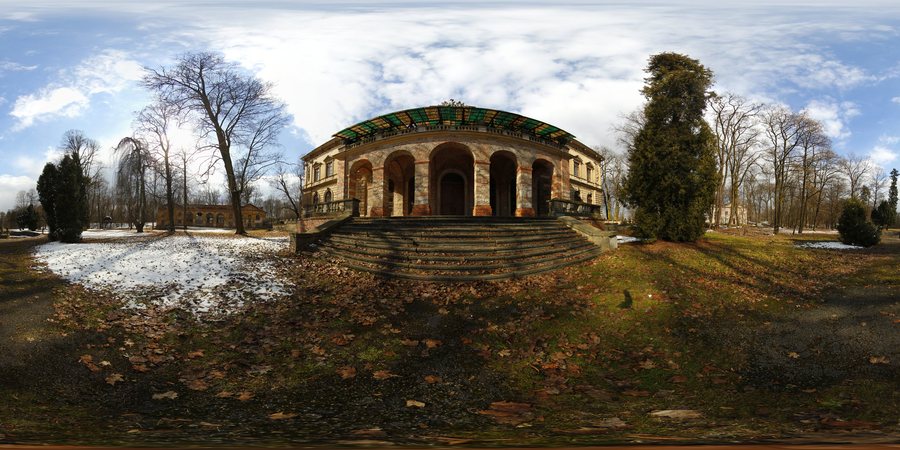
The well-preserved historic town layout dates back to the town’s development in the second half of the 14th century. The parish church complex comprises a church from the 14th century, a bell tower from the first quarter of the 19th century, and an enclosure from the 18th century. The castle and park complex includes a park, palace, outbuildings, and bastion fortifications. The park and palace are not open to visitors; the surviving bastion fortifications can be admired. The red-marked Szlak Orlich Gniazd (Trail of the Eagles’ Nests) passes through Pilica on its route from Kraków to Częstochowa.
Which traces of history shape Pilica?
The town layout is evidence of Pilica’s development in the second half of the 14th century. Its good state of preservation makes it a subject in its own right, alongside the individual buildings: here, the focus is on the town’s historic structure; there, on buildings and the periods in which they were constructed. If you are interested in local history, you can distinguish between these different kinds of evidence rather than grouping them together as a single attraction.
The parish church complex reflects several building phases. The church dates from the 14th century and is dedicated to John the Baptist and John the Evangelist. The bell tower and enclosure complement the complex, but date from later centuries: the tower was built in the first quarter of the 19th century, and the enclosure in the 18th century. These dates give you a specific comparison between the components without assigning them all to the same period.
What should you know about the castle and park complex?
The complex includes a historic park, bastion fortifications, a palace, and outbuildings. The distinction in access is essential when planning your visit: the park and palace are not open to visitors, while the surviving bastion fortifications can be admired. So, the possibility of viewing the fortifications does not mean that the park and palace are also accessible. Check the current conditions before your visit.
What viewpoint and route are described in Pilica?
On Wzgórze św. Piotra (St Peter’s Hill) there is a historic wooden bell tower and a panoramic viewpoint. This combines an architectural feature with views over the surrounding area; the hill is also considered the birthplace of Pilica. The Szlak Orlich Gniazd, or Trail of the Eagles’ Nests, is a separate feature: marked in red, it passes through Pilica on its route from Kraków to Częstochowa.
What does the market square commemorate?
A memorial stone with a plaque in the market square commemorates Nazi terror during the Second World War. This memorial site offers a different perspective from the architectural history of the town layout and church complex. So, if you are exploring the different aspects of the town, remembrance of this historic violence is also among the topics mentioned.
Discover more destinations: Ogrodzieniec, Podleśna, Morsko, Zdów, Zawada Pilicka, Witów, Łazy and Kroczyce.
FAQ
What period does the historic town layout date from?
The town’s development, which gave rise to the well-preserved historic layout, took place in the second half of the 14th century.
Which parts of the castle and park complex are accessible?
The park and palace are not open to visitors. The surviving bastion fortifications can be admired; check the current conditions before your visit.
What can you find on Wzgórze św. Piotra?
A historic wooden bell tower and a panoramic viewpoint stand on St Peter’s Hill.
For the broader travel overview: Zawiercie.

