
Discover Podlesice: Caves, Rock Formations and Research
Accommodation in Podlesice
Discover Podlesice through its caves, rocky landscape and regional research. When planning your trip, it is important to distinguish the tourist-accessible Jaskinia Głęboka from the other caves, which have different access requirements.
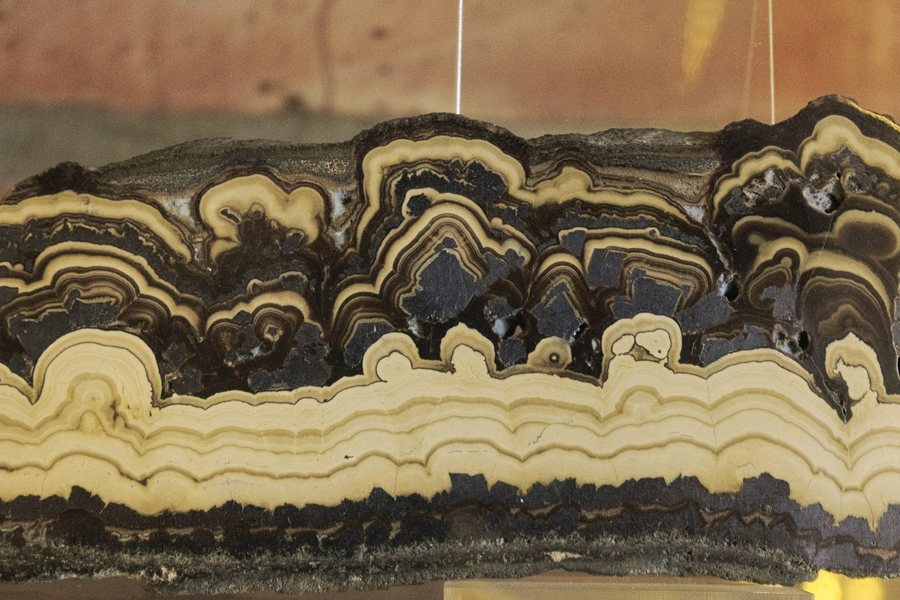 File:Sphalerite (fibrous blende) from Olkusz.jpg
Photo: Adrian Tync via Wikimedia Commons, CC BY-SA 4.0
Podlesice at a glance
- Jaskinia Głęboka is open to tourist visits and is managed by the Jura Natural and Cultural Heritage Centre.
- Jaskinia Żabia is 59 m long and 18.5 m deep; it is accessible only with alpine equipment.
- Jaskinia Berkowa is 54 m long. More than three quarters of its length must be covered by crawling.
- The Skały Podlesickie lie west of Podlesice and comprise rock formations in a landscape shaped by forests, ravines and valleys.
How do access requirements differ between the caves?
Jaskinia Głęboka lies in the Krucze Skały massif, near the car park of the Jura Natural and Cultural Heritage Centre in Podlesice, on the DW 792. The centre manages the cave. Check the operating arrangements before your trip.
Jaskinia Żabia is in the Podlesice area, on Góra Sulmów. Its length and depth describe the cave but do not, by themselves, indicate its access requirements: it is accessible only with alpine equipment. Jaskinia Berkowa lies on Góra Kołoczek, also in the Podlesice area. Its narrow passages make it difficult to traverse; more than three quarters of the 54 m-long cave must be covered by crawling. Planning for these two caves therefore involves different requirements: alpine equipment for Żabia, and narrow passages and extended crawling for Berkowa.
What characterizes the rocky landscape west of the village?
The Skały Podlesickie west of Podlesice consist of groups of rocks. The surrounding landscape is shaped by forests with numerous ravines and valleys; larger and smaller rock formations are often hidden in the undergrowth. The rock formation Biblioteka is located on the summit of Góra Sulmów in the Skały Podlesickie. It is well known among climbers and frequently visited.
Climbing schools are also based in Podlesice. If you plan to visit a particular school, check which ones are currently operating. Two route descriptions offer different points of reference: a green route passes south of Góra Sulmów and heads west through the Skały Podlesickie towards the Skały Rzędkowickie. A red route runs from the Kroczyce–Żarki road via Góra Sowią and Apteka and helps you find your way among the rock formations. Check the red route’s conditions on site.
What local stories and research topics are there?
The area around Krucze Skały near Jaskinia Głęboka was a mining site for crystalline calcite from the early 1950s. The material, known as spar, was mined for the glass industry. This adds a history of mineral extraction to the area’s caves and rocky landscape.
The building of the Jura Natural and Cultural Heritage Centre in Podlesice presents findings from entomological, palaeontological and archaeological research in the region. These three fields have different areas of focus and add a natural and cultural history perspective to the picture of the area.
FAQ
Which cave is open to tourist visits?
Jaskinia Głęboka is open to tourist visits and is managed by the Jura Natural and Cultural Heritage Centre. Check the operating arrangements before your trip.
What equipment is needed for Jaskinia Żabia?
Jaskinia Żabia is accessible only with alpine equipment. For Jaskinia Berkowa, by contrast, the main things to bear in mind are the narrow passages and long stretches of crawling.
Which route helps you find your way around the Skały Podlesickie?
The red route from the Kroczyce–Żarki road via Góra Sowią and Apteka helps you find your way among the rock formations west of Podlesice.
For the broader travel overview: Piaseczno.

