
Nowy Żmigród: Historical Sites and Hotels
Accommodation in Nowy Żmigród
Nowy Żmigród can be explored through several historical themes: religious sites, traces of a former manor house, and memorial sites from the First World War. If you are looking for a hotel, these different areas of interest can help you decide what you would like to focus on during your stay. The following facts show how the sites differ.
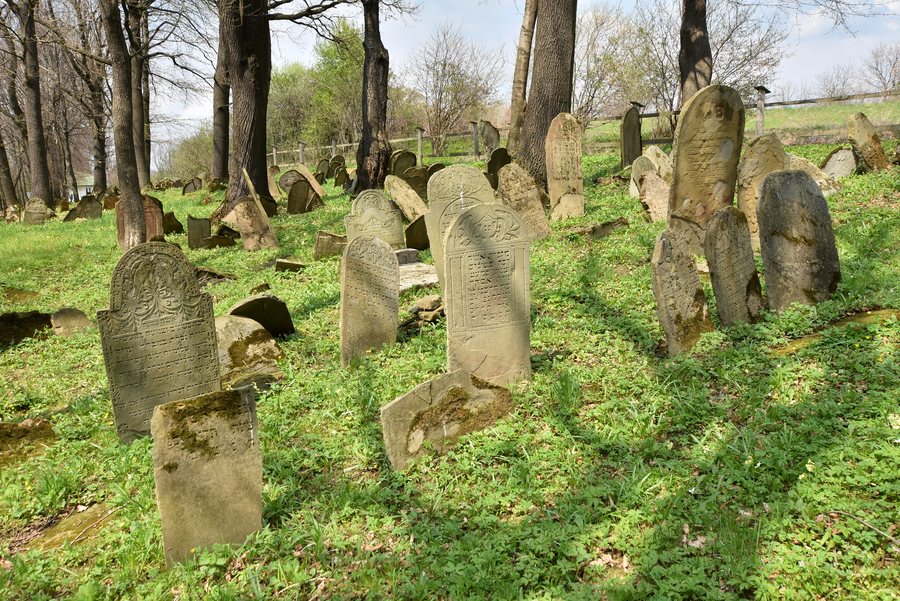 File:Nowy Żmigród, cmentarz żydowski (HB1).jpg
Photo: Henryk Bielamowicz via Wikimedia Commons, CC BY-SA 4.0
Key Facts about Nowy Żmigród
- Two pedunculate oaks stand beside the church.
- The historic church contains the Sanctuary of Władysław Findysz, a priest and martyr.
- The relics of Blessed Władysław Findysz are kept in a sarcophagus in a side chapel of the sanctuary.
- The historic cemetery chapel in the parish cemetery dates from the mid-19th century.
- In the western part of the village, by the Wisłoka River, are the remains of a manor complex and a former manor park with historic trees.
- Military Cemetery No. 8 from the First World War lies on the Eastern Front Trail of the First World War (Szlak frontu wschodniego I wojny światowej).
Which religious sites shape the historical perspective?
The church and the sanctuary within it are a religious focal point. The relics are kept in a sarcophagus in one of the sanctuary’s side chapels. This context is helpful if you are interested in the sanctuary and its specific significance: the relics belong to the sanctuary and are not described as a separate site outside it.
The historic cemetery chapel in the parish cemetery is a separate site. Its dating to the mid-19th century gives it a clear historical context. If you plan to visit the chapel, check access in advance. The two oaks beside the church add a natural feature to the setting, but are not themselves another religious building.
How do the manor house traces differ?
In the western part of Nowy Żmigród, by the Wisłoka, are the remains of a manor complex and a former manor park with historic trees. The word “remains” matters here: these are traces of a complex, not a description of a fully preserved estate. The park is also described as former. Its historic trees are part of this inherited landscape, but this does not indicate the park’s current condition.
The religious sites are centered on the sanctuary and chapel, while the manor house traces connect a former estate with a historic landscape. If you are interested in local history, you can consider these topics separately rather than treating them as a single building or a continuous visitor route.
What sets the military cemetery apart?
Military Cemetery No. 8 is a memorial site from the First World War, so it differs in period and subject from the cemetery chapel, which dates to the mid-19th century. Its location on the Eastern Front Trail of the First World War (Szlak frontu wschodniego I wojny światowej) links it to this named route. Check current conditions at the site before visiting. This keeps the cemetery’s historical context separate from the practical question of visiting it today.
How can you use these topics when choosing a hotel?
First, consider which aspects matter most to you: religious heritage, historic landscapes, or remembrance of the First World War. Your own requirements for location and accommodation will then guide your choice of hotel.
Discover more destinations: Jasło, Nawsie Kołaczyckie, Polany, Krempna, Kołaczyce.
FAQ
Where are the relics of Blessed Władysław Findysz kept?
They are kept in a sarcophagus in a side chapel of the sanctuary.
When does the cemetery chapel date from?
The historic chapel in the parish cemetery dates from the mid-19th century.
Where is Military Cemetery No. 8?
The military cemetery from the First World War lies on the Eastern Front Trail of the First World War (Szlak frontu wschodniego I wojny światowej). Check current conditions at the site before visiting.
Go to the broader travel overview: Jasielski.

