
Rymanów-Zdrój – Spa Tradition, Nature and Hiking Trails
Accommodation in Rymanów-Zdrój
Rymanów-Zdrój lies in a valley on the Tabor River, surrounded by hills covered with coniferous forests. The town combines a long spa tradition with a spa park, historic wooden architecture and trails through the countryside.
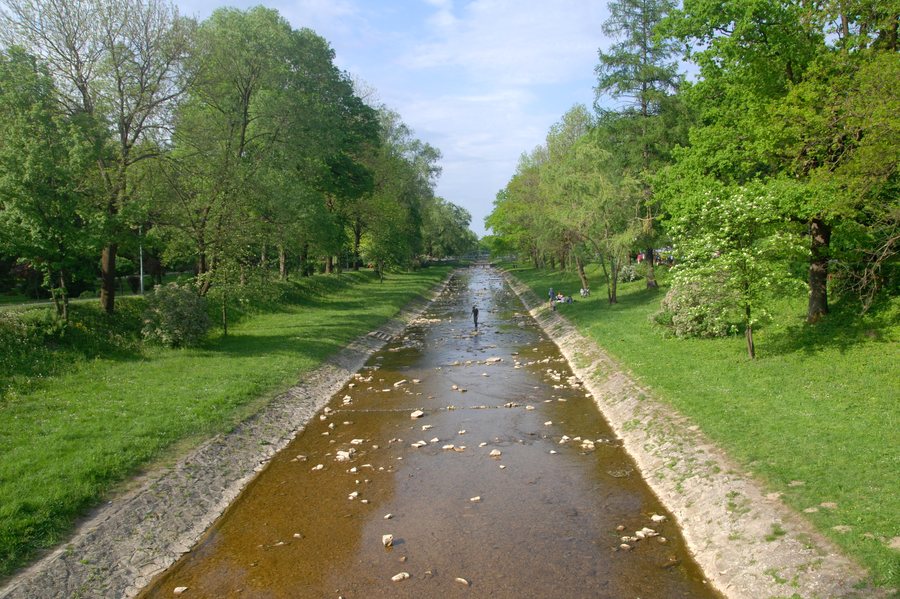
Rymanów-Zdrój at a glance
The natural healing springs Tytus, Klaudia and Celestyna were discovered in 1876. The spa began operating in 1881. The spa park features a mineral water pump room, a graduation tower, an outdoor fitness trail and a children's playground. A green hiking trail connects Rymanów-Zdrój with Iwonicz-Zdrój.
What defines the spa town and its surroundings?
Its location in the Tabor valley and the wooded hills give Rymanów-Zdrój a distinctly scenic character. At the same time, the history of the spa is an essential part of the town: the discovery of the three natural healing springs in 1876 preceded the spa's opening in 1881. Visitors interested in the development of spa culture can use these two dates as a guide to the destination's history.
The spa architecture adds another dimension to this historical perspective. It includes wooden villas and guesthouses dating from the 19th century. These include Opatrzność, Gołąbek and Zofia, as well as the wooden villa Maria, formerly called Dom pod Matką Boską. The spa buildings are part of the Wooden Architecture Trail of the Subcarpathian region. Visitors can also focus their stay on the distinctive wooden buildings and their role in the townscape.
What does the spa park offer?
The spa park has several different facilities: a mineral water pump room, a graduation tower, an outdoor fitness trail and a children's playground. Families will also find a dedicated play area in the park, while visitors looking to fit in some exercise can make use of the fitness trail. The pump room and graduation tower are part of the spa surroundings. These features offer different ways to enjoy a visit to the park without needing to combine them into a single itinerary.
What hiking and walking options are available?
A green hiking trail leads from Rymanów-Zdrój to Iwonicz-Zdrój, passing over the scenic Przymiarki ridge. On a clear day, the Tatra Mountains may be visible from there. This route is a useful reference for visitors considering a hike between the two towns; the mountain views depend on visibility.
Hiking and cycling trails also run through the area around the destination. These include family-friendly hiking and walking paths, as well as the Beskidzka Trasa Kurierska “Jaga-Kora”. It is a reconstruction of a former ZWZ-AK courier route. When choosing accommodation in Rymanów-Zdrój, visitors can therefore consider nearby trails alongside the town's spa history.
Is Rymanów-Zdrój also of interest to skiers?
Rymanów-Zdrój serves as a base for skiers. The KiczeraSki winter sports centre is less than 30 minutes away. It has five downhill runs of varying difficulty and a 4,000 m ski touring route. This information helps distinguish the destination's winter sports options from its hiking and cultural offerings. If skiing is part of your travel plans, access to KiczeraSki is a practical consideration when choosing where to stay.
FAQ
When were the healing springs discovered?
The natural healing springs Tytus, Klaudia and Celestyna were discovered in 1876.
Where does the green hiking trail lead?
It connects Rymanów-Zdrój with Iwonicz-Zdrój and passes over the Przymiarki ridge.
What winter sports are available at KiczeraSki?
KiczeraSki has five downhill runs of varying difficulty and a 4,000 m ski touring route.
Back to the main travel overview: Królik Polski.

.jpg)