
Discover Kunów: stone-carving tradition and cycling routes
Accommodation in Kunów
Kunów combines a stone-carving tradition known since the 16th century with the history of the parish of St. Władysław and two cycling routes that pass through the town. This lets you treat cultural and historical interests and a bike ride as separate focuses of your stay.
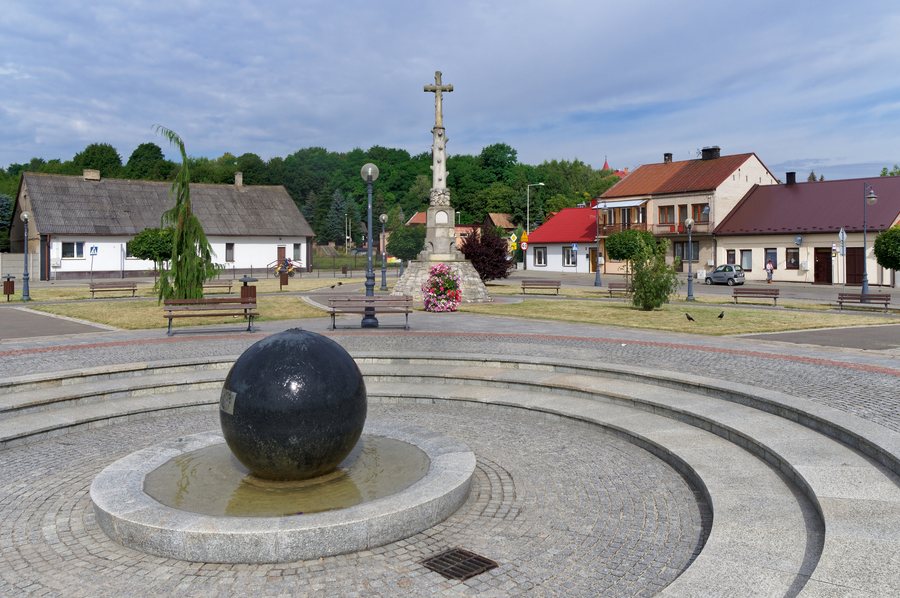
Kunów at a glance
- Kunów has been regarded nationwide as a center of stone carving since the 16th century.
- The first references to the parish of St. Władysław date from 1281.
- The brick bell tower beside the church was built in 1896 to a design by the painter Wojciech Gerson.
- The adjoining parish cemetery contains historic tomb sculptures and a grave for insurgents who fell in the 1863 Battle of Janik-Sadłowizna.
- The “Śladami zabytków techniki doliny Kamiennej” and “Środkowe Dorzecze Kamiennej” cycling routes pass through Kunów.
- Stone from the area around Kunów was used, among other places, for the monastery on Święty Krzyż, Łazienki Palace, and the Teatr Narodowy in Warsaw.
What does the stone-carving tradition tell us about Kunów?
Kunów has been regarded nationwide as a center of stone carving since the 16th century. The history of stone from the surrounding area also extends beyond the town: it was used, among other places, for the monastery on Święty Krzyż, Łazienki Palace, and the Teatr Narodowy in Warsaw. For travelers interested in culture, this connects a local craft tradition with examples found elsewhere. These buildings illustrate both the regional and wider reach of the stone’s use, while Kunów itself is associated with its historic reputation as a stone-carving center.
What historical traces can you find at St. Władysław’s?
The parish of St. Władysław is first mentioned in 1281. Other dates relate to different features: beside the church stands the brick bell tower, built in 1896 to a design by the painter Wojciech Gerson. The adjoining parish cemetery contains historic tomb sculptures. It is also the site of a grave for insurgents who fell in the 1863 Battle of Janik-Sadłowizna.
The early reference to the parish, the memorial to those who fell, and the bell tower offer different ways to explore Kunów’s history. If you plan to visit the church or cemetery, check access in advance.
Which cycling routes pass through Kunów?
Both cycling routes pass through Kunów: “Śladami zabytków techniki doliny Kamiennej” and “Środkowe Dorzecze Kamiennej.” Their names refer to different routes that you can include in your plans for a bike ride through Kunów. Before setting out, check the current route and local conditions.
How do you choose suitable accommodation in Kunów?
If you are considering Kunów as a place to stay overnight, your trip’s focus can help guide your search: would you mainly like to explore the stone-carving and church history, or plan a bike ride? Compare the locations of potential accommodations based on your specific plans for each day, and check availability for your travel dates. This will help you choose according to your own itinerary.
Discover more destinations: Waśniów, Antoniów, Ostrowiec Świętokrzyski, Bałtów.
FAQ
Since when has Kunów been known as a center of stone carving?
Kunów has been regarded nationwide as a center of stone carving since the 16th century.
Which cycling routes pass through Kunów?
The “Śladami zabytków techniki doliny Kamiennej” and “Środkowe Dorzecze Kamiennej” routes pass through the town. Before setting out, check the current route and local conditions.
What historical details can be found at the church of St. Władysław?
Beside the church stands a brick bell tower built in 1896 to a design by Wojciech Gerson. The adjoining parish cemetery has historic tomb sculptures and a grave for insurgents who fell in the 1863 Battle of Janik-Sadłowizna.
For the broader travel overview: Ostrowiec.

