
Sedansk: History, Lake and Two Routes
Accommodation in Sedansk
Sedansk can be understood through three specific points of reference: its origins in the 16th century, Lake Sędańsk and two routes that include the village. For travel planning, it is especially important to consider the cycling and kayaking routes separately: their lengths, courses and signage differ.
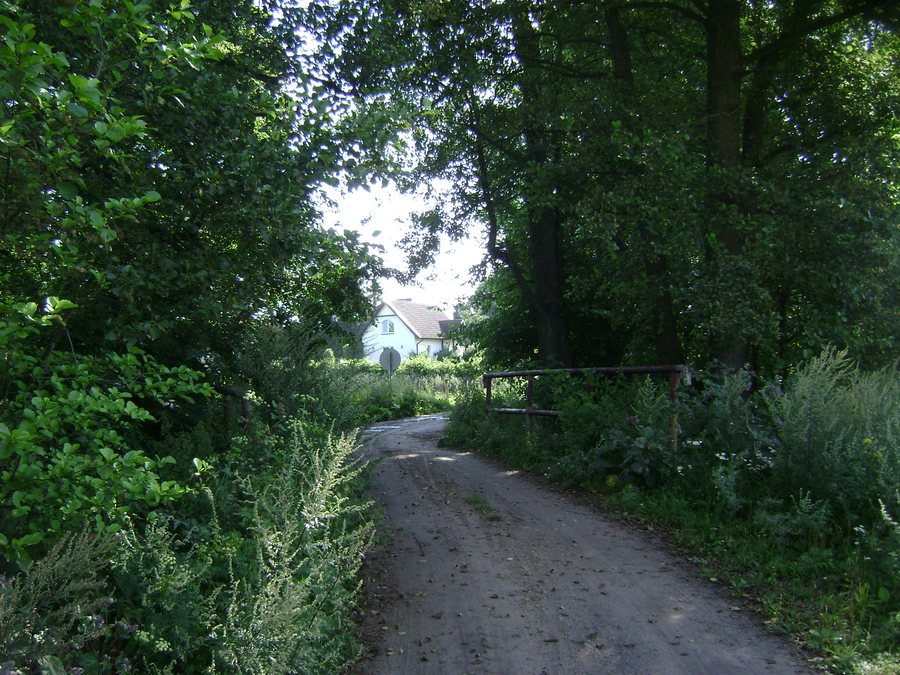 File:Poland. Gmina Szczytno. Sędańsk 003.JPG
Photo: Albertyanks Albert Jankowski via Wikimedia Commons, Public domain
Sedansk facts at a glance
- The municipal development strategy lists Sedansk among the summer villages tourists can visit.
- A 55-kilometre cycling route runs from Szczytno through several places to Sedansk and back to Szczytno. The route description, last updated in 2016, describes it as unmarked.
- The marked kayaking route on the Saska and Sawica rivers is 47 kilometres long and passes through Sedansk.
- The village’s origins are linked to the grant of four łans of oak woodland to Jerzy “Moelner” on 21 February 1565.
Which routes include Sedansk?
The cycling route starts in Szczytno and passes through Sasek Wielki, Sasek Mały, Rekownica, Jedwabno, Narty, Brajniki, Nowy Dwór, Sawica and Janowo to Sedansk, before returning to Szczytno. Sedansk is therefore one point on the described circular route. The route description was last updated in 2016 and says that the route is unmarked. If you plan to ride it, check the current route and conditions before setting out.
The 47-kilometre kayaking route is described as marked. It runs via Jezioro Sasek Wielki, Jęcznik, Janowo, Sędańsk, Jezioro Sędańskie, Jezioro Sasek Mały and Kucbork Wiebark. The route sequence therefore lists the village of Sędańsk first, followed by the similarly named lake Jezioro Sędańskie. This distinction helps you tell the route’s stops apart when reading the description.
To compare them, you can start by choosing an activity: the longer of the two routes is the 55-kilometre cycling route, while the kayaking route covers 47 kilometres. These figures refer to different modes of travel. They provide a measure of distance for each respective trip and should not be read as indicating the same amount of time.
What do the village’s history and lake tell us about the place?
Sedansk’s origins are linked to a specific date. On 21 February 1565, four łans of oak woodland were granted to Jerzy “Moelner”, and the village was established there. The date, recipient and stated area of woodland give the story of its founding a clear historical reference point. Anyone interested in the history of small places will find a precise date here, rather than a general reference to a century.
The lake also provides a point of reference for finding your way around the area. A route description published in 2015 mentions the village of Sedansk on the lake’s left bank, a small beach and a campsite without facilities. If you plan to visit the beach or campsite, check access and conditions in advance.
The village’s history, the description of its lakeshore and the two routes offer different perspectives on Sedansk: its historical context, its connection to the lake and two specific routes. For travel planning, it makes sense to consider each piece of information in its own context. The cycling route is not the kayaking route, and the lakeside locations are not a substitute for a route description. This makes it easier to decide which of these aspects will shape your stay.
Discover more destinations: Dybowo, Jedwabno, Pidun, Trelkówko, Pasym, Szczytno, Spychowo, Świętajno.
FAQ
How long are the cycling and kayaking routes?
The cycling route is 55 kilometres long, and the kayaking route on the Saska and Sawica rivers is 47 kilometres long. They are different activities.
Is the cycling route marked?
A route description last updated in 2016 describes it as unmarked. Check the current route and conditions before setting out.
What is known about the village’s origins?
Its origins are linked to the grant of four łans of oak woodland to Jerzy “Moelner” on 21 February 1565.
For the broader travel overview: Szczycieński.

