
Kielpino: Church, Lake and History
Accommodation in Kielpino
Kielpino combines a settlement with a street and square layout by a lake with a church whose history dates back to the 15th century. It also has an archaeological hoard find from the Early Iron Age and a mill with a miller’s house built in 1926. If you are comparing culture and the lake as different focuses for your trip, these topics offer a concrete starting point.
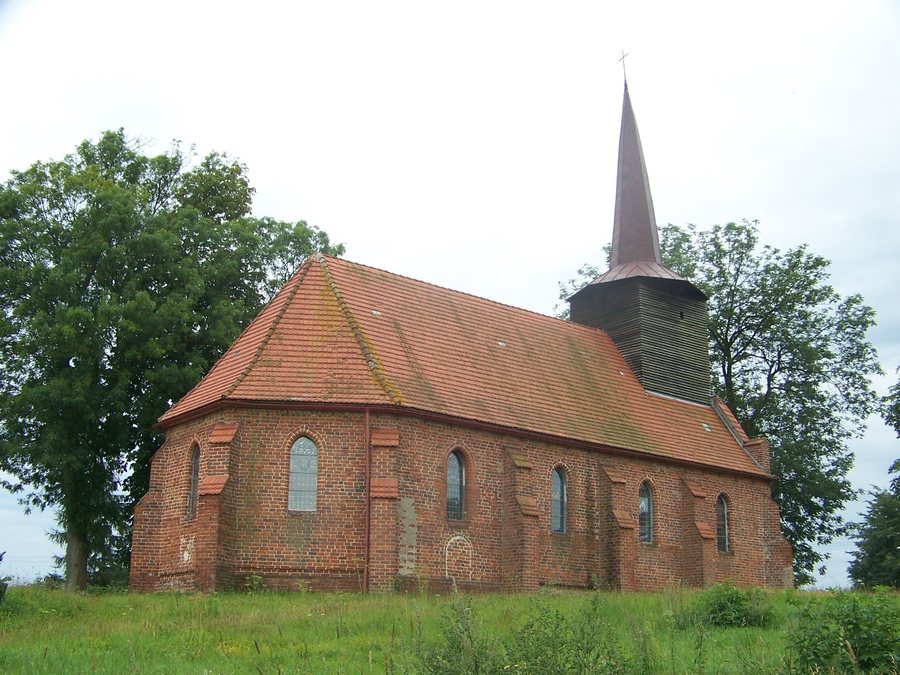
Kielpino at a glance
- Kielpino is a settlement with a street and square layout by a lake.
- The church was built in the 15th century and rebuilt in the 18th century.
- A Baroque altar and a Baroque pulpit from the first half of the 18th century have been preserved in the church.
- A hoard discovered within the village contained 42 bronze items and is dated to Hallstatt C of the Early Iron Age, approximately 750 to 600/550 BC.
- The cemetery was established in the 15th century and has a regular layout.
- The miller’s house at the Kiełpino Mill was built in 1926.
What periods does the church represent?
The church was built in the 15th century and rebuilt in the 18th century. A Baroque altar and a Baroque pulpit from the first half of the 18th century have been preserved inside. The building history and furnishings therefore relate to different periods: the church itself dates back further, while the altar and pulpit belong to the Baroque period. This distinction helps put the information into context without reducing the building and its furnishings to a single date.
What is known about the cemetery and the mill?
The cemetery in Kielpino was established in the 15th century and has a regular layout. Both its date and its spatial design are important to its description. Another point in time is the miller’s house at the Kiełpino Mill, built in 1926. These details sit alongside the church’s history, but they tell a different kind of local story. The cemetery is a historic site dating from the 15th century, while the miller’s house has a specific construction date in the 20th century.
What does the bronze hoard find tell us?
A hoard discovered in the village of Kiełpino contained 42 bronze items. It consisted mainly of parts of horse harnesses, as well as several body and clothing ornaments. The find dates to the Early Iron Age, more precisely to Hallstatt C. Its date is approximately between 750 and 600/550 BC; this refers to a period, not a single year in which it was found. The hoard is one of only a few finds of this kind in Pomerania.
How do the lake and fishing fit into your trip planning?
Kielpino is described as a settlement with a street and square layout by a lake. Amateur fishing is permitted on Lake Kiełpino in accordance with local regulations. A municipal regulation from June 2021 notes that the rules may change. So check the current fishing conditions before your visit. For planning purposes, these are two distinct aspects: the lake is part of the described local landscape, while fishing is subject to local regulations.
Discover more destinations: Karnice, Mrzezyno, Darszyce, Gryfice, Czaplin Mały, Pobierowo, Niechorze, Trzebusz.
FAQ
What Baroque furnishings have been preserved in the church?
A Baroque altar and a Baroque pulpit from the first half of the 18th century have been preserved in the church.
What does the hoard from Kielpino contain?
It contained 42 bronze items, mainly parts of horse harnesses, as well as several body and clothing ornaments.
What should you bear in mind when fishing on Lake Kiełpino?
A municipal regulation from June 2021 permits amateur fishing in accordance with local regulations and notes that these may change. Check the current fishing conditions before your visit.
For the broader travel overview: Greifenberg.

