
Discover Dziwnówek
Accommodation in Dziwnówek
Historical connections, a square with a fountain and sundial, and a marked route give Dziwnówek concrete themes to consider when planning a trip. If you are looking for a hotel, you can first weigh up whether local history, public spaces, or a route is most important to you.
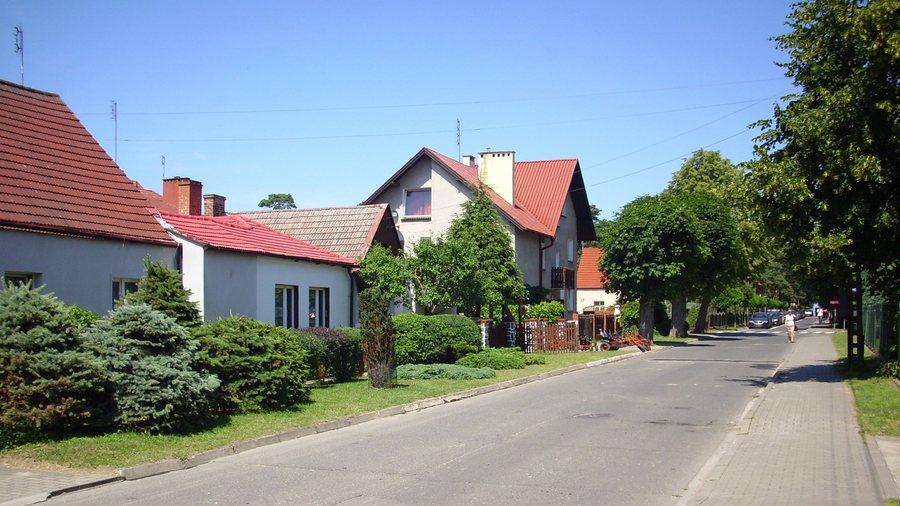
Dziwnówek at a glance
The following key points link different periods with a present-day local landmark and a route:
- A lease agreement from 1503 mentions the inn “Lutke Divenov.”
- On 15 March 1945, a symbolic wedding with the sea took place on the beach.
- A monument unveiled in 1975 at the roundabout commemorates soldiers of the Polish Armed Forces.
- At the end of Kamieńska Street is a square with a fountain and sundial; the blue-marked Szlak nad Bałtykiem i Zalewem Szczecińskim passes through Dziwnówek.
What historical connections are there?
The oldest of these connections dates back to 1503: a lease agreement for an inn called “Lutke Divenov,” concluded that year, is documented for Dziwnówek. The events of 1945 belong to a different chapter. On 15 March, after the fighting on Dziwnówek beach had ended, a symbolic wedding with the sea took place there. This was a one-time historical event, not an annual tradition.
Another connection to the wartime period can be found at the roundabout. The monument, unveiled in 1975, is dedicated to soldiers of the 2nd Infantry Division of the 1st Army of the Polish Armed Forces, who fought German troops in this area in the winter of 1945. The lease agreement, symbolic event, and monument thus represent different ways of looking at Dziwnówek’s history: documented local life, a single historical moment, and a memorial.
What makes the square on Kamieńska Street distinctive?
At the end of Kamieńska Street is a square with a fountain and specially shaped benches. The square also features a sundial, considered one of only five of its kind in the world. This gives a more precise description of the local landmark: it is not just the square itself, but also the distinctive design of the benches and the sundial that define it.
Unlike the historical facts, the square is a specific public place whose features can be listed directly. The sundial adds a distinctive touch alongside the fountain and benches. So if you take culture and local history into account when choosing a destination, both a named place and a special detail are in focus here.
What role does the marked route play?
The blue-marked Szlak nad Bałtykiem i Zalewem Szczecińskim passes through Dziwnówek. This adds another travel theme to the historical connections and the square: a marked route that crosses the town. These features are different in nature. The monument and the square are individual local landmarks; the route is a way through Dziwnówek.
You can use these differences to sort out your interests as you plan: is local history important to you, does the square with its sundial appeal to you, or would you like to include a marked route in your plans? These are different starting points for choosing a destination and searching for a hotel in Dziwnówek.
Discover more destinations: Wicko, Sierosław, Lukecin, Wolin, Wapnica, Ładzin, Rabiąż, Będzieszewo.
FAQ
What happened on the beach on 15 March 1945?
After the fighting ended, a symbolic wedding with the sea took place on Dziwnówek beach. It was a one-time historical event.
Who is commemorated by the monument at the roundabout?
The monument, unveiled in 1975, is dedicated to soldiers of the 2nd Infantry Division of the 1st Army of the Polish Armed Forces, who fought German troops in this area in the winter of 1945.
What is at the end of Kamieńska Street?
There is a square with a fountain and specially shaped benches. The square also has a sundial considered one of only five of its kind in the world.
For the broader travel overview: Cammin.

