
Stuchowo – Palace, Manor Farm and Park
Accommodation in Stuchowo
Stuchowo is especially interesting for travelers who would like to include historic architecture and a park with a variety of tree species in their travel plans. The palace, manor farm and traces of the town’s earlier history offer a range of points of interest, from preserved architectural details and historic farm buildings to a cemetery and a gravestone.
Stuchowo at a glance
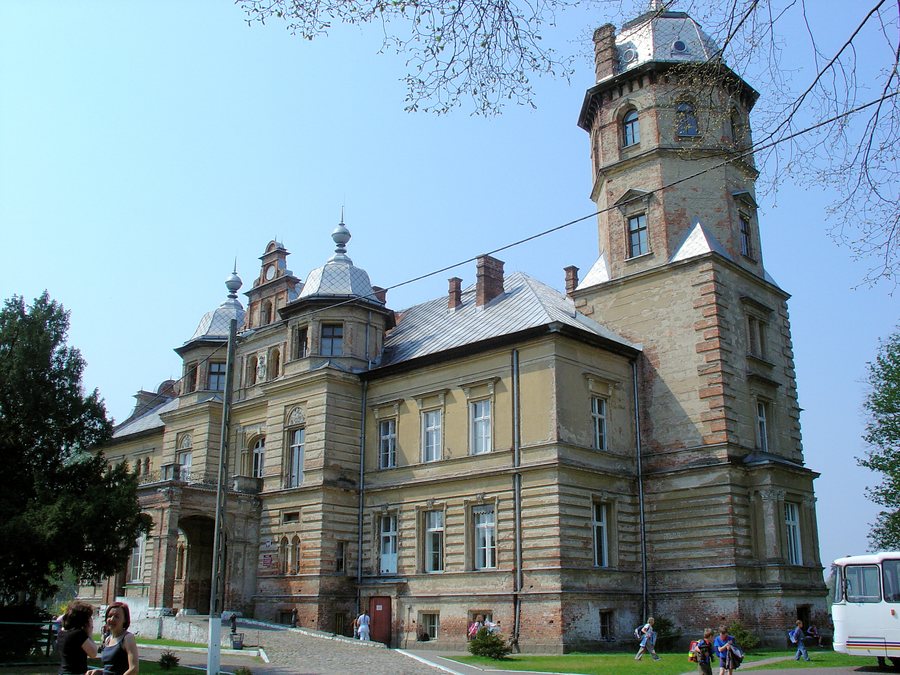
A palace and park complex lies on the western edge of Stuchowo. The manor farm complex includes a watermill dating from 1888 and a distillery from the last quarter of the 19th century. The park is home to purple beeches, firs, hickory trees, plane trees and yews, among other species.
Which historic buildings define Stuchowo?
The palace in the complex on the western edge of the town is designed in a Neo-Renaissance style and features Neo-Baroque elements. Its preserved fireplaces, tiled stoves, and stucco decorations on the walls and ceiling offer a tangible impression of the building’s interior. Those interested in architecture can consider these details as distinct aspects of the town’s history, alongside the description of its exterior style.
The manor farm complex includes a watermill dating from 1888. A distillery, established in the last quarter of the 19th century, is also part of the complex. The manor farm itself dates back to the 18th century; its buildings date from the 19th and 20th centuries. These dates refer to different parts of the ensemble. Stuchowo’s architectural history therefore cannot be reduced to a single century: the manor farm has older origins, while its buildings and associated farm buildings reflect further periods.
The palace’s current use is also relevant to understanding it: part of the building houses a primary school. Its historic architecture and present-day use are two distinct aspects of the same place.
What does the park offer nature and history enthusiasts?
The palace park contains old purple beeches, firs, hickory trees, plane trees and yews. Its variety of tree species also makes the park interesting to travelers whose focus is not solely on architecture. If you consider both historic buildings and trees when choosing a destination, Stuchowo brings these two themes together in its townscape.
The gravestone of a former owner of the palace is also located in the park. It adds a personal connection to the site’s history of ownership. A family cemetery dating from the beginning of the 19th century and a churchyard from the 18th or 19th century are also among Stuchowo’s historic sites. These places serve different purposes, but all connect the study of local history with cemetery and commemorative culture.
What other traces of the town’s history are known?
Stuchowo’s history extends beyond its surviving buildings: the ruins of a medieval castle were still visible at the beginning of the 20th century. This statement places the castle in its historical context and also describes a past state. Together with the family cemetery, the churchyard and the gravestone in the park, it offers a wide range of historical points of interest, from medieval traces to buildings from the 19th and 20th centuries.
If you’d like to include other town pages in your selection, you can find Redliny, Ładzin, Piaski Wielkie, Sierosław, Dziwnówek, Wapnica, Lukecin and Karnocice here.
FAQ
Where is the palace and park complex located?
It lies on the western edge of Stuchowo.
What architectural features are mentioned for the palace?
The palace is designed in a Neo-Renaissance style and features Neo-Baroque elements. Preserved features include fireplaces, tiled stoves, and stucco decorations on the walls and ceiling.
Which trees grow in the park?
The species mentioned are old purple beeches, firs, hickory trees, plane trees and yews.
Which historic farm buildings are part of the manor farm complex?
They include a watermill dating from 1888 and a distillery from the last quarter of the 19th century.
For the regional travel overview: Cammin.

