
Cicir: Church, Archaeology and Landscape
Accommodation in Cicir
Church and Early Settlement
The parish church of Cicir is dedicated to Saint George the Great Martyr and was built in 1853. It is therefore one of the town’s specific historical points of reference. The site of Cicir’s first church was located near the riverbed of the Mureș at the old settlement site of Hadă. In the townscape, the church, riverbed and settlement site connect religious history with older traces of human settlement.
Archaeological Sites on the Mureș
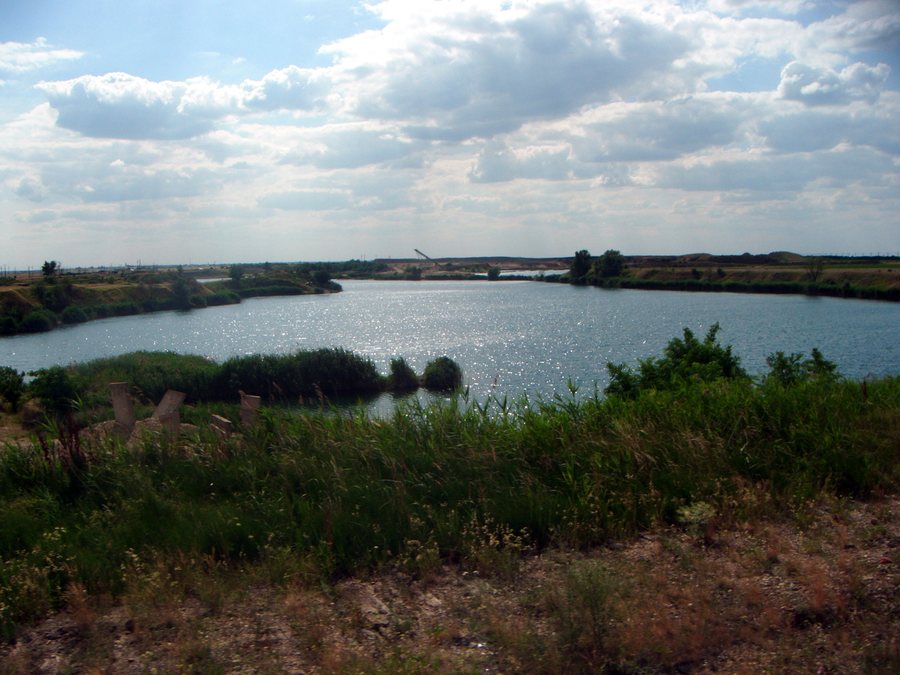
The Dacian settlement of Cicir – La Gropi lies southwest of Cicir on the bank of a former branch of the Mureș. The site’s historical character is preserved: this refers to a former river branch, not the present-day course of the Mureș. The Cicir – La Gropi archaeological site lies 500 metres south of the Arad–Deva road. The site is thus spatially connected with the southwestern surroundings and the former river landscape.
Prehistoric Classification
North of Cicir lies the Cicir – V11 archaeological settlement, which is classified as a prehistoric settlement. Together with La Gropi, this site points to different historical layers around Cicir. Those interested in archaeology can therefore find both a Dacian settlement and a site described as prehistoric in the area around the town.
Cycle Path on Mihail-Jora Street
On Mihail-Jora Street in Cicir, an approximately 500-metre-long paved cycle path connects the DN-7 national road with the new residential neighbourhood. The cycle path is 2.5 metres wide and allows traffic in both directions. The paved surface and two-way use define a clearly delineated section within the town. For a short cycling loop, this provides a specific stretch of road between the national road and the residential neighbourhood, without requiring any additional routes or destinations.
Monasteries, Church and Castle in the Regional Area
In the wider regional area around Cicir lies Mânăstirea Romano-Catolică Sfânta Maria, a monastery. Mânăstirea Feredu is also located in the wider regional area and is likewise a monastery. Catedrala ortodoxă Arad, a church, is also located in the area around Cicir. Castelul Cernovici - Macea is a castle in the wider regional area around Cicir. The cultural surroundings thus extend from religious buildings to a historic secular building.
Peaks and Mountains around Cicir
Dealul Bisericii is a peak in the area around Cicir. Capul Vancului is a peak in the wider regional area. Capul Mlatinu and Dealul Honlea are mountains in the wider regional area around Cicir. These named landscape features complement the archaeological and ecclesiastical destinations with a topographical perspective. Visitors exploring the surroundings can therefore find both named peaks and mountains as independent landscape themes alongside the town and its buildings.
A Fixed Date in the Annual Calendar
The Zilele Satelor Mândruloc and Cicir celebration takes place annually on 2 and 3 September. The date is therefore one of the clearly defined cultural points of reference in the annual calendar. Together with the church, archaeology, regional buildings and landscape, Cicir offers several distinct themes for exploring the town.
For the broader travel overview: Comuna Vladimirescu.

.jpg)