
Discover Nădlac: Churches, Museum and Local Traditions
Accommodation in Nădlac
Geographical Setting
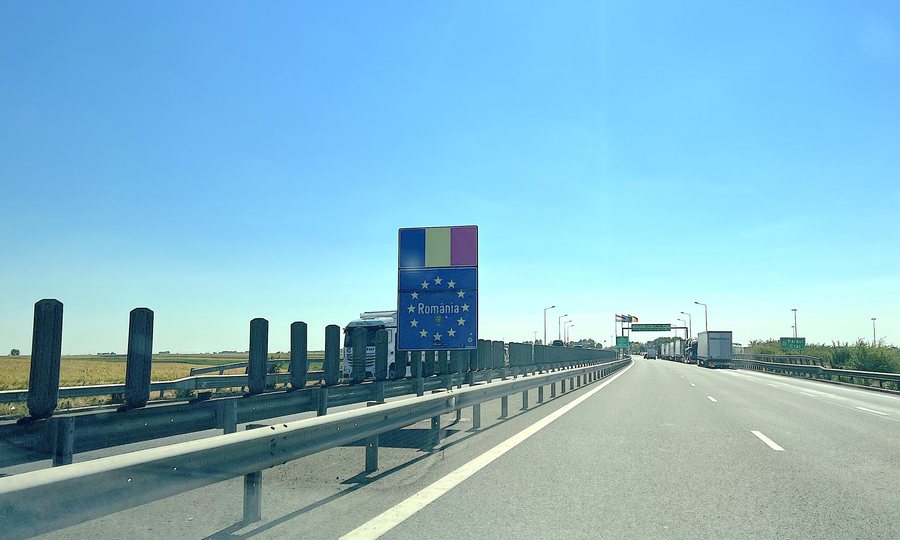
Nădlac lies entirely in the lowlands and is part of the Great Western Plain. The town is located near the Mureș River. Situated on the border with Hungary, Nădlac is one of the significant border crossings. For planning your trip, these geographical aspects can be considered separately: the vast plain, the proximity to the river and the border location offer different perspectives on the same place.
When comparing hotels in Nădlac, you can consider the travel period, room category and cancellation conditions as separate offer details side by side. Your choice of location can be aligned with the landscape, cultural and traditional themes described; consider specific offer details separately.
Culture
In 1803, Slovak colonists settled in Nădlac, coming from Tothklomos in Hungary and from central Slovakia. The year 1803 and the two places of origin give the town's history a specific temporal and geographical context. Nădlac is characterised by its multicultural, multi-ethnic and multi-confessional nature. The three terms mark different cultural levels and can be considered side by side when exploring the town.
The Orthodox Church of “Sfântul Ierarh Nicolae” in Nădlac was built between 1812 and 1822 in the Baroque and Rococo styles. The Slovak Evangelical Lutheran Church in Nădlac is a historic monument; it was also built between 1812 and 1822. The name day of the Church of “Sfântul Ierarh Nicolae” in Nădlac is celebrated every year on 6 December. For cultural classification, the construction period, architectural style, monument status and an annually recurring date are distinct aspects here.
Nădlac is home to the Nădlac urban ensemble; it encompasses the area around the Slovak Evangelical Church, the Slovak school, the general school and the Roman Catholic Church. The Slovak Ethnographic Museum in Nădlac is housed in a building that was converted into an ethnographic museum. The ensemble and the museum represent two differently defined cultural points of reference: one is an area with several named buildings, while the other is a converted house with an ethnographic function.
Cultural Perspectives
The cultural information can be distinguished according to its historical period, religious character, architectural context and ethnographic representation. The settlement of the Slovak colonists in 1803 provides a historical starting point. The two churches represent different denominational references, while the ensemble brings together several named buildings and the museum combines the ethnographic perspective in a converted house. In this way, history, religion, architecture and local tradition emerge as distinct themes.
Local Character
Nădlac's culinary character is linked to a clearly defined tradition. The “Festivalul Cârnatului Proaspăt – Ediția 2025” was scheduled to take place in Nădlac on 10 and 11 May 2025; it was intended to promote the tradition of preparing fresh sausages specific to the Nădlac area and highlight a culinary tradition that combines Slovak culture and local customs. The preparation of fresh sausages in Nădlac is considered a tradition passed down from generation to generation.
For the broader travel overview: Nadlac.

