
Râșca between Wooden Architecture and Mountain Trails
Accommodation in Râșca
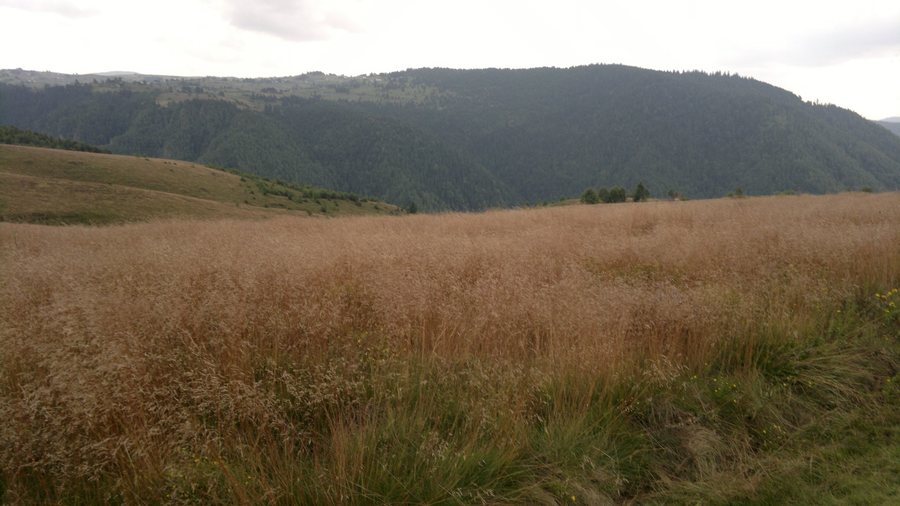
Râșca lies on the northern side of the Apuseni Mountains, more precisely in the Gilău Mountains, between the Someșul Cald and the first tributaries of the Crișul Repede. The commune is characterized by rounded mountain ridges and smooth, partly gently undulating highlands that contrast with deeply cut valleys and steep slopes.
Nature and Hiking
Muncelul is a mountain in the vicinity of Râșca. The wider regional surroundings of Râșca include the mountains of Dâmbul Furnicarului, Dealul Crucii and Ureasa. Valea Fericirii is a section of the valley that crosses the commune of Râșca and extends for approximately 40 kilometers in the north of the commune.
A circular hiking trail in the commune of Râșca is approximately 12.5 kilometers long and classified as easy. One circular hiking trail runs mostly through the territory of the commune of Râșca, passes through a section of the Someșul Cald Gorge and then climbs towards Dealul Mare in Râșca. The circular trail also crosses the ridge of Dealul Pietrelor and includes six consecutive viewpoints.
The Fântânele–Gorge Entrance circular trail is marked with red dots, takes four hours and is rated as low difficulty. The Fântânele–Iancului Cross trail has blue-dot markings, takes two hours and is also rated as low difficulty. Hiking is possible on marked trails in the commune of Râșca, and there are further opportunities for hiking around the Fântânele resort.
The Fântânele resort has a ski slope as well as opportunities for water sports on the lake, using boats or pedal boats. The different trail markings, durations, lengths and difficulty ratings provide various details for planning your own day.
Culture and History
The Mănăstirea Râșca Transilvană Monastery is located at an altitude of approximately 1,200 meters in the Apuseni Mountains, near the Beliș-Fântânele Dam. It is situated within the administrative territories of the communes of Râșca and Călățele, near Lake Fântânele-Beliș. The monastery’s monumental church was built between 2003 and 2018, follows the classical forms of the Moldavian style and features Neo-Byzantine frescoes created using the fresco technique.
Râșca is one of the stops on Cluj County’s wooden churches route. The school in Râșca de Sus was converted into a museum and is protected as national cultural heritage. The museum is housed in a traditional wooden building approximately 100 years old, with carved beams; wooden benches, drawings on the walls, schoolbooks and exercise books have been preserved there.
The wider regional surroundings of Râșca include Biserica Ortodoxă Luna de Sus, Biserica Reformată Luna de Sus, Biserica Nădăşelu and Biserica Finişel; all four are churches. The wooden church in Cristești already existed in 1862, was moved to the hill because of the sharply rising water level and brought to the village in 1974.
In Garda in Râșca, there is a currently inactive quartz mine where work was carried out for more than 20 years. The rocky, difficult-to-access site of Șoimul in a forest served as a hiding place for young men who refused to go to war. Traditional activities in the commune of Râșca include agriculture, livestock farming, woodworking and agrotourism. Râșca is also associated with authentic local costume and folklore traditions.
To the main travel overview: Rasca.

