
Discover Vălenii: Churches and History
Accommodation in Vălenii
Vălenii combines historic place names with medieval churches and a specific location on the E60. The different dates and churches offer points of reference for considering the place in light of your interests; road connections and the distance to Târgu Mureș help you get your bearings.
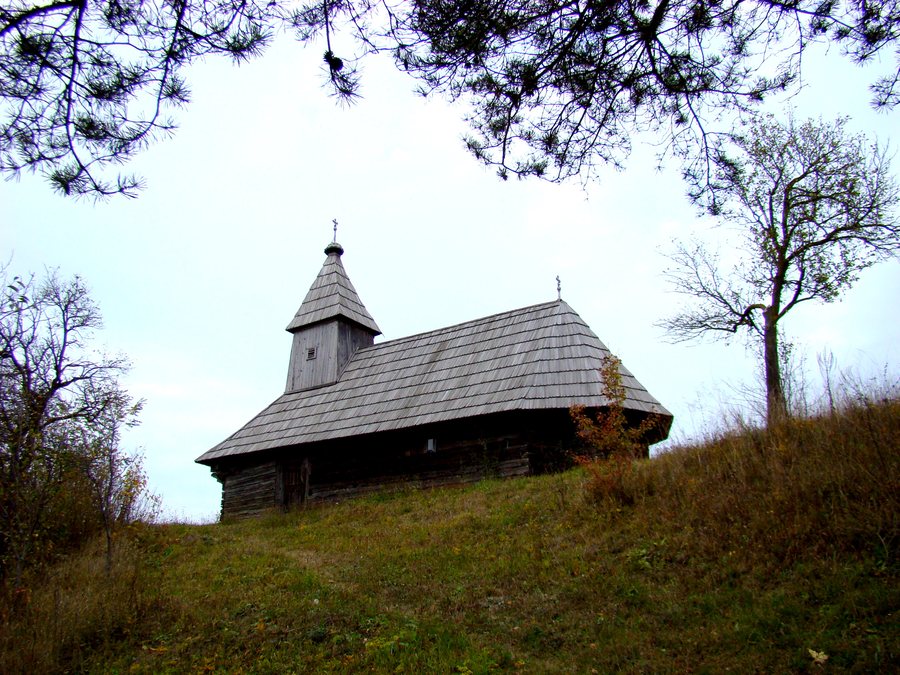 File:Biserica de lemn „Sf.Nicolae” din Vălenii.jpg
Photo: Țetcu Mircea Rareș via Wikimedia Commons, CC BY-SA 4.0
Vălenii at a glance
- In 1332, Vălenii is mentioned under the name Vaya.
- A register from 1567 lists Waya and nine households.
- The medieval necropolis is dated to the 13th–14th centuries.
- The Reformed church was built in the 13th century; the Orthodox wooden church Sf. Nicolae dates from 1696.
- Vălenii lies on the E60 between Acăţari and Găieşti, 16 km from Târgu Mureș.
What historical traces shape the place?
The two name forms Vaya and Waya come from different centuries: Vaya appears in a reference from 1332, while Waya appears in a register from 1567. The register also lists nine households. There are 235 years between the dates; the different spellings and the specific number of households provide two distinct historical reference points for Vălenii.
The necropolis of Vălenii offers another time frame and is dated to the 13th–14th centuries. The Reformed church is documented as dating from the 13th century. The two dates can be considered side by side: the necropolis dates as late as the 14th century, while the church is attributed to the 13th century.
What churches and cultural objects are there?
The Reformed church of Văleni was built in the 13th century. It is associated with the historical claim that it survived battles against the Ottoman Empire and the Tatars. The church is one of the tourist attractions in Acăţari commune; this makes it a key reference point for travelers interested in the history of the place.
Details of the church’s furnishings have also been recorded: the small bell of the Reformed church bears the inscription “O Rex glorie venicum pace 149”. The church’s recorded cultural objects also include a silver chalice from 1642. The inscription and the chalice offer distinct, specific points of reference when exploring the history of the church building.
Another religious attraction is the Orthodox wooden church Sf. Nicolae, which dates from 1696. It is listed as a protected historic monument. A Greek Catholic church also stands on the opposite slope from the Reformed church. Taken together, the place references mention Reformed, Orthodox, and Greek Catholic churches. The wooden church was built several centuries after the Reformed church; the two dates therefore offer a clear comparison over time.
How can you assess the location when looking for accommodation?
Vălenii lies on the European route E60 between Acăţari and Găieşti. Communal roads connect the place with Roteni, Gruişor, and Corbeşti. The stated distance to Târgu Mureș is 16 km. These three location references—the E60, the communal roads, and the distance—help you get your initial bearings in Vălenii.
If you are considering Vălenii as a place to stay, you can compare these details with your own destinations. The road connections and the distance answer different questions about orientation; when choosing a hotel, it is therefore important to consider which location suits your personal plans. The historic churches and the necropolis also offer a cultural focus around which to plan your interests during your stay.
FAQ
What historical names are used for Vălenii?
Vălenii is mentioned as Vaya in 1332 and as Waya in a register from 1567. The register lists nine households.
Which centuries do the two churches date from?
The Reformed church was built in the 13th century. The Orthodox wooden church Sf. Nicolae dates from 1696.
How far is Vălenii from Târgu Mureș?
The stated distance is 16 km. Vălenii also lies on the E60 between Acăţari and Găieşti.
To the broader travel overview: Comuna Acățari.

