
Gîlgău: Roman traces, mountains, and regional culture
Accommodation in Gîlgău
Gîlgău combines a precisely identified UNESCO connection with historic buildings, regional food, and a landscape of mountains and hills. Gâlgău – Șaua Dealul Arsurei is UNESCO World Heritage component 1718-150 of “Frontiers of the Roman Empire – Dacia”. This establishes not only the place name but also its exact classification within the World Heritage site.
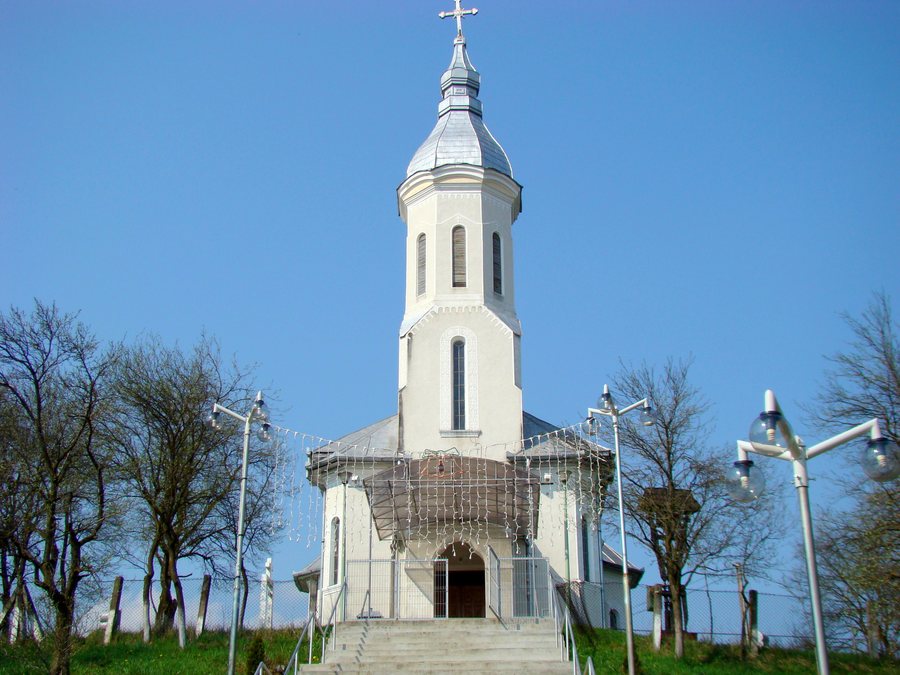 File:Biserica Biserica Pogorârea Sfântului Duh din Gâlgău (2).jpg
Photo: Țetcu Mircea Rareș via Wikimedia Commons, CC BY-SA 4.0
File:Biserica Biserica Pogorârea Sfântului Duh din Gâlgău (2).jpg
Photo: Țetcu Mircea Rareș via Wikimedia Commons, CC BY-SA 4.0
Culture
A single structure adds a specific historical trace to this overarching World Heritage entry. The Roman tower near Gâlgău – Casa Popii is dated to the 2nd to 3rd century AD. The two details can therefore be read separately: the UNESCO component identifies the entry, while the tower, with its dating, identifies a single structure and a timeframe. This creates a clear distinction between the overarching cultural heritage and the specific historic object.
Everyday life
The history of the place also includes a look at its food. Traditional staple foods in Gâlgău included cornmeal, milk, cheese, and vegetables. These four components form a distinct regional reference alongside archaeology, buildings, and landscape. The information about the foods broadens the cultural perspective without equating the cuisine with the UNESCO entry or the Roman tower.
Landscape
The landscape can be differentiated according to the types of objects and geographical relationships mentioned. Dealul Vimii is a mountain in the vicinity of Gâlgău. Prisnelul is a mountain in the wider regional surroundings of Gâlgău. Breaza is a mountain in the wider regional surroundings of Gâlgău. Vârful Runcului is a hill in the wider regional surroundings of Gâlgău.
This means that two different ranges of spatial classification apply: Dealul Vimii is located nearby, while Prisnelul, Breaza, and Vârful Runcului are assigned to the wider regional surroundings. In addition, Vârful Runcului differs from the three named mountains because it is a hill. These distinctions keep the landscape information precise and avoid using a single designation for elevations classified in different ways.
Geographical location
The religious buildings likewise belong to the wider regional overview, rather than to a common group of objects with the mountains. Mănăstirea Strâmba is a monastery in the wider regional surroundings of Gâlgău. Biserica Sfinţii Arhangheli is a church in the wider regional surroundings of Gâlgău. Biserica Sfântul Nicolae is a church in the wider regional surroundings of Gâlgău.
The three names add different types of religious buildings to the historical orientation. The monastery and the two churches each remain independent destinations; their shared geographical classification is the wider regional surroundings of Gâlgău.
When comparing hotels in Gîlgău, travelers can consider travel dates, room category, and cancellation conditions as separate details.
Getting there
A separate route description is available for transport information. The Căşei–Gâlgău section of the national railway network is 6 km long. This distance describes the section and should not be equated with the geographical range of the named mountains, churches, or monastery.
For the overarching travel overview: Galgau.

.jpg)