
Salaj: Hotels and accommodations
Accommodation in Salaj
The Botanical Garden of Jibou was founded in 1968 on the initiative of Professor Vasile Fati. In 1970, it became an independent institution and served the purpose of public environmental education. Covering an area of 25 ha, the garden is located within the Wesselenyi Ensemble.
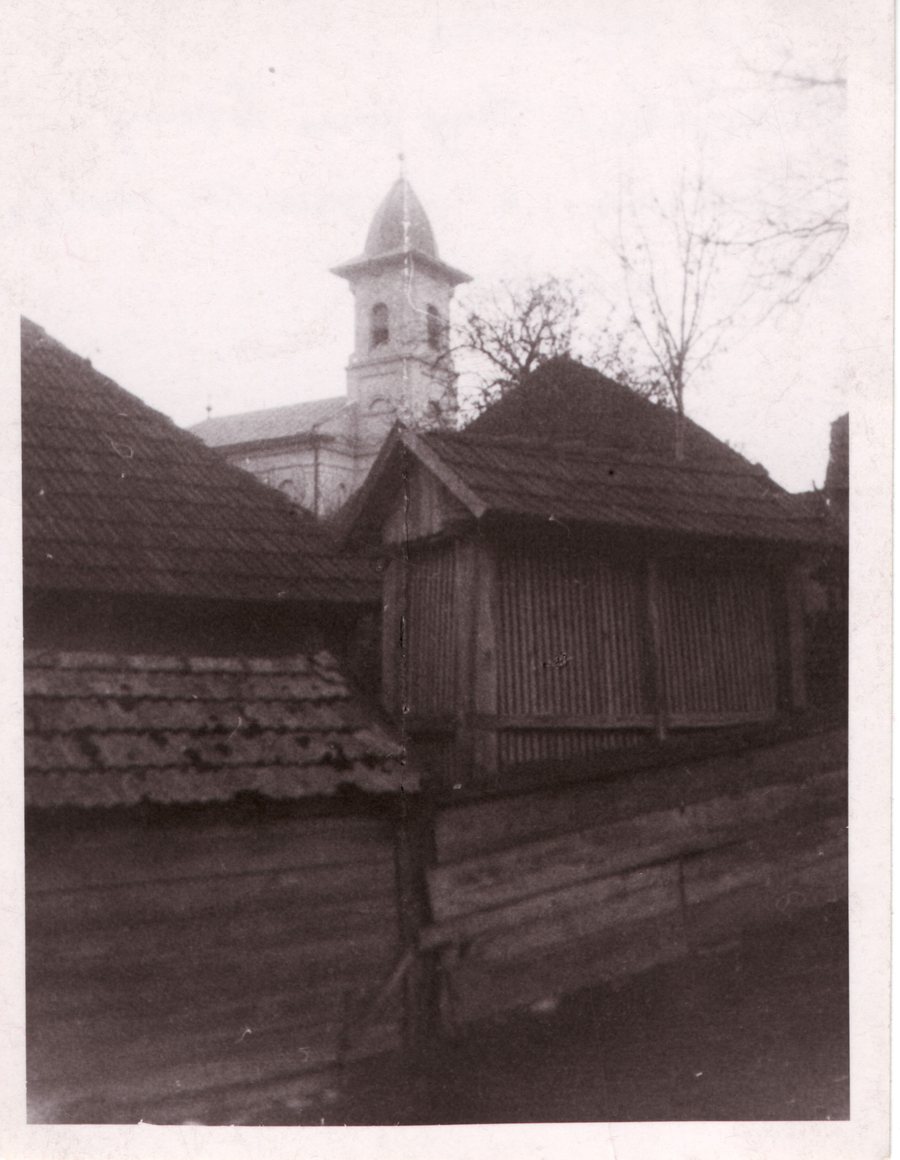 File:Church in Treznea, Salaj County, Romania - November 1940.jpg
Photo: Dr. Kerényi János via Wikimedia Commons, CC BY-SA 2.5
File:Church in Treznea, Salaj County, Romania - November 1940.jpg
Photo: Dr. Kerényi János via Wikimedia Commons, CC BY-SA 2.5
Anyone planning a trip to Salaj wants to book a hotel that fits their travel budget.
Nature
The Tusa-Barcău Reserve covers 13.43 ha and belongs to the Natura 2000 network. The Tusa-Barcău area is a national protected area and a mixed nature reserve of the landscape and forest type within the administrative territory of the village of Tusa. The reserve includes the Izbucul Mare and Izbucul Mic springs.
The water of Izbucul Mare forms small cascades and then a waterfall approximately 10 m high. Access to the Tusa-Barcău Reserve is via the Zalău–Crasna–Sâg–Tusa route on roads DJ191C/DJ191E.
Culture and history
In the center of Șimleu Silvaniei are the ruins of Báthory Castle, built in the 16th century. They represent the Renaissance architecture of Transylvania and consist of two fortified structures. The Báthory Fortress is a protected historical monument and was the residence of the Báthory noble family.
A local legend explains the three teeth in the Báthory family coat of arms with the story that Ștefan killed a dragon in his youth. The Holocaust Memorial Museum for Northern Transylvania opened in 2005.
Cetatea Almașului was built between 1247 and 1278. First mentioned in 1370, it was then given by King Louis the Great to the magistrate Bebek György, his sons Imre and Detre, and his grandsons György, László, and Ferenc. Cetatea Almașului is one of the oldest and strongest medieval fortresses in Transylvania.
Castelul Csáky is a historic building designed as a manor house in Almașu in Sălaj County. It was built by the Csáky family at the beginning of the 19th century and is registered as a historic monument.
Porolissum developed from a Roman military camp into a civilian settlement and was granted municipium status under Emperor Septimius Severus, who ruled from 193 to 211. The Castrul Roman de la Buciumi was built in 114 AD as part of the Roman defense system of Dacia Porolissensis. The Roman fort of Buciumi is now presented as a small open-air museum.
Archaeological excavations at the Castrul Roman de la Buciumi uncovered inscriptions, fragments of monuments, statuettes, weapons and military equipment, coins, lamps, and ceramic vessels.
Geographical location
In the vicinity of Sălaj are Dealul Bălanului and Vârful Cucului, both named peaks. Also nearby are Dumbrava Brebi, a named mountain, and Vârful Ţigla, a named peak.
In the immediate vicinity of Sălaj is the Biserica de Lemn Sfinţii Arhangheli Mihail şi Gavril, a named wooden church. Also located there are the Biserica Ortodoxă Nouă Brusturi, a named Orthodox church, the Biserica Baptistă Brusturi, a named Baptist church, and the Biserica Ortodoxă Lupoaia, a named Orthodox church.
Subareas in the destination:Bodia, Boghiş, Crasna, Galgau, Rus, Meseșenii de Sus, Gârceiu, Sânpetru Almașului, Sărmășag, Hida, Cuzăplac, Zalău, Sâg, Șimleu Silvaniei, Vălişoara.
To the main travel overview: Romania.

