
Cornu Luncii: Border History and Cultural Sites
Accommodation in Cornu Luncii
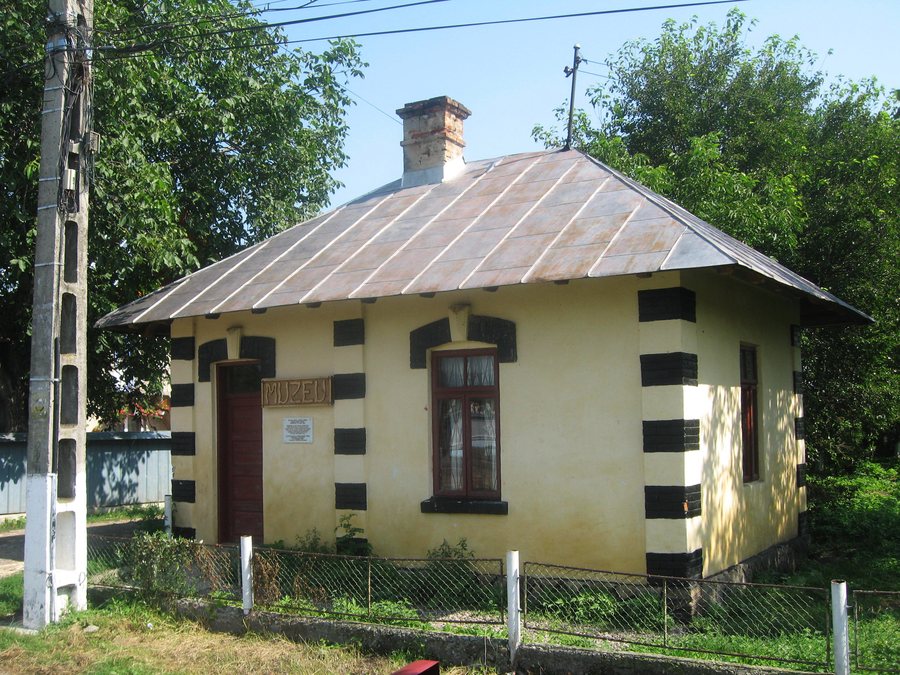
After the Habsburg annexation of northwestern Moldavia in 1774, which became known as Bukovina, Cornu Luncii was a border settlement. In November 1918, the village of Stănilești was the first place where Romanian troops entered to liberate Bukovina. A customs office was established on the Cornu Luncii estate on May 6, 1809; the former border guard post building is still preserved today.
History and Museums
The Muzeul Unirii in the commune of Cornu Luncii opened on November 6, 2018, and was established in a former border guard post building. A museum dedicated to the Great Union was established in the former Austrian customs building in the center of the commune. The Muzeul Unirii houses photographs and documents relating to Romania’s Great Union. The “Poarta Veșniciei Unirii” commemorates the entry of Romanian troops into Bukovina.
Historical Cultural Sites
The former Austrian customs building is a solid, single-story rectangular brick structure approximately 12 meters long and 4.5 meters wide. Until 1990, Cornu Luncii was known for the Topitoria de In și Cânepă flax and hemp processing plant, which was considered one of the most productive facilities of its kind in Romania. The Biserica Veche is a historic wooden church dedicated to Saint Nicholas.
Memorials and Literature
The Panteonul Eroilor is dedicated to the 346 heroes from the commune of Cornu Luncii who died in the two world wars, the Revolution and foreign deployments, and is located in the center of the commune. Ceremonies were also held there as part of Heroes’ Day.
In Păiseni, the Casa Memorială Ion Grosaru houses personal belongings, the military uniform, decorations and books of the poet hero. A poetry festival was held in honor of the poet hero Ioan Grosaru at his monument. A literary and artistic program takes place there every year; it is also home to the Festivalul de poezie “Ioan Grosaru”.
Tradition and Experiences
At the “Satul românesc de altădată” in Sasca Nouă, children could see sheep, ponies, roosters, peacocks and rabbits, as well as old agricultural equipment. The site was designed as a place where tourists can discover the way of life of their grandparents and great-grandparents, taste traditional products and see former crafts being practiced.
At the Festivalul Produselor Tradiționale, traditional homemade dishes such as sarmale, lamb stew, cheese pies, zacuscă and traditional meat products were offered. Local and already established artists performed there; the festival reached its seventh edition.
You can compare the sites and programs according to your own interests: museums and historic buildings are complemented by memorial sites, literature, traditional products, animals and former crafts. Event formats can be incorporated into your planning separately from museums, historic buildings and memorial sites.
When comparing a hotel in Cornu Luncii, travel dates, room category and cancellation policies are suitable common points of comparison. You can check these details side by side on the respective offer pages.
Geographical Context
National road DN 2E crosses the commune of Cornu Luncii from west to east and connects the Gura Humorului–Fălticeni area. The protected area also extends across the territory of the commune of Cornu Luncii.
For the higher-level travel overview: Comuna Cornu Luncii.

