
Straja between Church Art and Mountain Landscapes
Accommodation in Straja
Straja lies at the northern foot of the Obcina Mare. The upper course of the Suceava River runs through the commune.
 File:RO CJ Biserica de lemn din Straja (1).jpg
Photo: Țetcu Mircea Rareș via Wikimedia Commons, CC BY-SA 4.0
File:RO CJ Biserica de lemn din Straja (1).jpg
Photo: Țetcu Mircea Rareș via Wikimedia Commons, CC BY-SA 4.0
Culture
The Biserica Parohiei Straja I “Adormirea Maicii Domnului” was built between 1867 and 1870; its iconostasis was painted by Epaminonda Bucevschi.
The “Case tradiționale Straja” comprise numerous shepherds’ houses with four-sided shingle roofs. In Straja, furriery is one of the old traditions. Woodworking in all its forms, needed for construction purposes, is also one of the activities carried out by the residents of Straja. The “Trăistuța de la Straja” is an authentic element of Straja’s traditional costume culture.
At the Muzeul Satului Bucovinean in Suceava, the “Gospodărie Straja” ensemble comprises folk-architectural objects that were each transferred independently from different homesteads and originally came from the Straja area. Those who do not want to limit culture to a single building can view architecture, costume elements, and traditional crafts separately here.
The cultural references therefore represent different forms: a sacred building, traditional residential architecture, craft activities, an element of traditional costume, and a homestead ensemble presented in a museum.
History and Traditions
The Straja halt on the Rădăuți–Brodina railway line was inaugurated on July 7, 1889. The former railway connection is therefore also one of the clearly identified historical reference points of the locality.
“Floriile la Straja” is associated with the last Sunday of Lent and includes exhibitions of decorated eggs, traditional costumes, and local handicrafts as well as handicraft objects from the surrounding areas.
The fixed association of “Floriile la Straja” with the last Sunday of Lent gives this tradition a different temporal framework from the historical railway reference, with its precisely stated inauguration date.
Straja combines church art, traditional crafts, historical reference points, and paths through the mountain landscape.
Landscape
Near Straja, the Mănăstirea Sfântul Daniil Sihastrul monastery is located at an altitude of 1,100 meters in a mountain meadow of the Bucovina Obcini. The altitude, river course, and mountain foothill mark different geographical reference points.
Paths
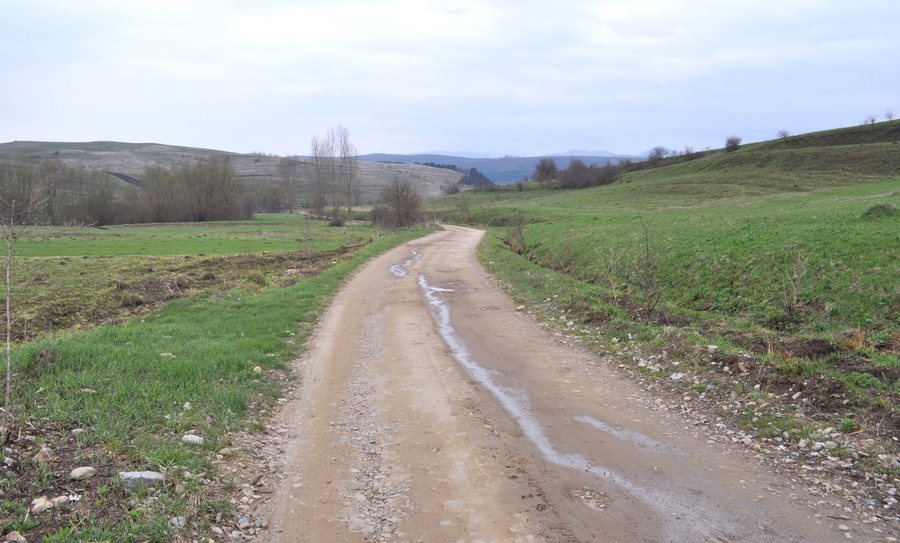
The hiking trail from Straja to the Schitul Daniil Sihastrul hermitage begins on the road leading to the former Straja railway station. A forest path behind Straja railway station leads through the commune of Straja to the Mănăstirea Sfântul Daniil Sihastrul monastery.
The final 2 km of the forest-road access to Mănăstirea Sfântul Daniil Sihastrul can only be covered by off-road vehicle or on foot.
The hike from the crossing over the Suceava River to Schitul Daniil Sihastrul takes one hour and 30 minutes.
The route information differs in terms of destination, starting point, duration, and the means of transport specified for the final two kilometers; together, these describe different practical features of the route.
For hotel offers in Straja, travel dates, room category, and cancellation policies can be considered different conditions of a stay. They concern the intended period, the type of room, and the conditions for a possible change or cancellation. For budget-conscious travelers, these details remain separately comparable.
For the broader travel overview: Straja Commune.

.jpg)