
Tutova: Nature Reserve and Moldovan History
Accommodation in Tutova
Tutova combines the protected Pădurea Bădeana woodland with archaeological, ecclesiastical, and railway-history traces. Between medieval and modern-era settlement sites, Orthodox tradition, and a historic railway connection, it offers a visitor experience in which nature and Moldovan local history are closely intertwined.
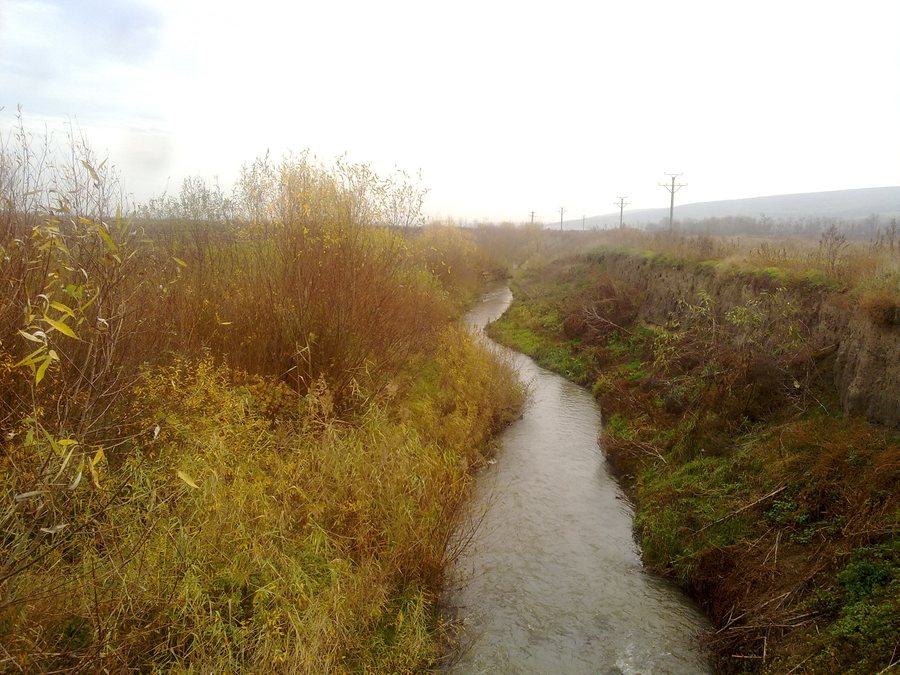
Nature
The ROSCI0133 Pădurea Bădeana Natura 2000 site almost entirely encompasses the RONPA0794 Pădurea Bădeana national nature reserve. The Natura 2000 site covers 58.60 hectares. Pădurea Bădeana is a national nature reserve in IUCN Category IV and is classified as a forest and botanical nature reserve.
The protected features of Pădurea Bădeana include the fire-bellied toad (Bombina bombina). This amphibian and reptile species is listed in Annex II of Directive 92/43/EEC. Thus, forest protection, botanical classification, and a specifically identified animal component coexist within the same protected area.
Geographical Setting
Pădurea Bădeana lies between Bădeana to the east and Pogonești to the west, in the immediate vicinity of national road DN 24. As a botanical protected area, Pădurea Bădeana is considered suitable for excursions. A tourist route in Vaslui County runs from Bârlad via Tutova(Bădena), Bogdăniţa, and Fruntişeni to Zorleni.
The established route sequence begins in Bârlad and ends in Zorleni. Tutova(Bădena), Bogdăniţa, and Fruntişeni lie in between; along this described route, Pădurea Bădeana forms an independent nature destination with forest and botanical protection. When preparing for tourist routes, current route conditions and traffic information are part of the preparations before departure. The established sequence describes the route, not necessarily current traffic conditions. Nature excursions require up-to-date information on route conditions.
History and Archaeology
The Aşezarea de la Bădeana-Lot 1-5 (Valea Ţaga) site encompasses a medieval settlement area from the 15th century. Aşezarea modernă de la Tutova - Lot 1-1 is a second archaeological site and a settlement site from the 19th century. The two sites therefore belong to different historical periods.
Tutova is an old Moldovan settlement from the feudal period during the reign of Stephen the Great. According to local tradition, the first human settlement was a kind of inn belonging to the boyar Costăchescu. This account supplements the archaeological settlement traces with a traditional origin story of the place.
Church and Local Tradition
The church of Parohia Ciortolom is Orthodox and dated to 1864. In Bădeana, the local place known as “La Stejări” is associated with an oak tree that is centuries old. People gather beneath its shade to pray and light candles. Church visits can be prepared by checking current opening hours; the year 1864 remains a historical date.
Railway History
Railway development in the area around Tutova is associated with a provisional station built around 1881. A later station replaced the old one in 1910. The two years mark a sequence in local railway history and supplement the older settlement and church histories with a transport theme. Historic railway stations establish the chronology of development, while current train timetables must be checked independently.
For the broader travel overview: Comuna Tutova.

