
Discover Saint Petersburg
Accommodation in Saint Petersburg
Those choosing Saint Petersburg for a stay will encounter a city whose character is shaped by waterways, urban planning, and distinctive buildings. The following topics can help you tailor your trip to architecture, urban history, or cultural attractions.
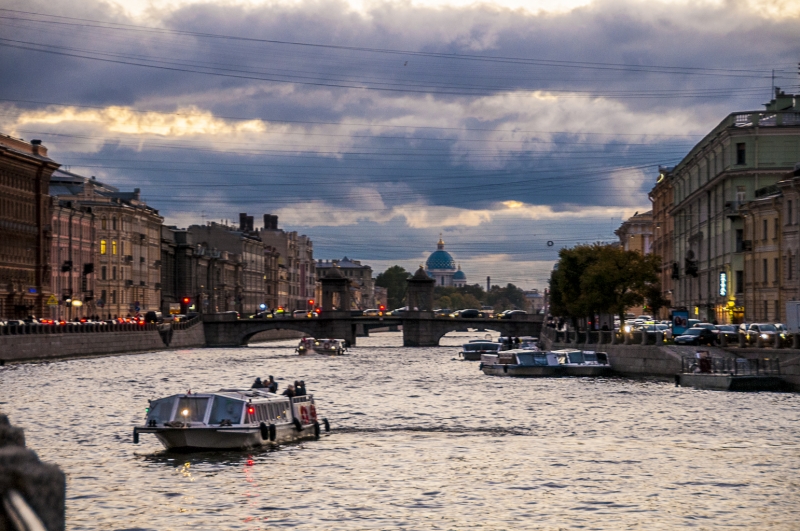
Saint Petersburg at a glance
Saint Petersburg’s cityscape rises from the Neva estuary, where the river meets the Gulf of Finland. Urban planning began in 1703 under Peter the Great; the cityscape includes numerous canals and more than 400 bridges. UNESCO describes Saint Petersburg as the greatest urban-planning achievement of the 18th century. Baroque and Neoclassical styles shape its architectural heritage.
How do water and urban planning shape the cityscape?
The Neva estuary, canals, and bridges offer a tangible way to explore the cityscape. The urban planning initiated in 1703 under Peter the Great is associated with a long history of urban development. UNESCO’s description of Saint Petersburg as the greatest urban-planning achievement of the 18th century also places the city in a historical context. If you are initially interested in the cityscape while planning your trip, you can consider these aspects alongside individual buildings.
What architecture and culture can you discover?
The Admiralty, Winter Palace, Marble Palace, and Hermitage illustrate Baroque and Neoclassical styles in Saint Petersburg’s architectural heritage. Palace Square adds a broader perspective beyond individual buildings: it is a UNESCO World Heritage Site and is considered a center of Russian culture and history. These places offer different points of interest if you are interested in architecture, cultural significance, or both.
The Fabergé Museum also offers a distinctive historical perspective. Its most famous pieces include nine Easter eggs made for Alexander III and Nicholas II, the last Russian emperors. The Fabergé collection is housed in the Shuvalov Palace in Saint Petersburg. If you want to include decorative arts and the history of the imperial era in your trip planning, you will find a specific collection focus here.
What historical topics do the fortress and museums explore?
Founded by Peter I in 1703, the Peter and Paul Fortress is a monument to fortification architecture from the 18th to the 20th centuries. The Commandant’s House contains a museum on the city’s history in the 18th and 19th centuries. The Trubetskoy Bastion houses an exhibition about the prison where political prisoners were held. Together, the fortress architecture, city history, and history of the prison offer a range of themes for a culturally and historically focused stay.
Temporary exhibitions, guided tours, concerts, festivals, and other events take place at all branches of the State Russian Museum, including the Summer Garden and Mikhailovsky Garden. If you want to plan around a particular event, check its date in advance. The city was later known as Leningrad in the former USSR and is closely associated with the October Revolution; this historical context complements visits to museums and historic sites.
What historic places are there in Kronstadt?
Kronstadt also offers specific points of interest for those interested in cultural history. The Museum and History Park “Fort Island” is part of Kronstadt’s new historical and cultural cluster. Catherine Park, formerly Soviet Park, is in the city center. It runs from Gostiny Dvor along the Obvodny Canal and Sovetskaya Street, past the Naval St. Nicholas Cathedral.
Then compare the location of the specific accommodation with the places you plan to visit.
Discover more destinations: Saint Petersburg, Pushkin, Sestroretsk, Repino, Lomonosov, Levashovo, Gorod Sankt-Peterburg, Pontonnyy, Olgino, Aleksandrovskaya, Volodarskaya, Metallostroy, Gorelovo, Kolpino, Solnechnoye, Molodyozhnoye, Lakhta, Lisy Nos, Pavlovsk, Pesochny, Strelna, Pargolovo, Komarovo, Zelenogorsk, Kronstadt.
FAQ
Which architectural styles shape Saint Petersburg’s architectural heritage?
Baroque and Neoclassical styles can be seen, among other places, at the Admiralty, Winter Palace, Marble Palace, and Hermitage.
What can you learn about the city’s history at the Peter and Paul Fortress?
The museum in the Commandant’s House covers the city’s history in the 18th and 19th centuries. The Trubetskoy Bastion focuses on the prison for political prisoners.
What events take place at the branches of the State Russian Museum?
These include temporary exhibitions, guided tours, concerts, festivals, and other events. Check the relevant event dates when planning a specific visit.
What historic places are there in Kronstadt?
The Museum and History Park “Fort Island” is part of the new historical and cultural cluster. Catherine Park, formerly Soviet Park, is also in the center of Kronstadt.
Go to the main travel overview: Russia.
