
Banja Koviljača: Spa Park and Accommodation
Accommodation in Banja Koviljača
Banja Koviljača in Serbia is a spa town whose thermal water and peloid—also known as healing mud—are part of its local character. The spa park, historic sulfur bath and Kur Salon offer different ways to experience a stay: walks, treatments or architectural history. When choosing a hotel, holiday home or holiday apartment, it is therefore worth comparing its actual address with your plans. The previous page made blanket promises of low-cost last-minute deals and pet-friendly and family accommodation; these features cannot be inferred from facts about the town for any specific listing.
Sulfur Bath and Spa Park
The wellness centre is located in the old sulfur bath, built in 1908. The services described include sulfur baths, healing mud, massages and saunas. This explains why some travellers look for accommodation with convenient access to this area. However, simply mentioning treatments does not imply a medical benefit for any particular person, current appointment availability, or that any service is included with an accommodation. If the wellness centre is the main reason for your trip, check treatments, access and appointments directly with the centre.
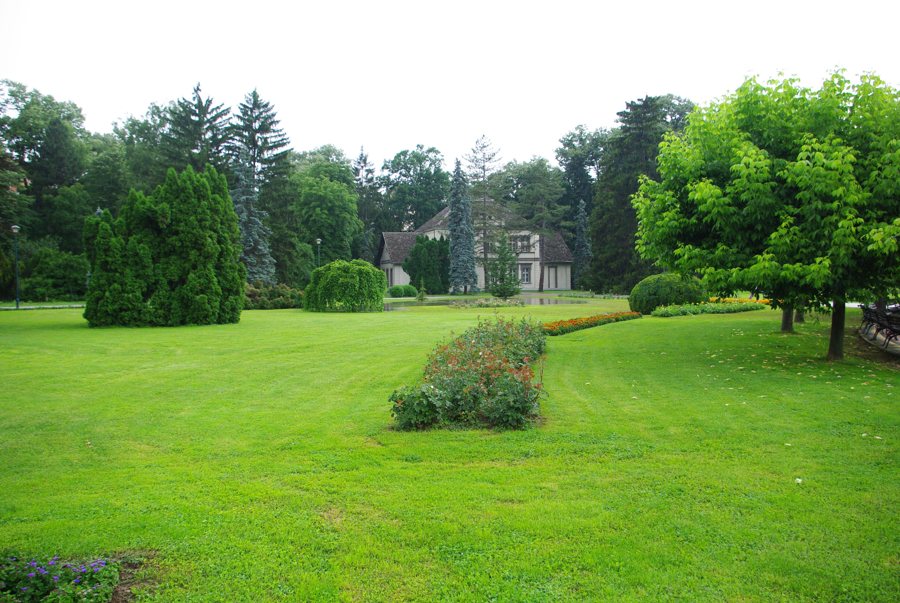
The large spa park was designed on the model of Western European parks and is protected by the state as a natural monument. This makes it a reason in its own right to explore the town beyond individual treatments. Its design history and protected status are separate aspects: the first describes a historical style, while the second is the park’s current legal status. For a walk, stick to designated paths and take actual local conditions into account; protected status should not be taken as a blanket indication that every area is open to the public.
The Kur Salon and the Town’s Spa History
The Kur Salon was built in 1932 and was intended for entertainment from the time it opened. According to the town’s tourist history, the first casino in the Balkans opened there. This historical classification describes a former use, not a casino operating today. The building is of interest to visitors as part of the spa town’s history; interior access, events and current use should be checked separately.
The 1908 sulfur bath, the later Kur Salon and the landscaped park represent different periods and layers of use. Someone more interested in architecture will plan their day differently from someone with booked treatments. Either way, the location of accommodation may matter: the town’s name alone does not indicate whether a specific property is near the places you want to visit or how to get between them.
Include the Mountains in Your Wider Stay
Near Banja Koviljača are Mount Kam, the peaks of Crni Vrh and Kokloča, and Mount Gučevo. These geographic names offer another perspective on the region, but they are no substitute for a verified hiking guide. The available information about the area does not provide reliable walking times, signposted starting points, elevation gains or difficulty ratings for trips from Banja Koviljača. If you are planning a day in the mountains, choose a specific route first, then compare whether the accommodation is a suitable base.
The same applies to trips with several interests: you can plan a visit to the spa park as an outing in its own right, while a mountain hike requires additional route and transport information. An interest in nature and access to spa services are therefore not interchangeable accommodation criteria. The overview of Mačva District places Banja Koviljača in its regional context. Individual hotel, holiday apartment and holiday home listings show prices, available dates and actual amenities; the name of the spa town alone does not establish any of these details.

