
Serbia between the Danube, mountains and medieval art
Accommodation in Serbia
Landscapes from the river to the mountains
Đerdap National Park is home to more than 1,000 species and subspecies of herbs. Đerdap offers views of the deepest gorge in Europe. The slopes of Fruška Gora offer views across the rolling Pannonian Plain. The endemic Serbian spruce (Picea omorika) grows on Mount Tara. Šar Mountain is known for its glacial lakes. Resava Cave is estimated to be 80 million years old. Lukovska Banja spa has more than 30 thermal mineral springs.
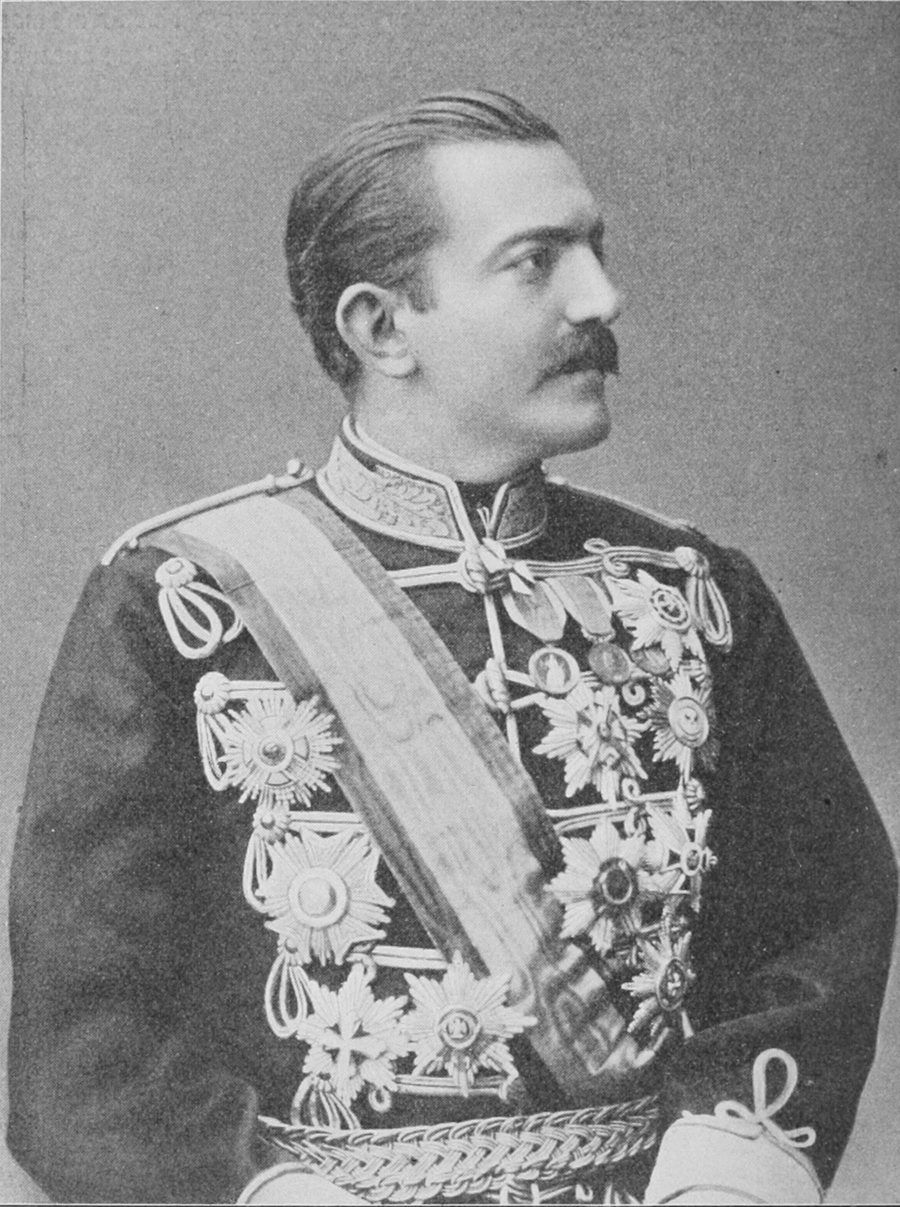 File:Rey Milan I de Serbia (Das Königreich Serbien und das Serbenvolk).jpg
Photo: Kanitz, Felix Philipp, 1829-1904; Jovanovic, Bogoljub via Source, Public domain
File:Rey Milan I de Serbia (Das Königreich Serbien und das Serbenvolk).jpg
Photo: Kanitz, Felix Philipp, 1829-1904; Jovanovic, Bogoljub via Source, Public domain
Hiking, water and winter
Serbia’s fast-flowing rivers, which run through steep gorges, are ideal for exploring by kayak or raft. Serbia’s mountain regions offer opportunities for skiing and snowboarding in winter. The most valuable area of Stara planina is designated as a Category I nature park. The Babin zub peak on Stara planina can be reached via a hiking trail. Fruška Gora has several adapted trails. Hiking in Serbia offers the opportunity to experience natural beauty and impressive views, as well as discover cultural and historical treasures.
Monasteries and medieval art
Studenica Monastery is the largest and richest of Serbia’s Orthodox monasteries. The Church of the Virgin Mary and the King’s Church at Studenica Monastery preserve collections of Byzantine paintings from the 13th and 14th centuries. The frescoes in the monastery church at Sopoćani date from approximately 1270 to 1276 and are among the most significant works of Byzantine and Serbian medieval art. Stari Ras and Sopoćani comprises four separate components in the Raška region in southern Serbia.
Roman traces and museums
Gamzigrad-Romuliana is a late antique Roman palace and memorial complex built in the late 3rd and early 4th centuries. Viminacium was a former military camp and preserves an aqueduct and sarcophagi. The Roman city of Justiniana Prima features remains of basilicas, an aqueduct and streets with colonnades. The Museum of Vojvodina has more than 400,000 exhibits covering the 40,000-year history of Serbia’s northern province. The National Museum in Belgrade preserves archaeological, art-historical and numismatic artefacts representing Serbia’s multicultural heritage.
Arriving by road and water
Serbia is connected by numerous bus services with all neighbouring countries, as well as with cities in Central and Western Europe. The Danube, Pan-European Transport Corridor VII, carries thousands of tourists every year along its route from its source in Germany to the Black Sea.
Regional cuisine and festivals
The Oplenačka berba grape harvest has been held for more than a century and combines wine, food and folk art. Zlatarska siroma is produced in the area around Mount Zlatar as a full-fat white cheese made from cow’s or sheep’s milk. Pirotska peglana kobasica is made from lean cuts of meat. Kajmak is traditionally served with freshly baked bread or Kačamak.
Regions for further orientation
For regional orientation, the relevant areas include Central Serbia, Vojvodina, Srem District, Bor District, Braničevo District, Podunavlje District, Kolubara District and Nišava District.

.jpg)