
Termiz: Ancient Sites, Museums and Regional Culture
Accommodation in Termiz
Termiz and its surroundings preserve historical sights associated with Zoroastrianism, Nestorianism, Buddhism and Islam.
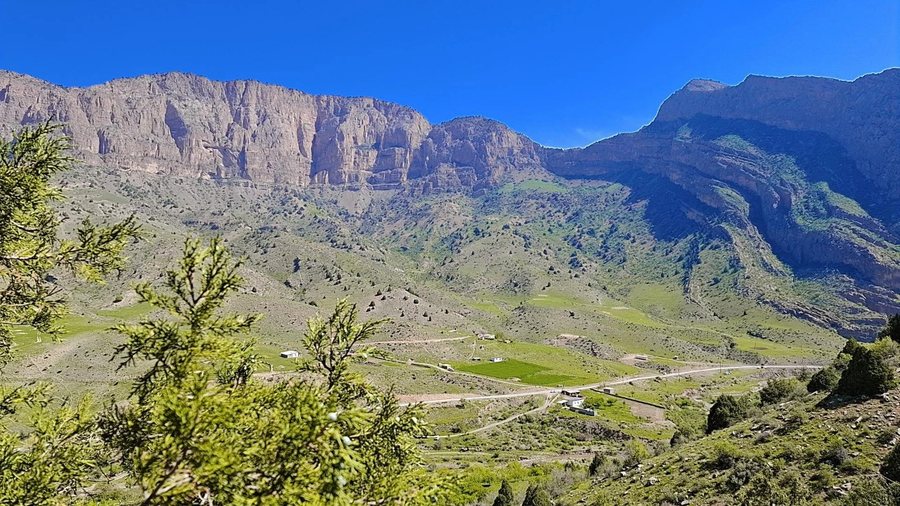
Landscape and Cuisine
Termiz is known for its scenic landscapes and proximity to the Amu Darya; together, these create a quiet and tranquil atmosphere. Cafés and restaurants in Termiz serve traditional dishes from Surxondaryo. These include shurpa, kazan kebab and the dish locally known as “kuy gosht”. When planning your day, you can consider the landscape, museum visits and regional cuisine as different focuses alongside one another.
Museums and Religious Sites
The Termiz Archaeological Museum presents more than 40,000 archaeological artefacts and historical objects in 10 halls, covering the history of the Kushan Empire, Hellenistic culture, ancient Bactria, and the Stone and Bronze Ages.
The Surkhandaryo Regional Museum of Local History was founded in 1934 and has a library with 14,000 works on the works of scholars from Termiz as well as on ethnography, fine art, folk art and the region’s nature. The museum also displays more than 60,000 exhibits relating to the region’s heritage.
The Hakim at-Termizi complex combines a domed mausoleum and a memorial mosque with the ancient Chillahona cave complexes from the 5th to the 10th century AD, the ruins of the ancient city of Tarmita, ancient Termiz, and a museum of Termiz and its surroundings. The Sultan-Saodat ensemble on the outskirts of Termiz includes tombs associated with the Termiz Sayyids.
A temple dedicated to Saint Prince Alexander Nevsky was built in the city of Termiz in 1901. The temple has a bell tower and an iconostasis and contains icons and ecclesiastical objects. The Khanaka Kukildor-ota building contains numerous tombstones as well as the burial site of the Muslim saint Kukildor-ota. Khanaka Kukildor-ota was built in the mid-12th century.
Ancient Sites
Qoratepa is a Buddhist temple complex on the northwestern edge of ancient Termiz, with above-ground and cave structures. In the northern part of Qoratepa there is an above-ground temple with a large mortar structure.
The monumental Buddhist structure of Zurmala lies northeast of the fortress walls of Kushan Termiz. The Zurmala mortar had a diameter of 14.5 metres and once reached a total height of 16 metres. It dates from the 1st or 2nd century AD and is considered the largest of the known mortar structures in Central Asia.
The Buddhist temple complex of Fayaztepa is located within the territory of the ancient city of Termiz between the Amu Darya and an old caravan route. Fayaztepa comprised a temple, a monastery and a courtyard with utility rooms. Fayaztepa also has a small stupa with a round dome and a cruciform ground plan, where ritual ablutions were performed.
Kampyrtepa is an ancient ruined city of Bactria on the right bank of the Amu Darya, 30 kilometres from Termiz. The remains of a Buddhist temple can be seen at the Kampyrtepa site. Kampyrtepa comprises a lower city, a deep moat and a citadel; the lower city is protected by a strong fortress wall with rectangular towers.
The Kyrk-Kyz Fortress is dated approximately to the 9th or 10th century AD and was repeatedly rebuilt up to the 14th century.
Crafts and Regional Culture
The Termiz Ethnovillage was created as a cultural venue with modern infrastructure and presents the history, crafts and traditional art of Surxondaryo. At the Termiz Ethnovillage, visitors can buy handicraft products and watch artisans at work.
To the main travel overview: Surxondaryo Province.
More about the Destination
Relevant information for planning your trip:

