
Slovakia: Mountains, Cities and Carpathian Landscapes
Accommodation in Slovakia
Slovakia lies between Central Europe and the Carpathian region, making it a good choice for city breaks, nature trips and active holidays. When planning a trip to Slovakia, first decide what role the destination should play in your itinerary: starting point, part of a touring route, city base, nature stop or longer stay. This helps create an itinerary that works well on the ground instead of simply collecting a long list of place names.
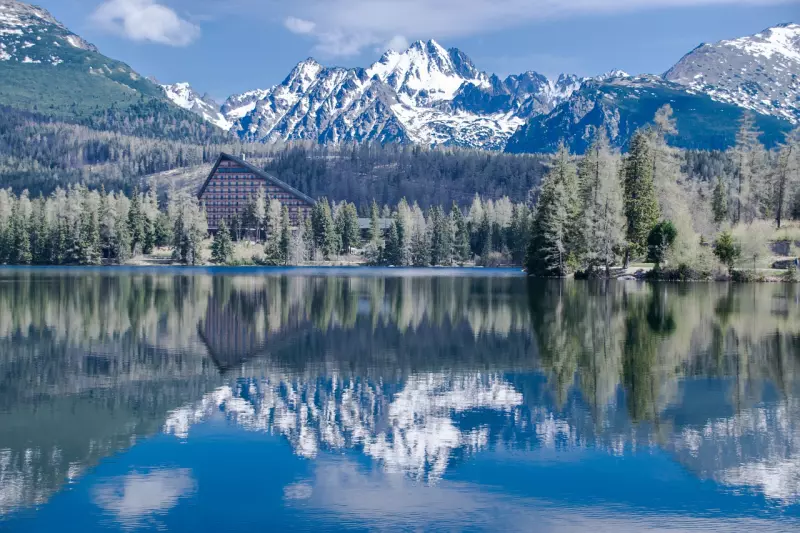 Die Slowakei ist ein Urlaubsland für Romantiker. Ursprüngiche Landschaften und Städtchen wie von Zuckerbaäckern gemacht laden ein.
Photo: Jiří auf Pixabay
Die Slowakei ist ein Urlaubsland für Romantiker. Ursprüngiche Landschaften und Städtchen wie von Zuckerbaäckern gemacht laden ein.
Photo: Jiří auf Pixabay
Overview and travel style
Bratislava, the High Tatras, castles, spa towns, caves, forests and historic towns are all found in this compact country. When planning, it is important to consider distances, border crossings, the time of year and transport options together. Especially between the Balkans, Central Europe and Central Asia, short distances on a map can take much longer to cover because of mountains, borders, timetables or poor connections.
Slovakia is particularly appealing to travelers who want to combine a city visit with time in the mountains. Realistic planning means choosing a few set stops and leaving time for travel between them. This helps with arrival days, longer bus or train journeys and regions where the weather, season or local holidays can change the day’s plans.
Cities, landscapes and culture
The old town, the Danube, towns in the Tatras, hiking trails, castles, caves and spa towns give a trip a variety of focuses. A well-planned itinerary combines popular places with quieter stretches. Capitals, historic centers, museums and markets provide a sense of orientation, while coastlines, mountains, rivers, lakes and spa towns change the pace and make a trip feel less packed.
Slovakia makes for a more rounded trip when Bratislava is combined with countryside and smaller towns. It is especially helpful to choose one clear focus for each day. A museum, a city district, a viewpoint or a stretch through the countryside will be more memorable than a schedule that tries to fit in too many stops in too little time.
Routes and combinations
Slovakia works well with Czechia, Poland, Hungary, Vienna and Carpathian routes. Bratislava Skiing in Slovakia Czechia The best combinations follow actual transport routes and connect neighboring areas with shared themes. A country page can help you sort through the options, but it does not replace checking specific routes, overnight stops and seasonal connections.
Train and road connections are useful along many routes, but mountain regions require careful planning of both the starting point and the return journey. For a tour, choosing two to four well-placed bases is often more comfortable than changing accommodation every day. From these bases, you can better combine excursions, city visits and nature destinations. If you are traveling by car, consider parking and road conditions; by bus or train, frequency, transfers and the return journey matter more than the straight-line distance.
When to go and practical tips
Summer and fall are well suited to hiking, spring to city breaks, and winter to selected ski areas. Spring and fall are often good for cities, touring routes and active days outdoors. Summer is especially suitable for the coast, lakes, long evenings and mountain regions, but accommodation and transport can be busier. In winter, short travel distances, museums, cafés, thermal baths and winter sports resorts become more important.
Before booking, check the latest entry requirements, timetables, opening hours, public holidays, local rules and weather conditions. For border areas, national parks, islands, mountain routes and historic sites, it is worth checking again shortly before your trip. A little flexibility in your daily schedule is not wasted time: it leaves room for spontaneous discoveries and breaks. When planning a stay in Slovakia, compare accommodation options with your main daily routes and allow for realistic breaks.
Experience Slovakia between city and mountains
Slovakia is particularly well suited to travelers who want to combine city visits with nature. Bratislava is easy to reach on the Danube, while the High Tatras, Carpathians, caves, castles and spa towns offer a very different travel experience. When planning, it is important not to underestimate distances: a weekend in Bratislava follows a different rhythm from a route through mountains and smaller towns. With more time, you can combine culture, hiking, thermal resorts and historic cities. It is also natural to compare Slovakia with Czechia and Hungary.
Planning a trip around cities, mountains and regions
Slovakia combines a city stay in Bratislava with mountain scenery, castles, spa towns and smaller historic places. These destinations call for different day plans. If you have only a few days, choose one main focus: city and culture, hiking and nature, or a tour with several regional stops. A clear focus prevents long transfers from taking up most of your travel time.
Bratislava makes an easy starting point because city sights, dining and transport can all be planned together. Onward travel to the Carpathians or the High Tatras makes accommodation, weather, equipment and the return journey more important. The distance on a map says little about how long the journey will actually take. Check timetables, road conditions and possible seasonal restrictions again for your travel dates.
The High Tatras and the Carpathians
A trip to the High Tatras should be planned according to your fitness level, the weather and the distance you want to walk. A stroll, a challenging hike and a stay with children do not have the same requirements. Trails, mountain railways, huts and protected areas may have their own rules and opening hours. A general description of the landscape cannot replace checking the latest information from the relevant authorities.
In the Carpathians and other natural areas, having a fixed base makes it easier to keep your daily plans flexible. If you want to visit several valleys or viewpoints, allow for the return journey and possible changes in the weather. Conditions in spring and fall can differ from summer; in winter, snow conditions, equipment and transport are especially important. For any specific outing, check the latest weather and local area information.
Castles and historic places complement a nature trip, but should not be treated simply as quick photo stops. Opening hours, guided tours, parking and the length of your visit determine whether a destination fits into the day. An itinerary with one main destination and a nearby additional stop is often more practical than a long list. Historical information can help with orientation, but essential details should be confirmed directly.
Thermal baths, culture and length of stay
Spa towns and thermal baths appeal to travelers who want to combine relaxation with exploring the region. Location, tranquility, opening hours and available services all matter. Before booking, check the current conditions at the facility. Families, couples and solo travelers may have different priorities, such as short distances, step-free access or convenient connections to places of interest.
The length of your stay should suit your route. A weekend can cover Bratislava or one regional focus. More time is useful if you want to combine the city, mountains and castles, so that every day does not consist of transfers and return trips. Whether traveling by train, bus or car, know your backup options and leave a buffer for delays or weather-related changes.
Current information and regional comparisons
Before departure, check the latest information on entry requirements, safety, transport, opening hours and events. Hiking trails, mountain railways, museums and castles may also become harder to access at short notice. For authoritative information, consult official agencies, transport operators and service providers. A travel guide can help structure your choices, but cannot guarantee current availability.
Comparisons with Czechia, Poland, Hungary and the Baltic states can help put the country in geographic context. The relevant pages show neighboring regions and different kinds of trips, but do not replace checking your specific route. By choosing accommodation and daily destinations according to location, arrival options and length of stay, you can plan a flexible and realistic trip to Slovakia.
Choose accommodation to suit your trip
In Bratislava, being close to key destinations and transport links is often convenient. In mountain regions, parking, weather protection, access to supplies and proximity to planned trails may matter more. For a touring route, do not choose daily stops based on straight-line distance alone. Accommodation in a clearly described location with clear terms makes it easier to adapt if an excursion is canceled or postponed.
A good plan therefore includes one main destination, an optional extra and a realistic return journey. This structure works just as well for cultural trips as for nature or thermal spa stays. It leaves room for breaks and means the trip does not depend on a single opening-hour or transport detail that could change at short notice.
For Slovakia, first decide what kind of trip you want: a compact city break, mountain scenery, a castle, a thermal spa or a family outing. Bratislava offers the Danube, an old town and urban history, while water parks in Slovakia offer a different focus. Comparisons with Czechia, Poland and Hungary are especially useful when planning a longer Central European route.
Between city and mountains, routes, travel times and length of stay should all work together. For days in nature, check the weather, local conditions and return route; for castles, museums, thermal baths and family attractions, check current opening hours and access. Nature and landscapes and Culture and history can help you decide what to include. Before booking, compare Getting there and getting around and Trip preparation with your specific accommodation and planned daily route.
Conclusion: planning your trip
Slovakia is a compact destination for travelers who want to combine cities, mountains and Central European culture. Planning around your interests makes it easier to find the right mix of well-known places, regional culture and quieter stretches. This turns an overview into a useful basis for a trip that works well in terms of time, theme and geography.
If you want to include a water park alongside cities and mountains, Tatralandia and water parks in Slovakia offer pools, slides and thermal baths for different kinds of trips. This makes it easy to fit in a water park day to suit the length of your stay and the weather.
