
Croatia: Adriatic, Islands and Cities
Accommodation in Croatia
Croatia combines the Adriatic coast, islands, historic towns, karst landscapes and inland regions. This makes the country suitable for beach holidays, cultural trips, nature experiences and road trips—but not every combination works well on a short trip. Choosing early between the coast, islands, cities and inland areas makes it easier to plan travel times and stays.
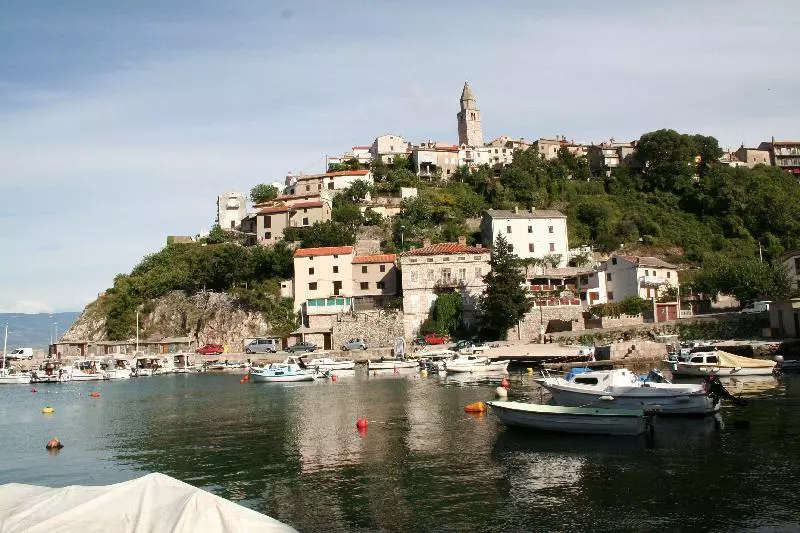 Kroatien Urlaub spielt sich überwiegend in den Küstenstädten und auf den vielen Inseln der Adria ab - das Hinterland bleibt wenig besucht.
Photo: Dago Wiedamann, www.go-kroatien.de
Kroatien Urlaub spielt sich überwiegend in den Küstenstädten und auf den vielen Inseln der Adria ab - das Hinterland bleibt wenig besucht.
Photo: Dago Wiedamann, www.go-kroatien.de
Croatia at a glance
- Istria, Kvarner, Dalmatia, Zagreb and Slavonia each have distinct landscapes and travel rhythms.
- Islands require extra time for ferries, waiting and return journeys.
- Historic coastal towns pair well with culture, regional cuisine and walks.
- National parks and mountain landscapes call for a different daily plan than beach resorts.
- In summer, roads, parking, accommodation and ferries can be busier.
- Check entry, transport, weather and opening information again before your trip.
- Istria, Kvarner, Dalmatia, Zagreb and Slavonia each have distinct landscapes and travel rhythms.
- Islands require extra time for ferries, waiting and return journeys.
- Historic coastal towns are easy to combine with culture, food and walks.
- National parks and mountain landscapes call for a different daily plan than beach resorts.
- In summer, roads, parking, accommodation and ferries can be significantly busier.
- Entry, transport, weather and opening information should be checked again shortly before your trip.
Istria, Kvarner and the northern Adriatic
Istria combines coastal resorts, port cities, rolling hills and historic inland towns. Staying on the coast is not automatically convenient for every excursion: short distances as the crow flies can take much longer on winding roads, in summer traffic or when looking for parking. If you want to visit several places, choose a few set excursions and allow plenty of time for the return journey.
The Croatian islands and Kvarner Bay have a different rhythm. Ferry schedules, taking a vehicle aboard, the weather and the location of your accommodation all determine whether a day trip makes sense. Rijeka offers an urban contrast to smaller coastal towns as a port and transport hub, while Opatija is more associated with its promenade and coastal stays.
Dalmatia and the islands
Dalmatia is well suited to trips that bring together the coast, old towns and islands. Split combines a port, old town and Diocletian’s Palace, while Zadar is an interesting base for North Dalmatia and other excursions. Dubrovnik is a destination in its own right in the south; given the long journey there, it should not be squeezed casually between other stops.
For island-hopping, staying in one place is often more relaxing than moving every day. If you are travelling by car, check parking options and whether you can take your vehicle on the ferries. Without a car, buses, walking and organised excursions can be useful, but you will need to check return connections. Leave time to spare and have a plan for bad weather, whichever option you choose.
Zagreb and the inland regions
Zagreb offers an urban counterpoint to the Adriatic and can be a starting or finishing point for a road trip. Central Croatia adds hills, rivers and smaller towns to a coastal itinerary. If you want to include nature, plan the Plitvice Lakes as a dedicated day trip or overnight stop rather than squeezing them into an already packed driving day.
In summer, the inland regions are often treated as a quick pass-through, even though their landscapes, regional cuisine and more leisurely stages deserve more time. An itinerary with two or three well-chosen bases is often more practical than changing locations every day between far-apart stretches of coast.
When to go and practical preparations
Summer is ideal for beach days and long evenings, but brings higher demand, more traffic and busy ferries. Spring and autumn are often more pleasant for cities, hiking and road trips, though you will need to check the weather and the opening times of individual attractions. In winter, the focus shifts to cities, museums, restaurants and shorter journeys; some coastal businesses operate with reduced hours.
Before booking, check travel documents, traffic regulations, tolls, ferry schedules, parking, accommodation locations and current weather conditions. The official Croatian tourism information offers ideas for regions and places to visit. For security advice, also consult the German Federal Foreign Office’s country information for Croatia.
Nature, cuisine and regional differences
Landscapes, daily rhythms and culinary traditions change between the coast and inland areas. Fish, olive oil and vegetables feature in many coastal cuisines, while different ingredients and dishes are more prominent inland. Your visit will be more varied if you plan meals as part of the experience of each place, rather than treating them as brief stops. Markets, small taverns and regional products can tell you more about an area than a packed sightseeing schedule.
Nature destinations also call for suitable preparation. National parks, river landscapes and islands have their own paths, admission rules and conservation requirements. When planning a trip to the Plitvice Lakes, consider trail length, elevation changes, weather and the return journey—not just the photos. When visiting sensitive natural areas, stay on marked paths and take your rubbish with you.
The Slavonia region and the inland regions show a different side of Croatia from its heavily visited coastal towns. They are especially appealing to travellers looking for slower-paced trips, river landscapes and regional history. For families and longer stays, this mix can help make a trip less dependent on summer traffic along the coast.
Combining the Adriatic, islands and inland regions
Start by choosing between the coast, islands, cities and inland areas. Istria combines coastal towns with a hilly hinterland, while Rijeka and the Croatian islands call for a different daily rhythm. In Dalmatia, Split, Zadar and Dubrovnik each offer a distinct focus; they should not be squeezed into one leg without allowing enough time for travel and your stay.
If you want to explore inland as well as the Adriatic, you can plan Zagreb, Central Croatia, the Plitvice Lakes or Slavonia as separate stops. Staying in one base reduces accommodation changes; for islands, consider ferry schedules, taking a vehicle aboard, the weather and the return journey together. This also leaves time for regional cuisine, markets and leisurely walks.
Before booking, check the latest details on getting there and getting around and trip preparations for your travel dates. The official Croatian tourism information offers more guidance on regions and activities; for security and entry requirements, consult the latest country information from the German Federal Foreign Office. Do not rely on old travel reports for tolls, parking, opening hours or ferry connections.
FAQ about Croatia
Which region is best for a first visit to Croatia?
It depends on what you are looking for: Istria suits coast and hills, Dalmatia is a good choice for old towns and islands, and Zagreb offers city life and access to inland areas. A small selection of destinations is usually more relaxing than trying to cover the whole country.
Are the islands suitable for day trips?
That depends on ferry schedules, your starting point, vehicle, weather and return journey. For long crossings or visits to several islands, an overnight stay is often the more relaxed option.
When is Croatia a pleasant destination for a road trip?
Spring and autumn are often well suited to cities, nature and longer drives. Check the weather, opening times, traffic and accommodation availability for your specific dates.
How can I plan a visit to a national park?
Plan a national park as a dedicated day trip or overnight stay, allowing for trail time, admission rules, a weather buffer and the return journey.
