
Slovenia: Alps, Karst, Coast and Ljubljana
Accommodation in Slovenia
Slovenia brings together Ljubljana, the Julian Alps, lakes, karst landscapes, wine regions and a short Adriatic coastline. The country is compact but varied: mountain roads, caves, old towns and coastal resorts are set amid different landscapes and call for different travel paces. Good planning therefore starts with deciding what matters most. Hikers need a different itinerary from travelers hoping to combine caves, cities and culinary regions.
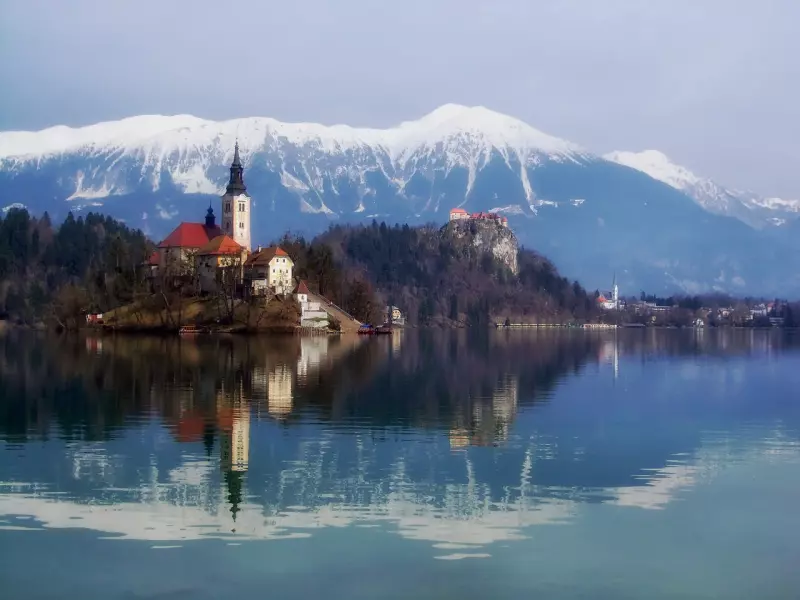 Blejski Otok in Slowenien
Photo: David Mark auf Pixabay
Blejski Otok in Slowenien
Photo: David Mark auf Pixabay
Quick facts: Slovenia
- Slovenia stretches from the Alps through karst and wine regions to the Adriatic coast.
- Ljubljana makes a convenient urban base, with connections to several regions.
- Bled, Bohinj and Triglav National Park are known for lakes, mountains and nature experiences.
- The Karst region is characterized by caves, underground waterways and dry plateaus.
- Piran, Koper and Izola showcase Slovenia’s small but distinctive coastline.
- Mountain weather, tolls, parking, opening hours and seasonal traffic conditions are checked for the latest information.
Ljubljana as a starting point
Ljubljana combines an old town, riverside, markets, museums and a compact city center. For a first visit, the capital deserves its own place on the itinerary rather than being treated merely as an arrival point. A walk along the Ljubljanica, a view of the castle and time for museums or dining can all fit together nicely. If you plan to continue to the Alps or the coast on the same day, allow for the actual travel time and parking situation.
Depending on your interests, Bled, Bohinj or Maribor can each be a focus for a day trip or a longer stay from Ljubljana. A city, a lake and a wine region each call for a different pace. Staying in one place can be convenient for short excursions, while spending the night in two or three locations on a longer round trip can cut down on travel time.
Alps, lakes and hiking
The Julian Alps and Triglav National Park offer mountain views, valleys, lakes and hiking trails. Map distances reveal little about how long or difficult a hike will be. Before setting out, check the elevation gain, changing weather, trail conditions, daylight hours and how you will return to your starting point. At popular lakes, parking, access and peak-season crowds are also important practical considerations.
Bled is well suited to a short visit to take in the scenery and town, while Bohinj and higher mountain areas may call for more time outdoors and on the move. Not every mountain route is suitable for all weather conditions or levels of experience. If you are traveling with children, have limited hiking experience or don’t have a car, take particular care to choose a base with short travel times, reliable connections and a backup plan that works in bad weather.
The Karst, caves and the Slovenian coast
The Karst south of Ljubljana adds caves, rock formations and dry plateaus to the alpine landscape. The UNESCO description of the Škocjan Caves explains the significance of this natural area. Before visiting, check entry times, the temperature inside the caves, route length and how to get there. Following conservation rules and marked trails is especially important in sensitive landscapes.
On the Adriatic coast are Piran, Koper and other smaller towns. Piran is known for its old town, harbor basin and narrow streets, while Koper is more of a city and transport hub. If you plan to swim, check the shoreline and access points: the Slovenian coast does not have wide sandy beaches everywhere. The Karst and coast can be combined, but a packed day with several caves, old towns and swimming breaks can quickly become too much.
Combining regions and neighboring countries
Slovenia can be included as a compact part of a trip through the Balkans or combined with Croatia and Croatia as a whole. Montenegro and Albania lie along the same broader travel route, but they are not short hops to neighboring destinations. For any international route, check cross-border traffic, tolls, vehicle documents and differing road conditions separately.
For a first trip to Slovenia, a three-part itinerary covering Ljubljana, the Alps or lakes, and the Karst or coast is easy to manage. With more time, you can add wine regions and smaller towns. Changing accommodation is most worthwhile when it avoids long return journeys. Train, bus and rental car options differ, so make sure timetables, reservations and parking suit your chosen base.
When to go and practical preparations
Summer is ideal for lakes, the coast and long days, but brings higher demand and more traffic. Spring and fall are often pleasant for cities, wine regions, the Karst and hiking, although mountain weather can still change quickly. In winter, cities, caves and lower-lying regions take center stage, while some mountain trails or passes may be restricted.
The official Slovenian tourism website offers additional guidance for planning ahead. Before setting out on specific excursions, check opening hours, admission, tolls, parking, weather, mountain conditions and protected-area regulations. This will help you decide whether a guided cave tour, a mountain hike, a city visit or a relaxing day on the coast best suits that part of your trip.
Choose the Alps, Karst and coast to suit your trip
Ljubljana combines an old town, riverside and urban culture, and can be a destination in its own right or a starting point. Bled, Bohinj and Triglav National Park call for different day plans from the capital because of weather, parking and mountain trails. The official Slovenian tourism website provides additional up-to-date information.
In the Karst, caves, landscapes and trails each make distinct focuses for a visit. Piran and the coast suit a different day’s itinerary from Maribor and the wine regions. Croatia, Montenegro and the Balkans can extend a wider route, but shouldn’t be crammed into an unrealistically short trip.
Before booking, check the latest information on getting there and getting around, travel preparations, money and payments, staying safe while traveling, nature and landscapes and culture and history. Confirm tolls, parking, opening hours, weather, cave access and mountain trails for your specific travel dates.
Slovenia FAQ
Which regions should I include in a trip to Slovenia?
The Alps, lakes, Karst, wine regions, Ljubljana and the Adriatic coast offer different experiences and can be combined according to the time available.
How many days do you need for Slovenia?
A few days are often enough to visit one region. An itinerary covering the Alps, coast and Karst needs extra time for travel and changing bases.
Can you combine Bled and the coast in one day?
It depends on the season, traffic and what you want to do. A mountain day and a coastal day are usually more enjoyable when planned as separate legs.
What should I check before setting out?
Check the weather, tolls, parking, opening hours, cave and mountain access, accommodation and current traffic conditions before you go.
