
Check customs, medications, and documents before travelling
Customs requirements, medications, and special documentation should be checked together with the itinerary before travelling. The destination country is not the only consideration: transit countries, length of stay, active ingredient, quantity, packaging, and personal needs may also matter. A general packing list is therefore not enough. It can only note which questions still need to be clarified with the relevant authority before departure.
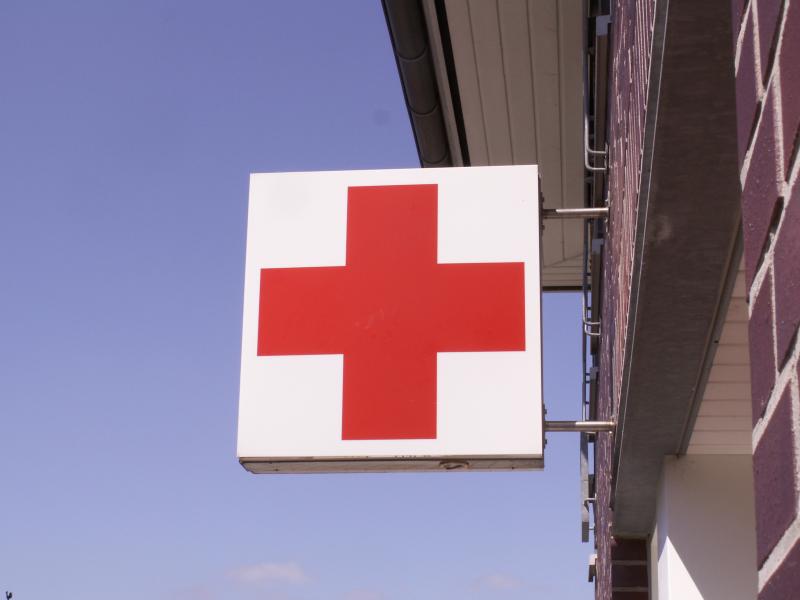 Rotes Kreuz an einer medizinischen Anlaufstelle vor einem Gebäude.
Photo: Voyagemedia - RRinnau
Rotes Kreuz an einer medizinischen Anlaufstelle vor einem Gebäude.
Photo: Voyagemedia - RRinnau
Key facts: customs, medications, and special documentation
- Depending on the active ingredient, quantity, destination, and transit, special certificates may be required for medications.
- Original packaging, the patient information leaflet, and a doctor’s certificate help identify the medication, but do not replace checking the requirements for each country.
- Food, plants, animal products, cash, and goods may be subject to separate customs rules.
- When changing planes, the rules of the transit country may apply in addition to those of the destination country.
- Medication needed on the first day of travel should be kept in an accessible bag, not only in checked luggage.
- Keep supporting documents protected and legible, and together with your personal documents so they can be found easily.
Use the itinerary as the basis for your checks
First, list all the countries and border crossings on your trip. A direct flight is easier to check than a connection involving another check-in or crossing a land border. Even a brief transit stop can matter if you need to leave the airport, collect your luggage, or take another form of transport. Entry requirements and documents can help you match each document to the relevant part of your journey.
Check the latest customs information for your destination and transit countries before departure. For travellers from Germany, the German customs authority’s travel information provides an official starting point for questions about goods, cash, and imports. It does not replace information from foreign authorities. If in doubt, contact the relevant embassy, consulate, customs authority, or medicines regulator.
Prepare medications safely
For each medication you take regularly, note the active ingredient, brand name, strength, quantity, and dosage schedule. This information is more useful than the colour of the packaging alone. Keep the original packaging where possible; the patient information leaflet and a doctor’s certificate can help explain the medication. Do not assume that the rules for ordinary medicines apply to strong painkillers, sedatives, sleeping pills, or other tightly regulated active ingredients.
A doctor’s certificate should clearly explain the quantity you are carrying and your personal need for it. Whether notarisation, a specific form, or additional authorisation is required depends on the country and the active ingredient. Check this with the relevant authority before departure. Staying safe while travelling offers additional preparation advice for illness, loss, and emergency contacts, but does not replace medical or official guidance.
Keep medication needed in the first few hours in accessible hand luggage, as long as transport rules allow. An extra supply may be useful if delays or a late arrival are possible. Discuss temperature, light protection, and refrigeration with your healthcare provider or pharmacy. For a longer trip, also find out how you can obtain further supplies at your destination, without assuming that a particular medication will be available.
Goods, food, and special items
Before packing, distinguish between personal travel necessities, gifts, food, plants, animal products, and goods intended for other people. Quantity and value limits may differ; if you exceed them, you may need to declare or surrender items. Undeclared items can cause delays and further questions. If in doubt, contact the relevant customs office before departure.
Cash and similar means of payment may also be subject to special reporting requirements when crossing borders. Money and payments can help you prepare payment methods and a separate reserve. Your itinerary, the current rules, and the exact amount are what matter when deciding what to do.
Keep supporting documents accessible
Distribute originals, copies, and digital files so that losing any one item does not mean losing all the information. Backing up travel documents digitally explains how to keep documents available offline and protected. A brief paper note listing the active ingredient, dosage, accommodation, and a contact number can also help if your battery runs out. Do not include complete health records in public messages or unprotected files.
The travel checklist and schedule indicate when to carry out these checks. Dividing items between checked and hand luggage helps keep essential supplies within reach. For a transit stop, also consider spares, contacts, and a plan B. More preparation advice is available under Practical information.
Frequently asked questions
Is the original packaging of a medication enough?
It helps identify the medication, but it is not the only documentation required in every country. You must also check the active ingredient, quantity, and current requirements.
Can I carry medication in my suitcase?
Medication for your initial needs should remain accessible. For refrigerated medicines, liquids, or particular active ingredients, the carrier’s and authorities’ rules also apply.
What do I have to declare at customs?
That depends on the item, quantity, value, and route. If in doubt, it is better to ask in advance than to guess at the border.
Do the destination country’s rules also apply in transit?
Not automatically. The transit country, airport, baggage handling, and type of stop may bring additional requirements.
