
Entry and travel documents: check everything before departure
Entry requirements depend on the destination, nationality, purpose of travel and length of stay. Passports, visas, transit and your first arrival should therefore be part of the same travel plan. A well-organized collection of personal documents keeps the information you need for each stage of the journey close at hand.
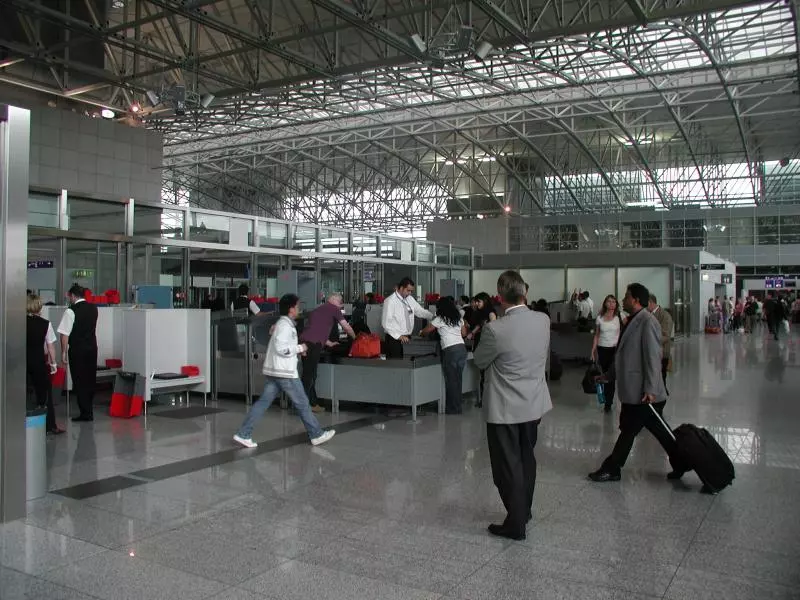 Sicherheitskontrolle mit Reisenden und Gepäck.
Photo: Markus Lenk
Entry and document essentials
- Your passport or identity card must be valid for your specific destination.
- Visas and other required documents depend on your nationality, purpose of travel and length of stay.
- Transit requirements may also apply to a transit country.
- Travel documents, booking details and accommodation information can be kept neatly organized.
Travel documents and your stay
Start with your destination, travel dates and nationality. These determine the relevant requirements for your passport, visa and purpose of stay. A planned transit may have its own conditions. For Russia, passport, visa and transit requirements depend on nationality, purpose of travel and length of stay; any required visa for Russia is part of your entry documents.
Keep your documents organized in a travel folder: travel documents, transport, accommodation, insurance and contacts. An offline copy can supplement your originals and booking details. Save a copyable address for your accommodation along with your arrival time and onward travel details; accommodation near your arrival point can shorten the first leg of your journey.
Arrival and transit route
Your journey runs from your departure point through any connections to your first accommodation. The entry requirements of a transit country are just as much a part of your planning as those of your final destination. If your route goes through Prague, Vilnius or Sofia, include each transit country and its own entry requirements in the same document planning as your final destination.
Review both notices before making any decisions about entry or transit.
Organizing documents and contacts
A compact travel folder can hold travel documents, transport tickets, your accommodation address, insurance details and contacts. Naming files by journey stage makes them easy to find. Keep copies secure and separate from the originals. You can share your length of stay and essential contact details with someone you trust, so important information is available if your plans change.
Health and insurance documents depend on your personal needs and planned trip. Save details of your first accommodation together with your arrival time and onward travel information. Bringing your destination, documents and itinerary together reduces the time spent searching during connections and on arrival.
Frequently asked questions about entry and documents
What do visa and entry requirements depend on?
They depend on your nationality, purpose of travel, length of stay and the requirements of your destination country. Additional transit-country rules may apply when changing planes or trains.
How can you organize documents while traveling?
You can organize transport, accommodation, entry documents, insurance and contacts by stage of the journey. An offline copy supplements the originals.
What departure rule applies to Ukrainian citizens?
According to the German Federal Foreign Office’s travel advice, since the introduction of general mobilization, Ukrainian male citizens aged 23 to 60 have generally been prohibited from leaving Ukraine. This applies whether or not they also hold another nationality.
What should a transit plan include?
Include the transit country, connections, valid documents and onward travel to your destination in the same itinerary.
