
Travel safely with awareness and a plan
Safe travel starts with manageable decisions: know your route, keep important items separate, and stay calm when a situation is unclear. The best precautions are suited to your actual itinerary and leave room for a relaxed trip.
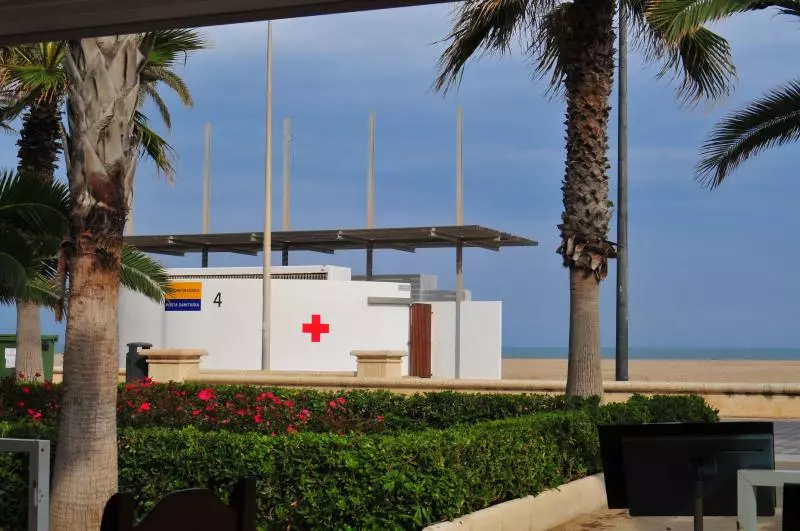 Erste-Hilfe-Station an einem Strand mit Rotem Kreuz.
Photo: Alesia Belaya
At a glance: Travel safely with awareness and a plan
- Keep documents, money, and emergency funds in separate places.
- Save important contacts and addresses offline.
- Choose routes and activities to suit the weather, time of day, and your experience.
- Tell someone you trust about the key stages of your trip.
- In an immediate emergency, follow the local official instructions.
Choose routes suited to the city or the outdoors
For a day in the city, such as Prague, plan the order of your destinations, routes, and breaks in advance. For trips into nature, for example in Neringa, at the Plitvice Lakes, or in the Danube Delta, take the weather, distance, and return route into account together. In protected areas in Belarus, plan your route according to local paths and rules.
Protect valuables and keep contacts accessible
Keep important items separate and carry only what you need within easy reach. A second copy of your documents, a charged battery, and a saved address give you more options. If you need to change location unexpectedly, the accommodation search shows places to stay by region and location. Keep your insurance number, emergency contact, and details of your coverage separate from your other travel documents. This can help your insurer identify the right policy more quickly in the event of an accident or illness.
What to do in an unexpected situation
If you are in immediate danger, move to a safe, busy place and call the local emergency services. Give your location first, then describe what happened and provide a way to call you back. In the European Union, 112 is the emergency number; outside the EU, call the emergency number for the country you are in.
If you lose your passport, secure your other documents, report the theft to the local police, and contact your embassy or consulate about a replacement document. The EU assistance in consular emergencies explains this next step.
Frequently asked questions about safe travel
How can I prepare for unexpected situations?
Save contacts and addresses offline, keep emergency funds separate, and plan an alternative for important routes.
What should I check before a hike or trip into nature?
The route, weather, return journey, your equipment, and current local advisories.
How can I protect my documents and money?
Keep important items separate and have a second copy of essential documents ready.
What should I do if I lose my passport?
EU citizens whose country has no representation outside the EU can contact the embassy or consulate of another EU country. Transit countries may have their own requirements for replacement documents.
