
Planning water sports on lakes, rivers and coasts
Water sports do not require a lot of equipment to get started. Even a short canoe trip, a day at the lake or a windsurfing lesson can make a trip memorable. To make the experience enjoyable, the body of water, wind, current, skill level and return route all need to work together. A beautiful beach alone tells you little about whether a place is suitable for the sport you have in mind.
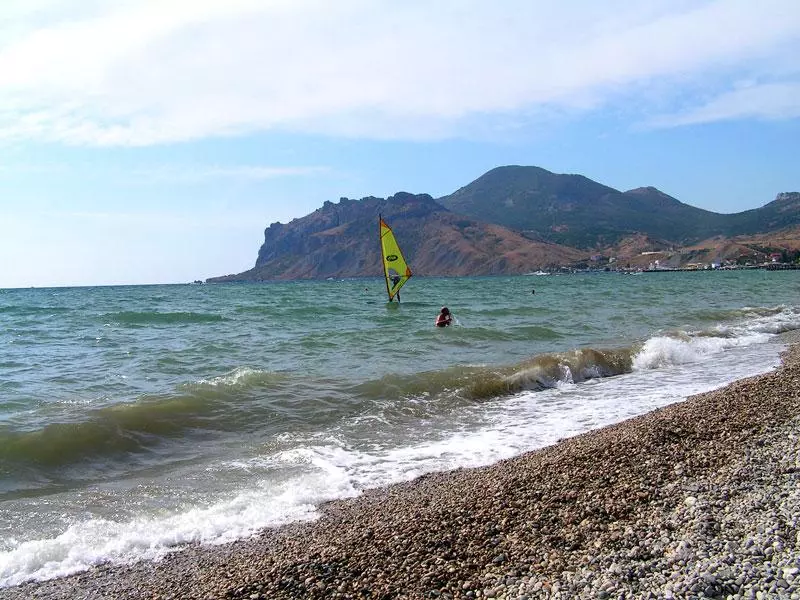 Windsurfer auf dem Meer vor einer bergigen Küste als Bild für Wassersport.
Photo: Ilya
Windsurfer auf dem Meer vor einer bergigen Küste als Bild für Wassersport.
Photo: Ilya
Water sports: quick facts
- Lakes, rivers and coasts differ in wind, currents, waves, temperature and places to get out of the water.
- Beginners should opt for lessons, supervised activities or manageable bodies of water.
- Weather and water conditions can change faster than plans made on land.
- A flotation aid, sun protection, dry clothes and a safe way back are basic preparations.
- Boats, boards and wetsuits can often be rented, but their condition and the instructions provided should still be checked.
- A beach holiday and a water-sports trip are not the same: sports require extra time, technique and safety margins.
Choose the body of water to suit the experience
Calm lakes are often a good place to try paddling for the first time, provided the shoreline, wind and boat traffic are manageable. Depending on the stretch, rivers can have currents, shallow spots and changing places to get out. Coasts bring waves, tides, wind and shipping traffic into the mix. When choosing a sport, first consider whether relaxation, speed, nature watching or physical challenge is the main priority.
Lake Sevan and the Danube Delta represent very different waterscapes. Information about the islands in Croatia and the island of Krk shows how the coast, ferry routes and day planning fit together. Neringa can also be considered a coastal area where nature and leisure activities should be planned together.
Sport, skill and equipment
Paddling is often easier to get started with in calm water than windsurfing or sailing, but it still requires an introduction and knowledge of the body of water. With windsurfing, the wind has a greater influence on whether conditions are suitable that day. Sailing also involves navigation, boat handling and safety rules. For any sport, an honest assessment of your abilities matters more than an overly ambitious plan.
Equipment should suit your body, ability and water temperature. Depending on the sport, a well-fitting personal flotation device, leash or helmet may be necessary. When renting equipment, check the instructions, return time and how to get help. For families and groups, an activity with different levels of difficulty is often a better fit than a one-size-fits-all lesson.
Take weather and safety seriously
Wind direction, thunderstorms, visibility and wave conditions can change a planned outing at short notice. Before setting off, check the local forecast, advice from activity providers and the time you need to be back. On rivers, water levels and currents also matter; along coasts, swimming zones, buoys and boat routes can limit where you can go. If in doubt, delay your start or choose a shorter route.
A fixed meeting point on land, a phone packed in a waterproof case and enough drinking water are simple precautions. After exercising, your body needs time to dry off and warm up. Avoid scheduling a tight transfer immediately afterwards. For other ways to stay active, see the information on leisure and activities; Igalo and Dubrovnik offer two more travel ideas connected with water and the coast.
Combine time on the water with your stay
A good day by the water does not need a packed itinerary. Getting to the shore, preparing your equipment, time spent doing the activity and drying off are all part of the experience. For families, short sessions near a safe stretch of shore may be a better fit than a long trip. On a tour, also consider whether you will need to arrange equipment anew each time or whether staying in one place would be more relaxing.
The surroundings also shape a trip to the water. A port town offers different options from a quiet lake, just as a stretch of river differs from an open coast. Those who do not want to get in the water can go wildlife watching, explore shore paths or take a boat trip. This keeps the stay varied without requiring everyone to do the same sport. More ideas for relaxation and holiday ideas can help you balance activity and downtime.
For children and inexperienced swimmers, access to the water should be especially easy to navigate. The shoreline, water entry, toilets and a nearby shaded spot may matter more when choosing a location than an impressive range of sports activities. To keep the day relaxing, have dry clothes and a simple meal ready before you need them.
FAQ
Which water sport is suitable for beginners?
Calm-water paddling or a supervised lesson can be a good way to start. The body of water, weather and quality of instruction are key.
Do I need my own equipment?
Not necessarily. Equipment can be rented in many places. Check its condition, size, safety features and return arrangements in advance.
Can I combine water sports with a beach holiday?
Yes, as long as you leave enough time for the sport, relaxation and possible changes in the weather. A day of sport does not need to take over your entire stay.
