
Neringa: The Curonian Spit between the Baltic Sea and the Lagoon
Neringa refers to the Lithuanian settlements on the Curonian Spit between the Baltic Sea and the Curonian Lagoon. Dunes, pine forest, beaches, lagoon shores and small settlements lie close together, but protected areas, wind and the ferry crossing call for careful day planning.
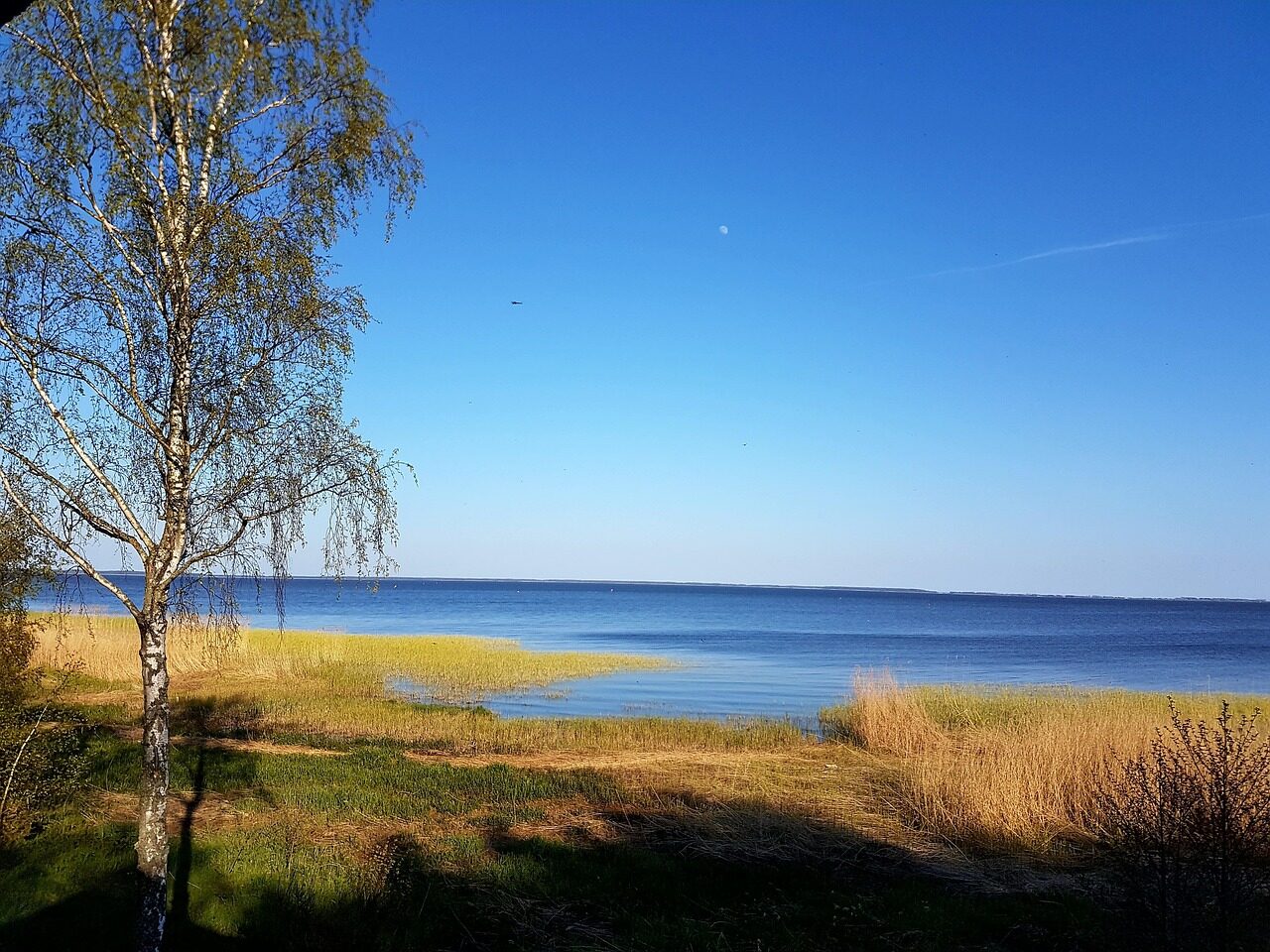 Neringa - kurische Nehrung
Photo: sonatuks from Pixabay
Neringa - kurische Nehrung
Photo: sonatuks from Pixabay
Quick facts: Neringa
- Neringa lies on the Lithuanian part of the Curonian Spit, between the Baltic Sea and the lagoon.
- Nida and Juodkrantė are distinct starting points for exploring the area, beaches and landscape.
- Dunes, forest and beaches call for care on marked paths and in protected areas.
- The journey usually goes via Klaipėda and includes a ferry crossing.
- Wind, weather, season and opening hours affect the day’s schedule more than they do on the mainland.
Nida, Juodkrantė and the settlements of the Spit
Nida is the best-known tourist destination on the Lithuanian side. Its harbor, waterfront promenade, dune landscape and proximity to the Russian border all shape a stay there. If visiting in summer, don’t treat accommodation and the ferry crossing as last-minute details. Juodkrantė feels smaller and quieter; its forest paths, lagoon shore and surroundings lend themselves to a more leisurely day. Other stops are worthwhile mainly if you have enough time for getting around and taking breaks.
The settlements are not interchangeable stretches of beach. On the Baltic Sea side, wind, waves and broad sandy shores define the experience; the water and shore along the lagoon are generally more sheltered. Nida is a better fit for travelers looking for a popular base with a range of options. Juodkrantė may suit those who prefer short walks, nature and fewer crowds. It’s easier to decide where to go if you settle on your preferred mix of swimming, cycling, scenery and quiet evenings before booking.
Dunes, forest and the Baltic Sea
The dunes of the Curonian Spit are fragile landscapes, not open-access terrain. Marked paths, boardwalks and viewpoints protect the vegetation and dunes. Conditions can change quickly, especially in windy weather, so signs on site matter more than older travel accounts. For a day at the beach, pack sun protection, water and a windproof layer, as coastal weather can feel very different from the conditions in town.
Cycling and walking trails wind through pine forest, sandy terrain and settlements. Bicycles are practical for many visitors, but not every route suits every bike or fitness level. Families should check the distances between stops and where they can take breaks. If you prefer shorter rides, choose individual settlements as your base and spread the longer scenic stretches over several days. That leaves time for the beach, the lagoon and weather-related changes to your plans.
Getting there via Klaipėda and when to visit
The usual route on the Lithuanian side starts in Klaipėda. From there, take the ferry to the Spit. During peak season in particular, check timetables, vehicle rules, waiting times and the return crossing in advance. If you’re traveling without a car, plan accommodation, bus connections and luggage differently than you would if taking your own or a rental car across. Lithuania can be combined with Vilnius, Kaunas or the Baltic states, but the Spit is not a practical quick stop between just any cities.
Many travelers choose summer for beach days and long hours of daylight. Ferries, accommodation, parking and trails are busier then. Spring and fall can be more pleasant for cycling and hiking, but evenings are cooler and there are fewer services. Neringa is especially quiet in winter, when limited opening hours and short days need to be factored into your plans. The best time to visit therefore depends more on what you want to do than on any general ranking.
Combining Neringa with other destinations
You could start your itinerary in Klaipėda and then use Nida or Juodkrantė as a fixed base. If you have more time, combine the coastal scenery with Estonia, Latvia, Riga or the Lithuanian capital. An overview of Lithuania is also useful for getting your bearings. Always check distances and border or transport conditions for your specific trip; a beautiful map is no substitute for a realistic day plan.
For a stay in Nida, the Nida guide is useful; the dedicated page offers more details about Juodkrantė. Both settlements are part of the Curonian Spit, but each has a different focus.
Frequently asked questions about Neringa
Which settlement is best for a first visit?
Nida offers the widest choice of walks, waterfront paths and places to visit. Juodkrantė is a better fit if you’re looking for a smaller base and a slower pace.
How do you get to the Curonian Spit?
The Lithuanian side is usually reached via Klaipėda and a ferry. Check departures, vehicle transport and seasonal demand directly before your trip.
Is the Spit suitable for a day trip?
It’s possible, but seeing the dunes, a settlement and a beach and catching the return ferry can make for a very full day. An overnight stay gives you much more flexibility for the weather and getting around.
Neringa is especially appealing to travelers who want to experience the Baltic Sea, the lagoon and dunes within a compact landscape. If you do more than just tick off the settlements and plan for the ferry, protected areas and a relaxed pace, you can explore the Curonian Spit in all its variety without unnecessary time pressure.
The UNESCO description of the Curonian Spit provides background on the landscape and its protected status; check current ferry and access information directly.
