
Plan the right winter sports trip in Eastern Europe and Central Asia
Winter sports trips can take many different forms: a short day of skiing, a week at a ski resort, cross-country skiing through peaceful scenery, or a trip where snow is only one part of the experience. To choose the right option, it takes more than just altitude and piste mileage. Your ability, the variety you want, the journey there, and a plan for bad-weather days all matter.
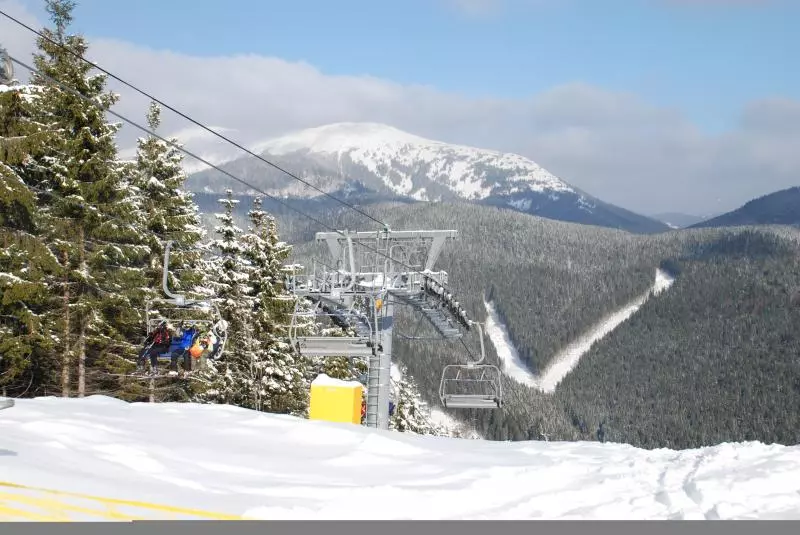 Zwei Skifahrer auf einem Sessellift vor verschneiten Bergen als Bild für Wintersport.
Photo: Olga Buko
Zwei Skifahrer auf einem Sessellift vor verschneiten Bergen als Bild für Wintersport.
Photo: Olga Buko
Quick facts: Winter sports
- Skiing, snowboarding, cross-country skiing, and winter hiking call for different terrain and equipment.
- Reliable snow cannot be guaranteed across the board; check the altitude, weather, and seasonal conditions for your destination.
- Beginners benefit from manageable slopes, short distances, and flexible breaks.
- For families, accommodation, ski school, meals, and safe routes back are just as important as the slopes.
- Avalanche, weather, and traffic conditions should be part of the preparations before every day of outdoor activity.
- A rest day often makes a winter trip more enjoyable and leaves time to explore local sights, visit thermal baths, or sample regional cuisine.
Choose the right winter sport
Alpine skiing and snowboarding suit travelers who want to focus on downhill runs and lifts. Cross-country skiing calls for different conditions and may be possible even where there is no large downhill ski area. Winter hiking, sledding, or a cable-car ride offer alternatives for groups with different interests. If you are a first-timer, look beyond the biggest-name destination and choose terrain that suits your progress as a learner.
For a specific point of reference, consider Zakopane and the information on skiing in Poland. For different terrain and travel conditions, the pages on ski holidays in the Czech Republic, ski holidays in Slovakia, and ski holidays in Bulgaria offer a range of starting points.
Assess travel dates, snow, and weather realistically
Your travel dates should suit your chosen sport. Conditions may arrive earlier and last longer at higher altitudes, while lower-lying destinations are more affected by individual weather patterns. For the specific week you plan to visit, check snow conditions, open facilities, temperatures, road conditions, and the forecast. Past experience can be a useful guide, but it is no guarantee of what you will find on your next trip.
Even a sunny day can be windy or very cold on the mountain. Warm layers, dry gloves, sun protection, and somewhere to warm up should therefore be part of every plan. If visibility is poor or conditions are unsafe, a shorter outing is a better choice than trying to force a full day of skiing.
Plan accommodation and travel together
Staying right by the slopes saves time getting around, but it is not essential for every traveler. A town with bus links, shops, and pleasant options for the evening can make the week more relaxing. If you are driving, consider winter tires, snow chains, parking, and your return journey in case the weather changes. For train or bus travel, plan the final leg to your destination and how to transport your equipment well in advance.
Mountain destinations also have a different rhythm to cities. The landscape around Durmitor is a classic winter mountain setting, while the Apuseni Mountains offer a different natural landscape and travel experience. If you want to combine sport with scenery or culture, you could also consider Istria as a change of pace.
Make room for different preferences
Not everyone in a group needs to do the same thing every day. One person can take a lesson while others choose an easy outing or a stroll around town. Agreeing on meeting points and realistic times keeps differences in ability from defining the holiday. For planning the wider trip, the other activities and types of travel and broader holiday ideas can also help.
Enjoy winter days away from the slopes
You do not have to spend every day on the slopes to enjoy a winter resort. A walk around town, a regional meal, a museum visit, or an afternoon at a thermal bath can all be worthwhile alternatives. This is especially helpful when children, beginners, and experienced skiers are traveling together. A short sled ride or a guided winter hike may also be more enjoyable than a long day in poor weather.
For trip planning, a simple schedule can help: one or two set days for sports, one flexible day, and at least one period with no performance goals. That leaves room to assess conditions on the ground. If you would like to explore another region or focus on something different, you can also include other relaxation options and nature experiences. Be sure to check current opening hours, routes, and available activities directly before each visit.
FAQ
Is winter sports travel suitable for beginners?
Yes, as long as the terrain, lessons, equipment, and length of the day suit your current ability. Short sessions and breaks make it easier to get started.
How important is snow reliability?
It matters, but it is not the only consideration. Altitude, season, alternatives, and current conditions should all be assessed together.
What equipment should I bring?
Along with your sports equipment, bring warm clothing, a helmet, sun protection, gloves, and a safe way to transport your gear. Depending on the destination, you may be able to rent anything you are missing.
