
Nature holidays: experience landscapes with time and respect
Vast lakes, forests, coastlines and mountains reveal their charm not by squeezing in as many stops as possible in a day. A nature holiday is more relaxing when trails, weather and breaks are all given equal importance. Travelling slowly lets you take in the light, sounds and changing landscape instead of simply ticking off viewpoints.
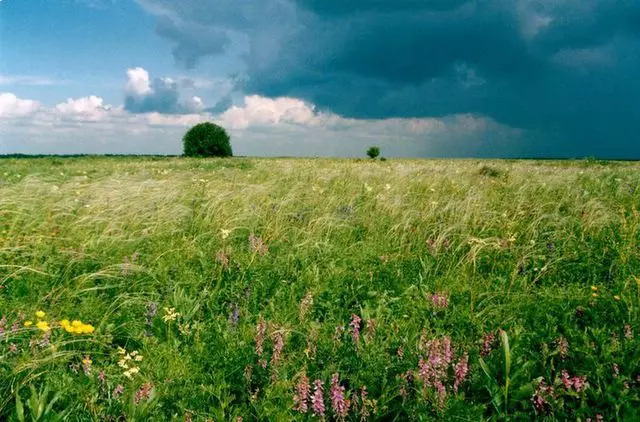 Weite blühende Steppe unter dramatischem Himmel.
Photo: Alexander Dobrolubov
Weite blühende Steppe unter dramatischem Himmel.
Photo: Alexander Dobrolubov
At a glance: Nature & landscapes
- For enjoying nature, short distances and buffer days are often more valuable than a long itinerary.
- Protected areas call for respect for marked trails and quiet zones.
- Coasts, lakes and mountains can experience very different weather conditions on the same day.
- You’ll see more when you take your time, keep your distance and make little noise.
- The right place to stay doesn’t necessarily have to be inside a protected area; good transport links may be more practical.
- Lightweight gear and water are often all you need, rather than an ambitious itinerary.
Lakes, rivers and wetlands
Waterside landscapes invite you to plan your days at a more relaxed pace. The Danube Delta is a good example of a destination where observation and consideration matter more than speed. The Lake Sevan also combines vast expanses of water with a very different elevation. If you visit places like these, plan for changing weather and longer walks as a normal part of the trip.
Mountains and wide-open landscapes
In mountain regions, fitness, visibility and the season shape the rhythm of the day. Durmitor and the Apuseni Mountains offer different kinds of mountain scenery. Instead of scheduling several long hikes back to back, leave a day free for a short walk, a change of location or bad weather.
Visiting islands and protected areas responsibly
On islands, it quickly becomes clear how closely nature, trails and limited resources are connected. The Brijuni Islands and the Plitvice Lakes make rewarding destinations for visitors who respect the rules and stay on the trails. For forests, peat bogs and lakes, nature reserves in Belarus offer another point of reference.
Expansive protected landscapes, without grand promises
A nature reserve is not an amusement park. If you’re interested in the Baikal-Lena Nature Reserve, don’t plan your trip around promises of wildlife sightings or current access. It’s more sensible to keep your expectations open and make the landscape itself the focus.
Notice more by planning less
A viewpoint, a path along the shore and a quiet break can fill a whole day. Good nature trips leave room for detours and can be combined with another kind of holiday if it genuinely suits you. Find more inspiration in holiday ideas, including options for relaxation or activities.
When travelling to a natural area, keeping things simple is often an advantage. Accommodation with an easy-to-manage journey to the starting point saves you from making new transfers every day and leaves time to enjoy changing light or take an extra walk. A rainy day needn’t be wasted: a short stroll by the lake, a quiet view of the landscape or a break in a nearby town can all be part of the experience. Nature trips are more rewarding when every day doesn’t have to involve a major achievement.
Experience nature with all your senses
A nature holiday is about more than grand panoramas. The sound of a river, the transition between forest and open land, or a plant by the path can shape a stay just as much. If you take photos, make time for them and avoid disturbing other visitors by walking far beyond permitted trails. The light and atmosphere often change noticeably early in the morning and towards evening. So rather than setting aside only the middle of the day for outdoor activities, plan for quieter times at the start and end of the day, too.
A simple note about your routes, the weather and what you observed can make the trip easier to recall later without turning it into a project. This is especially true on longer stays, when you can build a clearer sense of how differently the same landscape can look. The best memory doesn’t have to be an extraordinary event; often, a quiet moment by the water or an unexpected view stays with you longer.
FAQ
When is the best time for a nature holiday?
The right time depends on the landscape, the weather and the activities you have in mind. Flexible plans are usually more helpful than sticking to a fixed rule about the season.
Do I need special equipment?
For easy trails, weatherproof clothing, water and suitable footwear are often enough. More demanding hikes require careful preparation of their own.
How should I behave in protected areas?
Staying on the trails, following the guidelines and not disturbing wildlife protects nature and allows other travellers to observe it, too.
Can I combine a nature holiday with a city break?
Yes, as long as you allow realistic travel times. One or two quiet days outside the city are often enough to make a noticeable change of pace.
