
Istria: Coast, Hilltop Towns and Holidays in Northern Croatia
Istria lies in northern Croatia and brings together the Adriatic coast, historic port towns, swimming coves, wine country and hilltop villages inland. The peninsula works well both as a base for a stay in one place and for a short road trip. The key is choosing the right base: although the coast, towns, beaches and hinterland are relatively close together, getting around in peak season often takes longer than the map suggests.
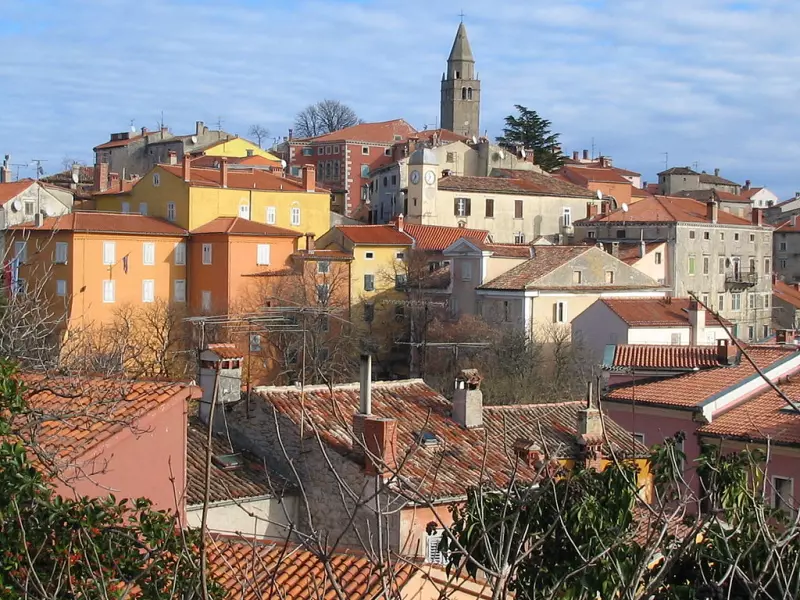 Altstadt von Labin, Istrien
Photo: A. Rehazek / gemeinfrei
Istria at a glance
- Istria is a peninsula on Croatia’s northern Adriatic coast, with coastal towns and a hilly interior.
- Pula, Rovinj and Poreč each offer a different focus, from Roman history to old-town charm and harbor life.
- Swimming coves and holiday resorts are not always close to historic town centers.
- Motovun, Grožnjan and other hilltop towns require extra planning for roads, parking and walking routes.
- The Kvarner Gulf, Dalmatia and the islands are regional add-ons, but they are not casual short trips.
The coast, seaside resorts and choosing a base
Istria’s west coast is defined by port towns, coves and a variety of shorelines. Porec combines an old town, waterfront walks and tourist facilities. Rovinj stands out for its old town on a peninsula and views over the sea. Umag and Novigrad add more port and seaside resorts to the northern coast. If swimming is your main priority, compare not just the town name but also beach access, shade, parking and the distance from your accommodation.
Many parts of the coast have pebble beaches, rocks or stone slabs. Water shoes and accommodation within a short walk of the water can make daily life easier. Families should also consider the water entry, shade and places to take a break. Buses run between Pula and Rovinj bus stations, with departures varying by travel date. Pula’s bus station is on Trg 1. istarske brigade, while the station in Rovinj is on Trg na lokvi. If you are driving, parking, access and seasonal traffic are important factors when staying near an old town.
Pula and the historic coastal towns
Pula is a good choice for travelers who want to combine urban history, the harbor and culture with days at the beach. Its ancient and later historic areas are reason enough not to squeeze your visit into the midday gap between two beaches. The old-town streets and historic buildings are often more pleasant early in the day; in the evening, head to the waterfront, squares and restaurants.
Compared with Dalmatia and the southern island regions of Croatia, Istria is distinguished by its proximity to Central Europe, its hilly landscape and the blend of different historical influences. These differences can help you decide whether Istria suits the kind of holiday you have in mind.
The hinterland and hilltop towns
Inland, you’ll find smaller towns, vineyards and farmland, as well as roads with views across the peninsula. Motovun is a popular destination for a trip into the hills. Groznjan and Hum offer another glimpse of Istria’s interior. These places are about more than a viewpoint: their appeal lies in the combination of narrow streets, scenery, regional food and a slower pace of travel.
A well-planned outing combines one or two towns with a manageable drive. From a coastal base, for example, Medulin or the Brijuni Islands can offer a different experience. If you also plan to swim, take a long hike and visit several old towns, it’s easy to underestimate the time needed to find parking and make the return trip. In summer, an early start helps; in spring and autumn, walks are often easier to combine with relaxed breaks.
When to go, traffic and practical planning
July and August are ideal for a classic beach holiday, but they also bring the highest demand, hotter weather and heavier traffic. May, June, September and early October are often better for road trips, old towns and exploring inland. To visit Brijuni National Park, take the boat from the main pier in Fažana to Veliki Brijun; the crossing takes about 15 minutes. Tickets are valid for a specific departure time.
Staying on the west coast puts port towns and swimming coves within easy reach; Pula makes a convenient southern base for city visits and Brijuni. Places to stay in Pula can serve as a base for exploring the southern peninsula. Two or three bases can reduce the need to change accommodation every day.
Choosing a base for the coast, towns and hinterland
Istria works well both for a beach holiday based in one place and for a short road trip. Rovinj combines a historic peninsula with a harbor and coastline, while Pula is more defined by its Roman heritage and larger urban layout. Poreč adds an old town and basilica to the west coast; routes, parking and seasonal traffic should be considered separately for each base.
The hinterland, with its hilltop towns, vineyards and scenic routes, calls for a different day plan than a beach day. Lovran is already in the Kvarner Gulf, while Medulin lies at the southern tip of the peninsula. Dalmatia, Brač and Split are separate, farther-south stops and should not be planned as short excursions.
Buses connect the larger coastal towns; for getting there and getting around between Pula, Rovinj and Poreč, the respective bus stations are key arrival points. Tickets, your accommodation address and documents are all part of your personal travel preparations. When visiting markets and going on excursions, money and payments and access to nature and landscapes are other practical aspects to consider when planning your route.
Frequently asked questions about Istria
Which towns make good bases?
Rovinj combines its old town on a peninsula with a harbor and sea views. Poreč offers an old town and basilica, while Pula has Roman history and a larger city harbor. For a beach holiday, the distance between your accommodation and the beach also matters.
Is Istria suitable for a beach holiday?
Yes. Istria has seaside resorts with pebble, rocky and stone beaches. Water shoes make it easier to get into the water along rocky stretches of coast; shade and a short walk to the water help make for a more relaxing beach day.
Can you combine the coast and hilltop towns in one day?
Yes, you can combine a coastal town and a hilltop town in a day trip. Setting off early leaves more time to explore old-town streets, enjoy viewpoints and take a break inland.
How do you get to Brijuni National Park?
Boats to Veliki Brijun leave from the main pier in the center of Fažana. The crossing takes about 15 minutes; tickets are issued for a specific departure time and can be purchased online or at the ticket office next to the pier. The Brijuni National Park also offers online ticket purchases for the boat crossing.
