
Wine Trip to Crimea
A wine trip to Crimea can be considered as a travel idea when the route, season, transport and current conditions are all taken into account. Not every historical description corresponds to an offer available today. For this reason, check specific locations, access, opening hours and safety information again before making a decision.
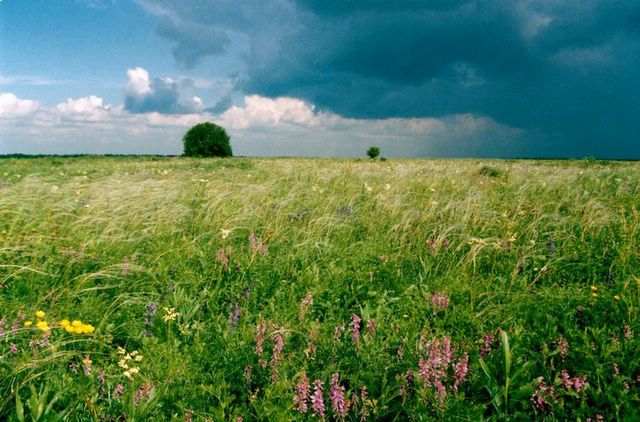 Weite blühende Graslandschaft unter bewegtem Himmel im Wolga-Raum.
Photo: Alexander Dobrolubov
Weite blühende Graslandschaft unter bewegtem Himmel im Wolga-Raum.
Photo: Alexander Dobrolubov
Quick facts: Wine trips to Crimea
- The experience can vary greatly depending on the region, season and personal travel goals.
- Plan a specific route around realistic travel times and sufficient breaks.
- Current information on operations, entry requirements and safety matters more than old accounts from past visits.
- Local rules, permission to take photographs and consideration for residents and staff are all part of preparing.
- Planning alternatives helps you stay flexible if the weather, traffic or available offers change.
Crimean wines are one of the major attractions for Western tourists visiting Crimea. Wine tours—that is, guided visits to the peninsula’s different wineries—are therefore popular not only with Ukrainian residents but also with Western tourists. The Crimean Peninsula is renowned for the quality of its wines. Thanks to its ideal climate for viticulture, many years of selective vine breeding and centuries-old winemaking traditions, Crimea is considered one of the main wine-growing regions in Eastern Europe.
Dessert wines predominate in Crimea. Port, sherry, muscatel and muscat wines are very popular. At the major auction house Sotheby’s, a bottle of Massandra “Sherry” from 1975 was sold for $50,000.
Viticulture is an integral part of almost every agricultural operation in Crimea. Alongside the large wineries, there are numerous small producers. During the season, many street vendors sell wine at city markets and on beaches. Unfortunately, these are often cheap counterfeits of famous wine brands. A wine expert can help with tastings and selecting wines. Usually, they are local residents who know Crimean winemaking well and are willing to share their knowledge with visitors to the peninsula.
Information about the services of wine experts is available from the major tourist businesses in Crimea. Each of the large wineries has its own specialty. The biggest and best-known are “Massandra” in Yalta (premium dessert wines), “Koktebel” (dessert wine and cognac), “Inkerman” in Sevastopol (dry wine), “Solnechnaya Dolina”—“Sunny Valley” in German (premium dessert wines), and the sparkling-wine producer “Novy Svet”—“New World” in German—near Sudak.
The Magarach Institute of Wine is also worth mentioning. It was founded by decree of Russian Tsar Nicholas I. Famous grape varieties were developed here, and used to produce Madeira, sherry and muscat wine.
Approaching wine trips to Crimea with caution
Wine trips to Crimea are a longstanding travel theme in the region, as places such as Yalta and Massandra, as well as the coastal landscapes, have long been associated with winegrowing and winery visits. Today, such information should be read with particular care and always checked against current safety and entry guidance.
For context, it remains important to distinguish between the region’s historical wine traditions, its landscapes and trips that are actually possible. Official advisories, information from providers and the political situation are essential when making concrete plans.
Practical preparation
For geographic context, wine trips are a good starting point. A travel checklist, current information on getting there and local transport, and maps saved for offline use can all help with preparation. Double-check documents, addresses and booking details before setting off. If you are connecting several stops, do not leave the return journey until the last possible service. For a wine trip to Crimea, compare accommodation options with the main journeys for each day and allow for realistic breaks.
Wine trips and history and memorial sites and cities and architecture and rivers, waterfalls and gorges can help with preparation when routes, timing and current conditions are considered together.
Lakes and wetlands and peaceful nature getaways and travel checklist and itinerary and more holiday ideas can help with preparation when routes, timing and current conditions are considered together.
The best travel decision is based on a suitable pace and information that can be verified. Compare the reason for your trip with its duration, budget, routes and the type of stay you want. If part of the plan remains uncertain, a shorter leg or a different kind of trip may be the more reliable option. For a wine trip to Crimea, the reason for travelling matters, but so do road conditions, weather, daylight and a safe return.
FAQ
How can this theme be incorporated into an itinerary?
Fit it into a realistic day trip or multi-day section, and allow for travel time, breaks and an alternative.
Which details need to be up to date?
Check access, opening hours, transport, costs, and any safety or entry requirements immediately before travelling.
What should I keep in mind when using older information?
Older texts can explain the history and geographic context; current decisions require additional sources.
